Price on request
Get best price
Farm Machinery
332 products
- Price on requestGet best price
- Price on requestGet best price
- Price on requestGet best price
- Price on requestGet best price
- Price on requestGet best price
- Price on requestGet best price
- Price on requestGet best price
- Price on requestGet best price
- Price on requestGet best price
- Sprayer
Agricultural Drone - 30000 mh Battery
Croplinks Agritech India Pvt Ltd · Hyderabad, Telangana
Price on requestGet best price - Price on requestGet best price
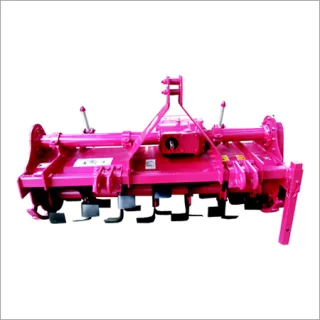
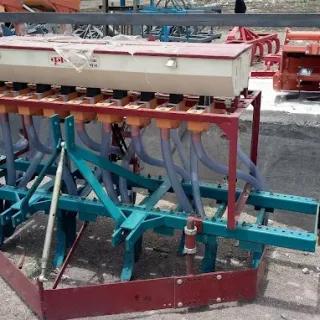
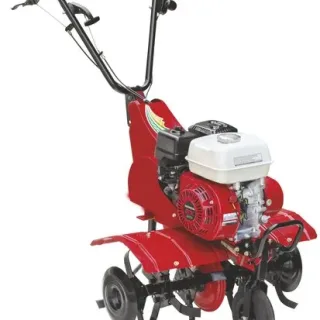
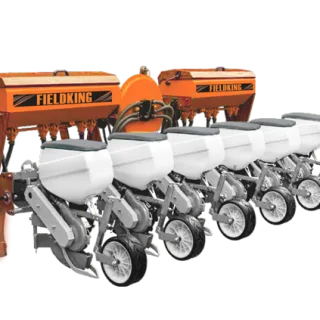
Farm machinery refers to the full range of mechanical and motorised equipment used in agricultural production — from soil preparation and crop cultivation through to harvesting, processing, and on-farm transport. At its core, farm mechanization replaces or augments manual labour with powered equipment capable of completing field tasks faster, more consistently, and at greater scale than human or animal power alone. The main categories of farm machinery include: tillage and cultivation equipment (tractors, cultivators, ploughs), planting and seeding machinery, crop harvesting equipment (harvesters, threshers, multi-harvesters), material handling and transport (tractor trolleys, water tankers), and post-harvest processing equipment. Each category serves a distinct function in the cropping cycle, and the combination of machinery a farm requires depends on the crops grown, the scale of operation, and the terrain and soil conditions of the farm.
Frequently asked questions
What is farm machinery?
Farm machinery refers to the full range of mechanical and motorised equipment used across the agricultural production cycle — from land preparation and planting through to harvesting, threshing, and on-farm transport. It includes tractors, cultivators, harvesters, threshers, ploughs, seeders, tractor trolleys, and water tankers, among many other specialised tools. Farm machinery replaces or augments manual and animal labour, enabling farmers to complete field operations faster, more consistently, and at greater scale. The specific machines a farm needs depend on the crops grown, farm size, terrain, and available budget.
What are the main types of farm machinery?
Farm machinery is broadly categorised by function. Tillage and cultivation machinery — including tractors and cultivators — is used to prepare soil for planting. Planting and seeding equipment ensures accurate seed placement and spacing. Harvesting machinery such as combine harvesters, multi-harvesters, and threshers separates grain and produce from the plant efficiently at scale. Material handling equipment including tractor trolleys and water tankers supports on-farm logistics and irrigation. Specialty equipment such as sprayers and post-harvest processing machines complete the full production cycle. Most farms require a combination of these categories matched to their specific crop and operational needs.
Does farm machinery increase agricultural productivity?
Farm machinery significantly increases agricultural productivity by reducing the time and labour needed to complete field operations, improving timeliness of planting and harvesting, and delivering greater operational consistency than manual methods. Timely mechanised harvesting alone can reduce crop losses by 10–30% compared to delayed manual harvesting, particularly for cereals and perishable crops. Precision cultivation and seeding equipment improves plant stands and reduces input waste, contributing to higher yields per hectare. For commercial farms, mechanisation is one of the highest-return investments available, provided the machinery is properly matched to the farm's scale and crop type.
What size tractor do I need for my farm?
Tractor size is measured in horsepower (HP) or kilowatts (kW), and the right size depends on your farm's acreage, primary tasks, and implements used. As a general guide, small farms under 20 hectares typically use tractors in the 25–50 HP range for light cultivation and transport. Mid-sized farms of 20–100 hectares typically require 50–100 HP tractors suitable for general tillage and planting. Large commercial farms above 100 hectares generally need tractors rated 100 HP and above for heavy tillage, large implements, and high-capacity field operations. Always match tractor power to the heaviest implement you plan to use, and consult your supplier for site-specific recommendations.
What is the difference between a harvester and a thresher?
A harvester — typically a combine harvester — is a self-propelled machine that cuts standing crops in the field and simultaneously separates grain from straw in a single pass. It is used for large-scale cereal, pulse, and oilseed crops. A thresher is a stationary or semi-mobile machine that separates grain from harvested crop material after the crop has already been cut and brought to the machine. Threshers are widely used where crops are hand-cut or where a combine harvester is not economically viable. Both have a place on different farm scales and in different cropping systems — the right choice depends on farm size, crop type, and labour availability.
Should I buy new or used farm machinery?
New farm machinery offers the latest technology, full manufacturer warranty, and lower short-term maintenance costs, making it the preferred option when budget allows and when the machinery will see intensive use. Used equipment can represent strong value for farmers with lower utilisation requirements, tighter capital budgets, or for machinery types where the technology changes slowly (such as basic tillage implements or trailers). When evaluating used equipment, prioritise machines with documented service history, low hours of use relative to age, and availability of spare parts. Always inspect used machinery in person or request a certified inspection report before committing to a purchase, and verify that the supplier is a verified, reputable dealer.
What is a cultivator used for in farming?
A cultivator is a tillage implement used to prepare soil for planting, control weeds between crop rows, and incorporate fertilisers or crop residues into the soil profile. It works by mechanically disturbing the upper soil layer using tines, blades, or discs attached to a tractor or as a self-propelled unit. Pre-plant cultivation creates a friable seedbed with good tilth for germination, while inter-row cultivation after crop emergence controls weeds without herbicide. Cultivators range from lightweight rotary tillers suitable for vegetable gardens and small plots to heavy-duty chisel ploughs and disc harrows designed for deep tillage on large commercial farms