
Price on request
Get best price
Backhoe Loader
3 products
- Price on requestGet best price
- Price on requestGet best price
Frequently asked questions
What is a backhoe loader used for?
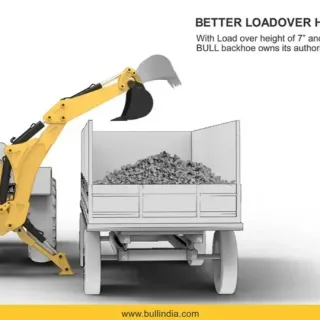
A backhoe loader is used for digging, trenching, loading, lifting, backfilling, land leveling, and material handling. In agriculture, it supports farm road work, irrigation channels, drainage lines, pond work, compost pits, fencing foundations, and general land development. The front loader handles soil and materials, while the rear digging arm performs excavation work. Buyers should choose a machine based on digging depth, loader capacity, and field requirement.
How does a backhoe loader work?
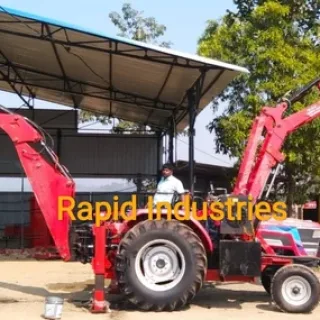
A backhoe loader works by combining two main working systems on one machine. The front loader bucket lifts, carries, pushes, and loads loose materials such as soil, gravel, manure, compost, or sand. The rear backhoe arm digs trenches, pits, drainage channels, and foundations using hydraulic movement. This combination makes the machine useful for both farm earthmoving and rural construction tasks.
Why are backhoe loaders useful for farms?
Backhoe loaders are useful for farms because they handle many heavy tasks that are difficult to complete manually. They help with trenching, drainage improvement, pond cleaning, road repair, manure handling, soil movement, and farm infrastructure development. A single machine can support both digging and loading work, reducing dependence on multiple machines. This improves work speed, labour efficiency, and seasonal farm maintenance planning.
What should buyers check before purchasing a backhoe loader?
Buyers should check engine power, digging depth, loader capacity, hydraulic performance, fuel use, attachment compatibility, operator comfort, service access, spare part availability, and supplier support before purchasing a backhoe loader. They should also match the machine with soil type, worksite space, transport needs, and expected daily workload. A properly selected machine reduces downtime and improves long-term performance.
Can a backhoe loader be used for irrigation and drainage work?
A backhoe loader is very useful for irrigation and drainage work because it can dig channels, trenches, pits, and water flow pathways. It can also backfill trenches after pipe placement or drainage installation. Farms with waterlogging, uneven land, or irrigation development needs can benefit from this machine. Proper bucket selection and operator skill help achieve cleaner trenches and better field water management.
What is the difference between a backhoe loader and an excavator?
A backhoe loader combines a front loader bucket and a rear digging arm, while an excavator is mainly designed for digging and excavation work. Backhoe loaders are more versatile for farms because they can dig, load, push, and carry materials in one machine. Excavators are better for deeper or heavier excavation tasks. The right choice depends on workload, digging depth, space, and material handling needs.
Is a backhoe loader suitable for small farms?
A backhoe loader can be suitable for small farms when the farm has regular digging, loading, drainage, road, or infrastructure work. Small farms may also use hired backhoe loader services instead of owning a machine directly. The decision depends on work frequency, budget, land development needs, available operators, and maintenance capacity. Buyers should compare ownership cost with contractor service availability before purchase.