
Price on request
Get best price
Tanks
16 products
- Price on requestGet best price
- Price on requestGet best price
- Price on requestGet best price
- Tanks
Superior Manufacturing Company
Superior manufacturing company सुपिरियर ट्रॉली · Akola, Maharashtra
Price on requestGet best price - Price on requestGet best price
- Price on requestGet best price
- Price on requestGet best price
- Price on requestGet best price
- Price on requestGet best price
- Price on requestGet best price
- Price on requestGet best price
- Price on requestGet best price
- Price on requestGet best price
- Price on requestGet best price
- Price on requestGet best price
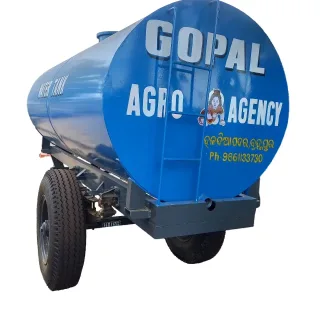
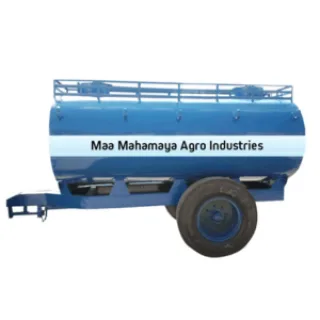
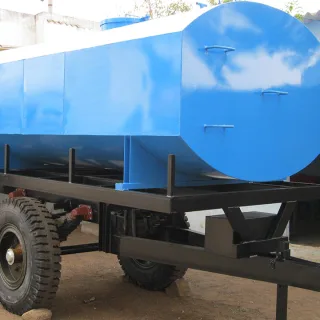

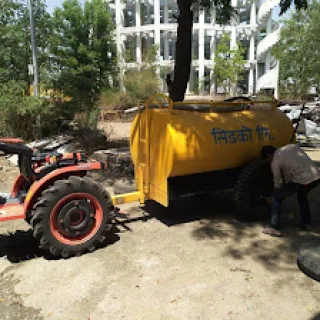

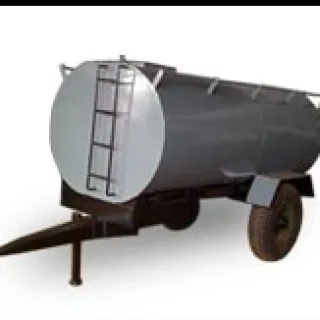
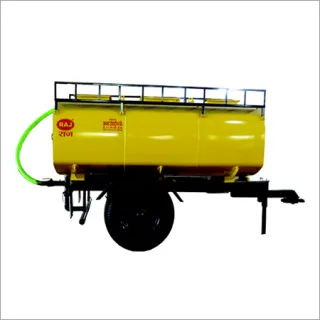
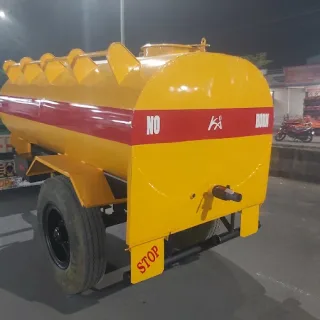
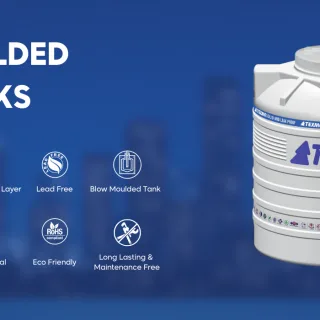
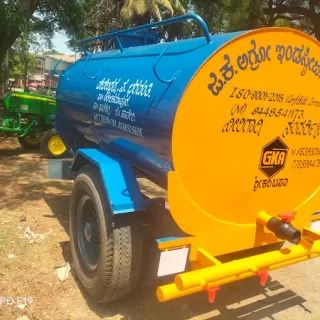
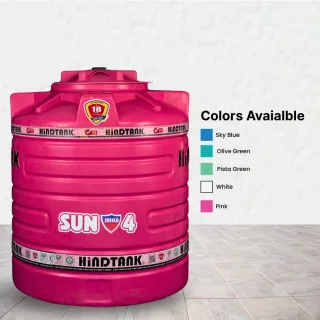
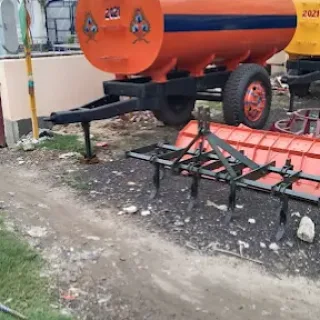
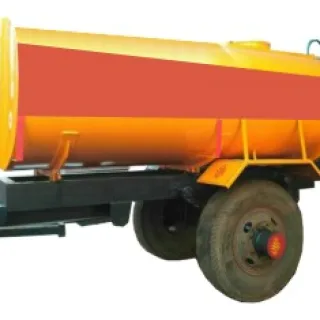
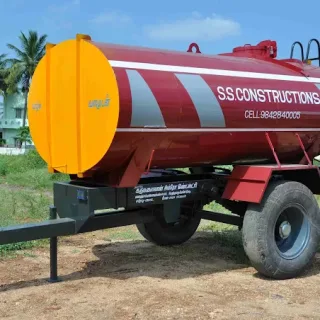
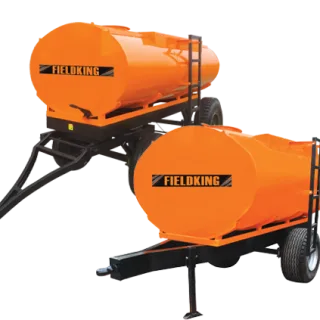
Tanks are essential farm infrastructure products used for storing water, irrigation supply, liquid fertilizers, spray solutions, livestock water, rainwater, and other agricultural liquids. A reliable tank system helps farmers manage water availability, improve irrigation planning, store liquids safely, and support daily farm operations. In agriculture, storage capacity directly affects crop care, livestock management, input handling, and overall farm efficiency.
This category helps farmers, growers, nursery operators, greenhouse managers, livestock units, irrigation contractors, dealers, and agricultural buyers explore tanks suitable for different farm requirements. Tanks are used across field crops, orchards, vegetable farms, plantations, nurseries, protected cultivation systems, and rural water management setups.Farm tanks support practical needs such as water reserve during dry periods, irrigation scheduling, rainwater collection, liquid input preparation, and on-site storage. Buyers can compare tank-related options based on capacity, material, application, installation method, storage purpose, and supplier availability. This category is suitable for farms worldwide and focuses on agricultural storage and water management needs.
Frequently asked questions
1. What are agricultural tanks?
Agricultural tanks are storage containers used for farm water storage, irrigation supply, livestock watering, rainwater harvesting, liquid handling, and general farm utility use. They help farmers keep essential liquids available near the point of use. Tanks support crop production, nursery management, greenhouse irrigation, orchard watering, livestock systems, and seasonal water planning. A suitable agricultural tank improves farm efficiency by reducing supply delays and supporting better resource management. Buyers should choose tanks according to storage purpose, capacity, material, installation method, and liquid compatibility.
2. How are tanks used in farming?
Tanks are used in farming to store water, collect rainwater, support irrigation systems, provide livestock water, prepare spray solutions, and handle liquid agricultural inputs. They create a reserve that helps farmers manage daily operations more smoothly. In crop farming, tanks supply water for drip, sprinkler, hose, or manual irrigation. In nurseries and greenhouses, they support regular watering schedules. In livestock units, they help maintain reliable drinking water access. Buyers should match the tank type with the farm activity and required storage volume.
3. Which tanks are used for irrigation?
Irrigation tanks are used to store water before distribution to crops through drip, sprinkler, hose, canal-fed, or manual watering systems. These tanks help farmers maintain water availability during key crop stages such as germination, flowering, fruiting, and yield formation. The right irrigation tank depends on crop area, daily water requirement, water source, pump capacity, and available installation space. Larger farms need higher storage capacity, while nurseries and greenhouses often require controlled storage for frequent watering. Compare capacity and fittings before selection.
4. How do I choose a farm water tank?
Choosing a farm water tank starts with calculating water requirement and storage purpose. Buyers should check whether the tank will be used for irrigation, livestock, rainwater collection, nursery watering, or general farm utility. Capacity, material, wall strength, installation area, sunlight exposure, inlet and outlet fittings, lid quality, and cleaning access all matter. The tank should be easy to maintain and suitable for the farm environment. A correctly selected tank improves water access, reduces wastage, and supports regular farm operations.
5. What size tank is suitable for agriculture?
The suitable tank size depends on farm area, crop type, irrigation frequency, livestock requirement, water source reliability, and available space. A small garden, nursery, or greenhouse needs a different capacity than a large field crop farm or orchard. Farmers should estimate daily water demand and add reserve capacity for supply gaps or peak use periods. Oversized tanks increase cost and space use, while undersized tanks create operational delays. Buyers should compare capacity options and supplier guidance before making an inquiry.
6. Are tanks useful for rainwater harvesting?
Tanks are highly useful for rainwater harvesting because they store seasonal rainfall for later farm use. Collected rainwater supports irrigation, nursery watering, livestock needs, cleaning, and general farm utility work where suitable. A rainwater harvesting tank helps reduce dependence on direct water supply and improves water planning during dry periods. The system requires proper inlet filtration, covered storage, overflow control, and regular cleaning. Buyers should choose tank capacity based on roof area, rainfall pattern, farm water demand, and storage space.
7. Can tanks be used for liquid fertilizer storage?
Tanks can be used for liquid fertilizer storage when the tank material, fittings, and storage conditions are compatible with the liquid being stored. Liquid agricultural inputs require safe handling to prevent leakage, contamination, corrosion, or accidental mixing. Farmers should use clearly identified tanks and avoid storing incompatible liquids in the same container. Cleaning access, sealed lids, outlet control, and placement safety are important. Buyers should check supplier guidance and material suitability before selecting tanks for liquid fertilizer or nutrient solution storage.