
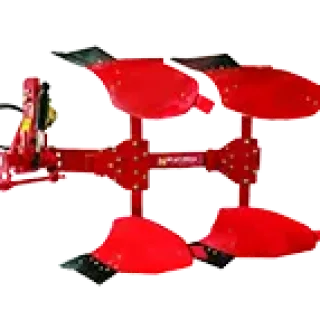
Price on request
Get best price
Plows and Tillage Equipment
10 products
- Plows and Tillage Equipment
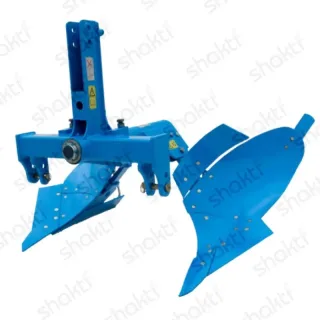
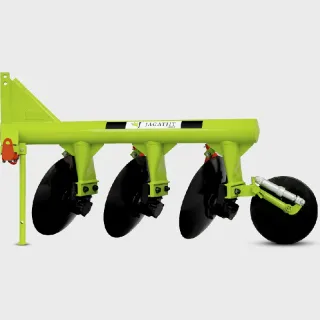
Badal Shakti
SHAKTI AGRO TECHNOLOGY | Plough Manufacturers · Amreli, Gujarat
Price on requestGet best price - Plows and Tillage Equipment
Shakti++
SHAKTI AGRO TECHNOLOGY | Plough Manufacturers · Amreli, Gujarat
Price on requestGet best price - Price on requestGet best price
- Price on requestGet best price
- Plows and Tillage Equipment
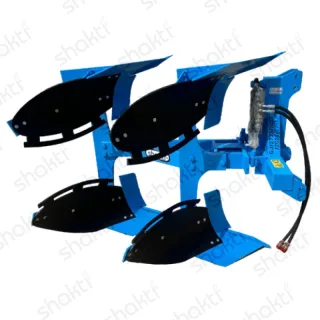
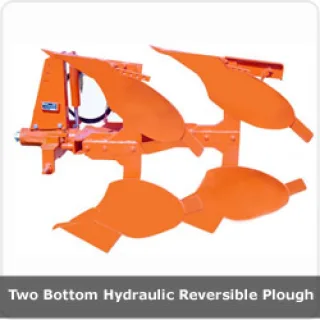
Two Bottom Hydraulic Reversible Plough
Shri Sai Agro Equipments Pvt. Ltd. · Hubballi, Karnataka
Price on requestGet best price - Price on requestGet best price
- Plows and Tillage Equipment
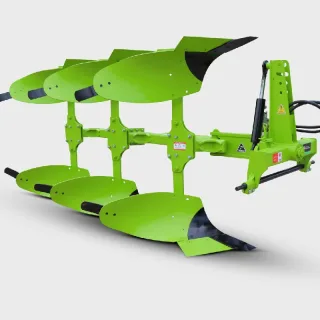
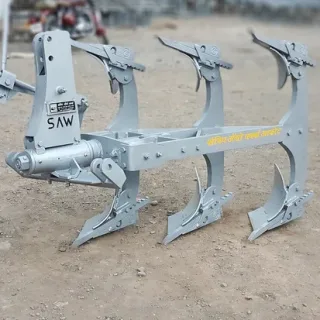
3 bottom reversible plough F SERIES HYD-F-33
Sandeep Agro Works · Akola, Maharashtra
Price on requestGet best price - Price on requestGet best price
- Plows and Tillage Equipment
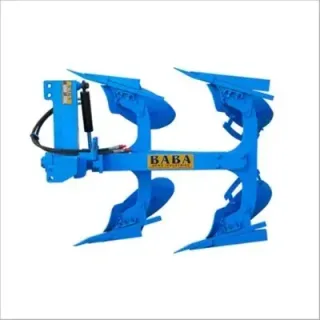
Two Furrow Hydraulic Reversible Plough
Kishan Agro Industries · Rajkot, Gujarat
Price on requestGet best price
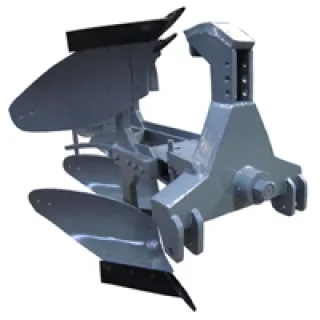
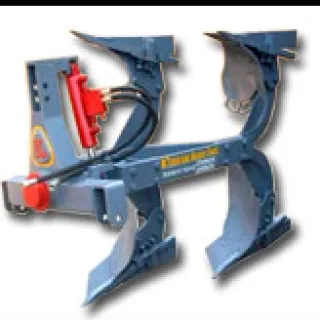
Plows and tillage equipment are essential farm implements used for soil preparation before sowing, planting, and crop establishment. These tools help farmers loosen compacted soil, manage crop residue, improve aeration, control weeds, and create a suitable seedbed for healthy root development. Proper tillage supports better water movement, nutrient availability, and uniform crop growth across different field conditions.
On Farm Associate, buyers can explore plows and tillage equipment for open-field farming, horticulture, cereal crops, vegetables, pulses, oilseeds, and large-scale land preparation. Farmers, farm contractors, and agricultural businesses can compare different tillage tools based on soil type, tractor compatibility, working depth, field size, durability, and supplier availability. This category helps connect global farm buyers with suppliers offering practical equipment for primary tillage, secondary tillage, seedbed preparation, and soil cultivation.
Frequently asked questions
1. What are plows and tillage equipment used for?
Plows and tillage equipment are used to prepare soil before crop planting. They help loosen, turn, break, mix, or level the soil depending on the field requirement. Farmers use these tools to manage weeds, bury residues, improve aeration, and create a better seedbed. Proper tillage supports stronger root growth, better water movement, and more uniform crop establishment.
2. What is the difference between plowing and tillage?
Plowing is a type of primary tillage that turns and opens the soil at a deeper level. Tillage is a broader term that includes several soil preparation operations such as plowing, cultivating, harrowing, leveling, and seedbed preparation. Plowing is usually done before other tillage operations, while secondary tillage helps refine the soil surface for planting.
3. Which crops need tillage equipment?
Tillage equipment is used for many crops, including cereals, pulses, oilseeds, vegetables, fodder crops, and horticulture crops. Any crop that requires prepared soil, proper seed placement, and improved root-zone conditions can benefit from suitable tillage. The equipment choice depends on crop spacing, soil condition, residue load, and planting method.
4. How do farmers choose the right plow?
Farmers choose the right plow by checking soil type, tractor horsepower, field size, desired working depth, and residue condition. Heavy soils need strong plows with good soil penetration, while lighter soils need equipment that avoids excessive soil disturbance. Buyers should also compare frame strength, blade quality, working width, hitch compatibility, and spare part availability before purchase.
5. What are the main benefits of tillage equipment?
The main benefits of tillage equipment include improved soil loosening, better weed control, easier seedbed preparation, and improved root development. Tillage helps break hard soil layers, mix organic residue, and prepare a cleaner field surface for sowing. When the right implement is used, farmers can improve planting efficiency and support better crop establishment.
6. Can tillage equipment reduce soil compaction?
Tillage equipment can reduce surface and shallow soil compaction when used correctly. Soil-opening tools help loosen compacted layers and improve air and water movement in the root zone. However, repeated deep or aggressive tillage can damage soil structure if not managed properly. Farmers should match tillage depth and frequency with soil condition and crop need.
7. What should buyers check before purchasing tillage equipment?
Buyers should check tractor compatibility, working width, working depth, material quality, soil suitability, maintenance needs, and spare part support. They should also review whether the equipment is suitable for primary tillage, secondary tillage, residue management, or seedbed preparation. A clear match between field requirement and equipment design helps improve performance and reduce operating costs.