
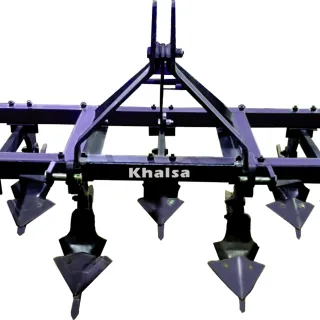
Price on request
Get best price
Cultivator
21 products
- Price on requestGet best price
- Price on requestGet best price
- Cultivator
Swaraj Tractors Spring Loaded Cultivator
Swaraj Tractors - M/S Apna Krishi Kendra · Jabalpur, Madhya Pradesh
Price on requestGet best price - Cultivator
Cultivator Heavy-Duty Spring Loaded Tiller
Sonalika - Shri Kedarnath Agro · Malegaon, Maharashtra
Price on requestGet best price - Cultivator
Swaraj Tractors Spring Loaded Cultivator
Swaraj Tractors - M/S Krishna Automobiles · Porbandar, Gujarat
Price on requestGet best price - Cultivator
Spring Loaded Cultivator (Heavy Duty)
Mahindra Tractors - RK Agrotech · Udaipur, Rajasthan
Price on requestGet best price - Cultivator
Swaraj Tractors Spring Loaded Cultivator
Swaraj Tractors - M/S Raju Machinery And Tractors · Ujjain, Madhya Pradesh
Price on requestGet best price - Price on requestGet best price
- Price on requestGet best price
- Price on requestGet best price
- Cultivator
Extra Heavy Duty Spring Loaded Cultivator
Madaan Jacquard by Madaan Engineering Works · Panipat, Haryana
Price on requestGet best price - Price on requestGet best price
- Price on requestGet best price
- Price on requestGet best price
- Price on requestGet best price
- Price on requestGet best price
- Price on requestGet best price
- Price on requestGet best price
- Price on requestGet best price
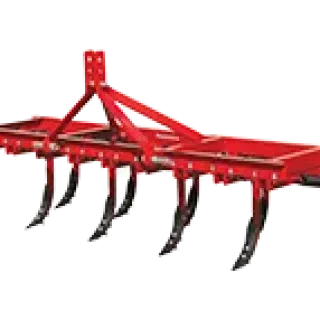
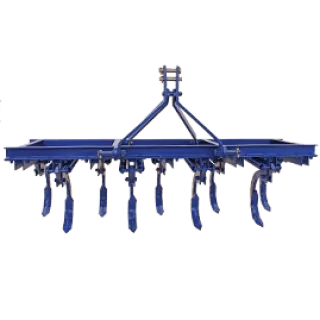
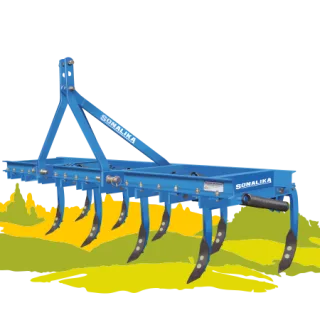
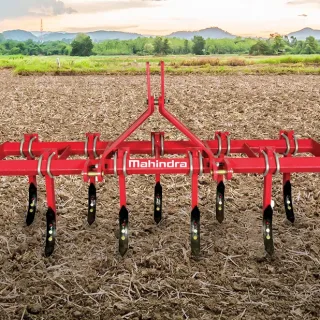
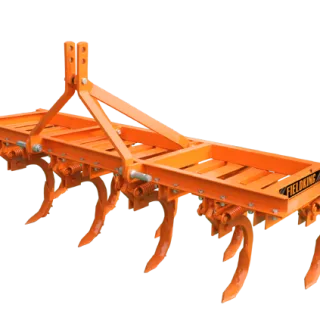
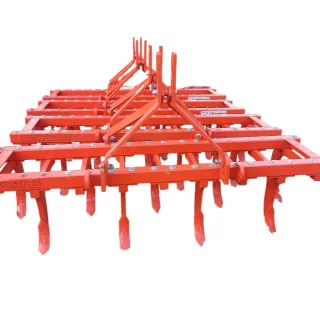
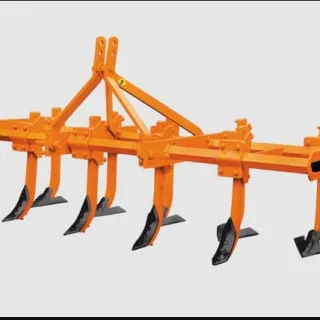
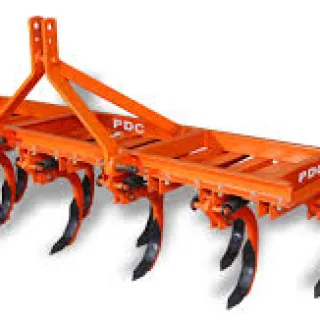
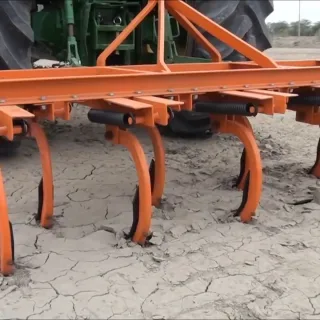
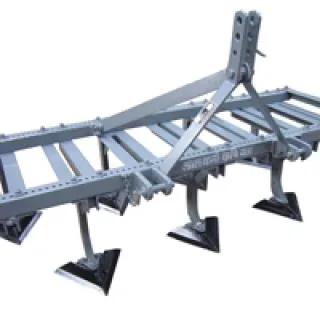
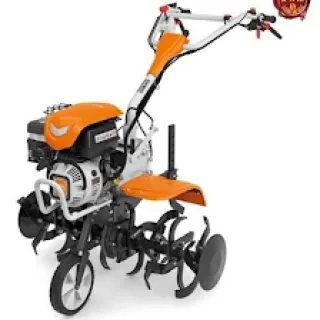
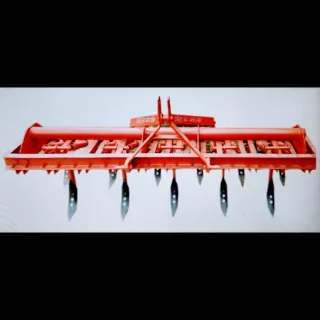
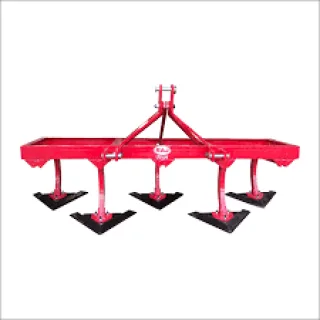
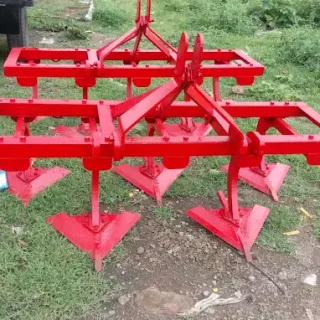
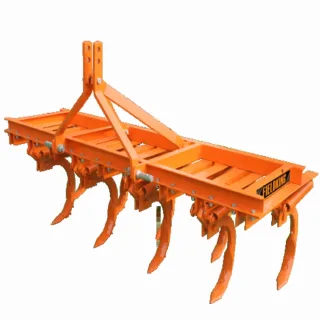
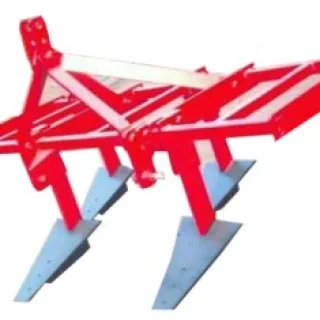
A cultivator is an agricultural tillage implement designed to stir, loosen, and aerate the soil and to control weeds, either while preparing a seedbed before sowing or while working between the rows of an established crop. It is classed as a secondary tillage tool, meaning it is typically used after primary tillage implements such as ploughs have done the initial heavy breaking of the soil. A cultivator works by drawing a series of tines, shovels, or discs through the soil at a shallow-to-medium depth, fracturing clods, mixing surface residue, and uprooting weeds without inverting the soil as a plough does. Cultivators come in several main types. Spring-tine cultivators use flexible, curved tines that vibrate through the soil, giving a fine tilth and the ability to ride over obstacles. Rigid-tine cultivators use fixed, heavy-duty tines for deeper, more aggressive work in harder soils. Disc cultivators use angled discs to cut and mix soil and residue. Rotary cultivators (rotavators or power tillers) use powered rotating blades to thoroughly chop and mix the soil in a single pass. Cultivators are most commonly tractor-mounted, drawing power and lift from the tractor, while smaller power-tiller cultivators serve compact farms, gardens, and inter-row work.
Frequently asked questions
What is a cultivator?
A cultivator is an agricultural tillage implement used to stir, loosen, and aerate the soil and to control weeds, either while preparing a seedbed before sowing or while working between the rows of an established crop. It is a secondary tillage tool, usually used after primary implements like ploughs. A cultivator draws tines, shovels, or discs through the soil at shallow-to-medium depth, breaking up clods, mixing residue, and uprooting weeds without fully inverting the soil. Cultivators come in spring-tine, rigid-tine, disc, and rotary types, and are most commonly tractor-mounted, making them one of the most frequently used implements in crop production.
What is a cultivator used for?
A cultivator is used for two main jobs. The first is seedbed preparation: after primary tillage, the cultivator breaks up clods and creates a fine, level tilth ready for sowing, improving germination and crop establishment. The second is inter-row cultivation and weeding: when run between the rows of a growing crop, it uproots and buries weeds, loosens the surface, and improves aeration and water infiltration without chemicals. In doing so, cultivators also mix crop residue and organic matter into the topsoil, support nutrient cycling, and relieve soil compaction. These functions make the cultivator one of the most versatile and widely used tillage implements on a farm.
What is the difference between a cultivator and a harrow?
A cultivator and a harrow are both secondary tillage tools but work differently and at different stages. A cultivator uses tines, shovels, or discs to penetrate and stir the soil at a moderate depth, breaking up clods, loosening soil, and uprooting weeds — often used for both seedbed preparation and inter-row weeding. A harrow works the soil more shallowly, smoothing, levelling, and breaking down the surface into a fine finish, and is typically used as a finishing pass after cultivation to refine the seedbed. In short, the cultivator does the deeper loosening and weeding, while the harrow does the shallower levelling and finishing. Many farms use both in sequence.
What is the difference between a cultivator and a plough?
A plough is a primary tillage implement that cuts, lifts, and inverts the soil to a significant depth, burying surface residue and weeds and opening up previously uncultivated or compacted ground. A cultivator is a secondary tillage implement that works the already-ploughed soil at a shallower depth, stirring and loosening it without fully inverting it, to create a fine seedbed and control weeds. In the normal sequence of land preparation, the plough comes first to do the heavy breaking and turning, followed by the cultivator to refine the soil into a workable seedbed. They are complementary tools used at different stages of preparing land for a crop.
What types of cultivators are available?
Cultivators come in several types suited to different soils and tasks. Spring-tine cultivators use flexible, curved tines that vibrate through the soil for a fine tilth and ride over stones and obstacles, suiting lighter and stony soils. Rigid-tine cultivators use fixed, heavy-duty tines for deeper, more aggressive work in harder, heavier soils. Disc cultivators use angled discs to cut and mix soil and crop residue. Rotary cultivators, also called rotavators or power tillers, use powered rotating blades to thoroughly chop and mix the soil in a single pass. Cultivators are available as tractor-mounted implements for larger farms and as power-tiller attachments for compact farms, gardens, and inter-row work.
What size tractor do I need to pull a cultivator?
The tractor horsepower needed depends on the cultivator's working width, the number and type of tines, the working depth, and your soil conditions. As a general guide, wider cultivators with more tines and deeper, more aggressive work in heavy soils require more horsepower, while narrower implements working lighter soils at shallow depth need less. Heavier, harder soils always demand more power than light, friable ones. The key is to match the implement to your tractor so it is neither overloaded nor underused. Cultivator suppliers typically state a recommended horsepower range for each implement — when in doubt, share your tractor's horsepower and soil type with the supplier for a precise recommendation.
How many tynes should a cultivator have?
The number of tynes (tines) on a cultivator depends on the implement's working width, the tine spacing required for your crop and soil, and your tractor's power. More tynes over a given width give finer, more thorough soil working but require more horsepower to pull. Tractor-mounted cultivators commonly range from a handful of tynes on compact models up to many tynes on wide field cultivators. For inter-row cultivation, the tyne arrangement is matched to the crop's row spacing so the implement works between rows without damaging plants. The right number balances the quality of tilth you need, your row spacing, and the power available — a supplier can recommend the ideal configuration for your conditions.
How much does a cultivator cost?
Cultivator prices vary widely depending on the type, size, working width, number of tines, build quality, and whether the implement is new or used. Compact power-tiller cultivators and small mounted models sit at the lower end of the range, while wide, heavy-duty field cultivators and rotary cultivators represent a larger investment. Disc and rotary cultivators generally cost more than simple tine cultivators due to their more complex construction. Used implements can substantially reduce the entry cost. The most reliable way to get accurate, competitive pricing for the cultivator type and size you need is to send a free inquiry through Farm Associate and receive quotes directly from multiple verified suppliers.
How do I buy a cultivator on Farm Associate?
Browse the Cultivator category on Farm Associate and use the filters to narrow by type — spring-tine, rigid-tine, disc, or rotary — and by mounting configuration. Review the product listings and supplier profiles, including verified status and ratings, then click "Send Inquiry" on any implement that matches your needs. Describe your soil type, the tasks you need it for, your crop row spacing, your tractor's horsepower, and any new or used preference. Verified cultivator dealers respond with pricing, specifications, and availability — typically within 24 hours. The inquiry service is completely free for farmers, with no registration or commitment required.