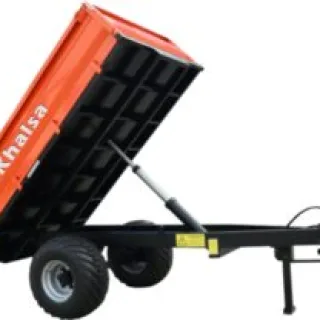
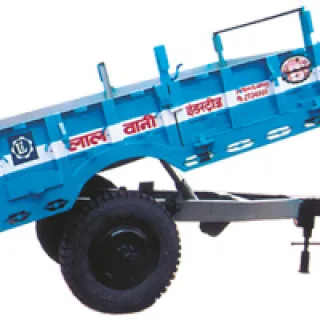
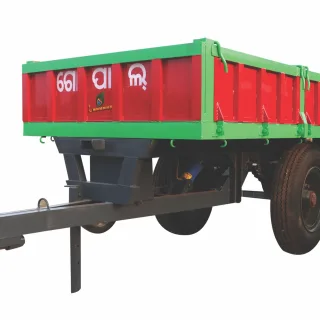
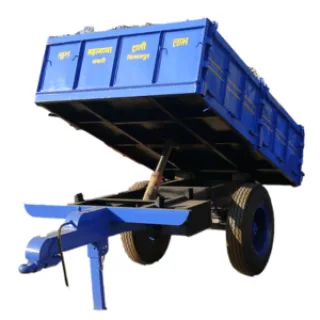
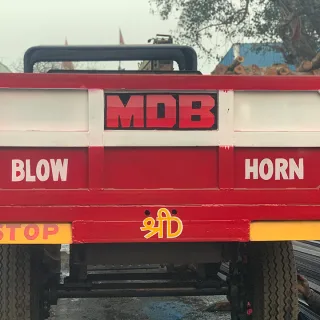
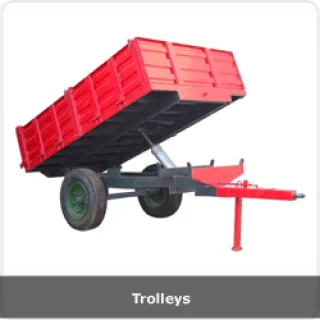
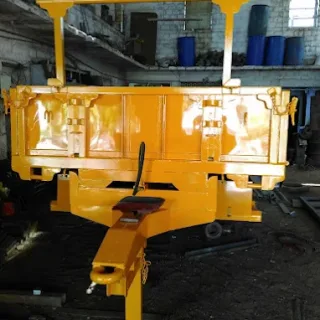
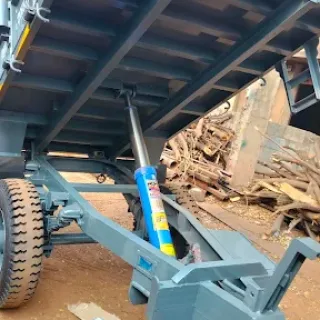
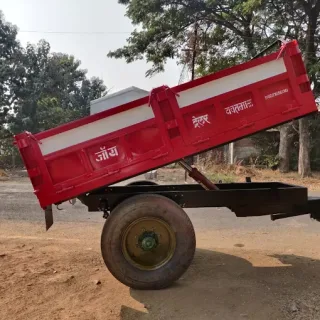
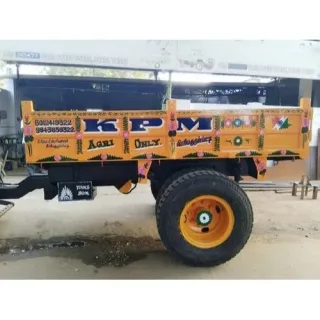
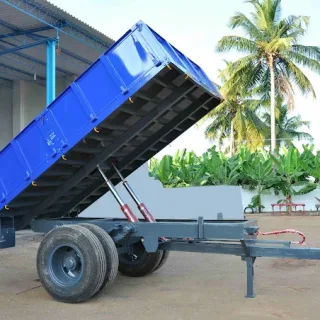
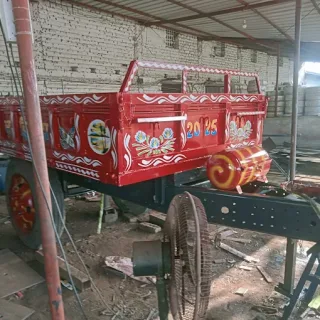
A tractor trailer is an agricultural transport attachment used with tractors for moving crops, farm inputs, soil, manure, feed, tools, equipment, and bulk materials across farms, fields, storage areas, rural roads, and agricultural worksites. It supports faster material handling, reduces manual labor, improves field logistics, and helps farmers manage daily transport requirements more efficiently.
This category helps farmers, contractors, dealers, producer groups, farm service providers, equipment buyers, and agri-businesses explore tractor trailers for different hauling and farm transport needs. Tractor trailers are used during harvesting, input movement, irrigation work, livestock support, storage handling, land preparation, and general farm operations. Buyers compare trailer options based on load capacity, body type, axle design, tyre suitability, build strength, hitch compatibility, tipping function, braking needs, field condition, and supplier reliability.
A clear tractor trailer category page helps users understand how trailers support agricultural operations, which selection factors matter, and how to compare suppliers confidently. This page is globally positioned and suitable for agricultural equipment sourcing across different farming systems.
Frequently asked questions
1. What is a tractor trailer?
A tractor trailer is an agricultural transport implement attached behind a tractor to carry farm materials, crops, inputs, feed, soil, manure, tools, and bulk loads. It helps farmers move materials across fields, storage areas, rural roads, and farm worksites with less manual effort. Tractor trailers are designed for field conditions and are selected based on load type, tractor compatibility, terrain, and transport distance. A suitable trailer improves farm logistics and reduces repeated trips. Buyers should compare capacity, build quality, safety, and supplier reliability before sourcing.
2. How is a tractor trailer used in farming?
A tractor trailer is used in farming for transporting harvested crops, seeds, fertilizers, compost, manure, animal feed, tools, irrigation materials, soil, and other farm loads. During harvest, it helps move produce from field to storage or packing areas. During crop production, it supports input movement and daily material handling. In livestock and mixed farms, it supports feed and waste movement. The trailer is attached to a tractor and pulled according to field or road conditions. Proper loading and safe driving improve performance and safety.
3. Why are tractor trailers important in agriculture?
Tractor trailers are important in agriculture because farms need regular movement of materials across fields, storage areas, work locations, and market points. Without proper transport equipment, farmers spend more time and labor carrying inputs, crops, and materials manually. A tractor trailer improves efficiency, reduces delays, supports harvest handling, and improves bulk movement. It is useful for crop farming, livestock units, nurseries, plantations, and rural transport work. A reliable trailer helps protect time, labor, and farm productivity during busy seasons.
4. How do farmers choose a tractor trailer?
Farmers choose a tractor trailer by checking load requirement, tractor power, terrain, transport distance, body design, capacity, axle type, tyre size, hitch compatibility, and unloading method. A trailer used for crops may need different features than one used for soil, manure, feed, or heavy materials. Buyers should also consider balance, braking support, turning ability, maintenance access, and build strength. The trailer must match the tractor’s pulling capacity and farm condition. Comparing supplier details and construction quality improves sourcing confidence.
5. What materials can be transported in a tractor trailer?
A tractor trailer can transport many farm materials such as grains, vegetables, fruits, seeds, fertilizers, compost, manure, animal feed, soil, crop residue, irrigation materials, tools, and general equipment. The suitable material depends on trailer body strength, side wall design, floor quality, capacity, and unloading method. Heavy or wet materials require stronger construction and careful load management. Buyers should select a trailer according to the main material they plan to carry. Proper loading protects the trailer, tractor, and transported material.
6. What is the difference between a tractor trailer and farm trolley?
A tractor trailer and farm trolley are often used for similar farm transport work, but terminology can vary by region and design. Both are generally tractor-drawn equipment used for hauling crops, inputs, soil, feed, and other agricultural materials. A trailer may refer to a broader category that includes different body types, axle designs, and unloading systems. A trolley is often used as a common term for farm hauling units. Buyers should focus on actual specifications, load capacity, build strength, and tractor compatibility instead of name alone.
7. Which features matter in a farm tractor trailer?
Important tractor trailer features include load capacity, body strength, floor quality, axle design, tyre suitability, hitch compatibility, side wall height, tipping or unloading system, braking support, turning radius, and maintenance access. Field condition also matters because muddy, uneven, or sloped terrain needs stable and durable equipment. For crop handling, the trailer should protect produce and allow easy loading. For heavy materials, strength and balance are more important. Buyers should compare features according to daily farm use and tractor pulling ability.
We use necessary cookies to run this site. With your permission we also measure visits (our own statistics) to learn which pages help buyers. Privacy policy