
Price on request
Get best price
Rakes
4 products
- Price on requestGet best price
- Price on requestGet best price
- Price on requestGet best price
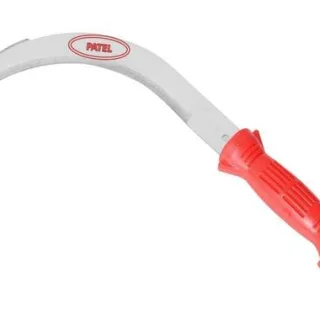
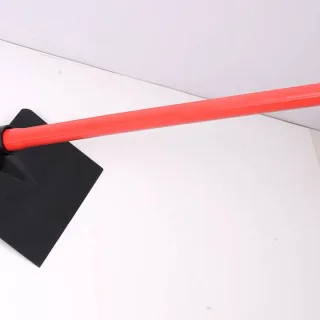
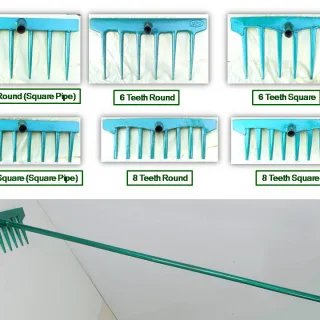
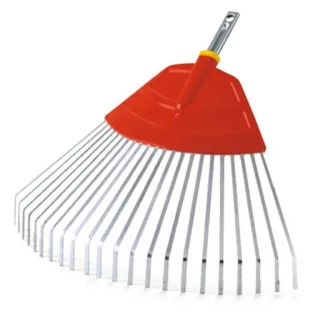
Rakes are agricultural implements used for gathering, turning, spreading, leveling, and cleaning field materials such as hay, forage, crop residue, soil, and debris. In farming operations, rakes help improve field organization, support forage drying, prepare materials for baling, and keep crop areas cleaner after cutting or harvesting. They are commonly used in hay production, livestock feed preparation, land maintenance, soil surface preparation, and general farm cleanup.
On Farm Associate, buyers can explore different farm rake options suitable for small farms, commercial farms, livestock operations, forage growers, contractors, and agricultural service providers worldwide. Farmers can compare rake type, working width, tractor compatibility, tine strength, field suitability, residue handling capacity, maintenance needs, and supplier availability before making an enquiry. This category connects global farm buyers with suppliers offering practical raking equipment for hay management, crop residue handling, and field maintenance.
Frequently asked questions
What are farm rakes used for?
Farm rakes are used to gather, turn, spread, level, or clean loose materials in agricultural fields. They are commonly used for hay making, forage handling, crop residue collection, soil leveling, and field cleanup. In forage operations, rakes help arrange cut material into rows for drying, baling, or collection. In field maintenance, they help remove debris and prepare cleaner working surfaces for the next operation.
How does a farm rake work?
A farm rake works by using tines, wheels, rotors, or rake bars to move loose material across the field surface. Depending on the design, it can gather hay into windrows, turn forage for drying, spread residue, or level soil. Tractor-mounted rakes use forward movement and rake action to collect or reposition field material. Proper height adjustment helps prevent soil contamination and improves raking performance.
Which crops or materials can be handled with agricultural rakes?
Agricultural rakes can handle hay, straw, grasses, forage crops, crop residue, dry plant material, and loose field debris. They are widely used in livestock feed production and post-harvest field management. Suitability depends on the material weight, moisture level, field condition, and rake design. Farmers should select a rake that matches the crop material and desired operation, such as turning, gathering, spreading, or cleanup.
What are the main benefits of using farm rakes?
The main benefits of using farm rakes are faster material handling, better hay drying, easier collection, improved field cleanup, and reduced manual labour. Rakes help organize cut forage into windrows, making baling or transport more efficient. They also help spread or turn material for uniform drying. In general field work, rakes help manage crop residue and create a cleaner surface for the next farming operation.
Are rakes useful for hay and forage production?
Rakes are highly useful for hay and forage production because they help turn, spread, and gather cut material at the right drying stage. Proper raking improves airflow through the forage and helps create uniform windrows for baling or collection. Gentle handling is important to reduce leaf loss, especially in leafy forage crops. Farmers should choose a rake that matches crop type, moisture level, and harvesting method.
What is the difference between a rake and a tedder?
A rake gathers or arranges cut forage into rows, while a tedder spreads and fluffs forage to speed drying. Both tools are used in hay and forage management, but they perform different operations. Tedders are mainly used earlier in the drying process to expose material to air and sunlight. Rakes are usually used when the material needs to be gathered into windrows for baling or collection.