
Price on request
Get best price
Biopesticide
17 products
- Price on requestGet best price
- Price on requestGet best price
- Price on requestGet best price
- Price on requestGet best price
- Price on requestGet best price
- Price on requestGet best price
- Price on requestGet best price
- Price on requestGet best price
- Biopesticide
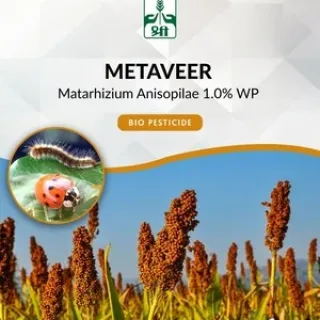
Metaveer
Shree Pesticides Pvt. Ltd. | Bio Pesticide & Insecticide Manufacturers & Wholesale Supplier in Udaipur · Udaipur, Rajasthan
Price on requestGet best price - Price on requestGet best price
- Price on requestGet best price
- Biopesticide
Trichoderma Bio-Pesticide Powder Formulation (Water Soluble)
Bulk Agrochem · Vadodara, Gujarat
₹1 / 1 MOQ 1 unitsGet best price - ₹1 / 1 MOQ 1 unitsGet best price
- ₹1 / 1 MOQ 1 unitsGet best price
- ₹1 / 1 MOQ 1 unitsGet best price
- Biopesticide
Trichoderma Bio-Pesticide Powder Formulation (Water Insoluble )
Bulk Agrochem · Vadodara, Gujarat
₹1 / 1 MOQ 1 unitsGet best price
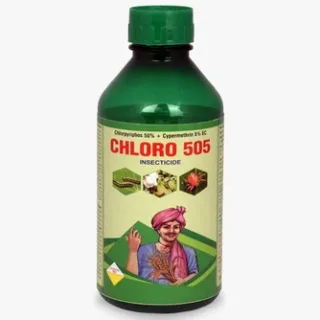
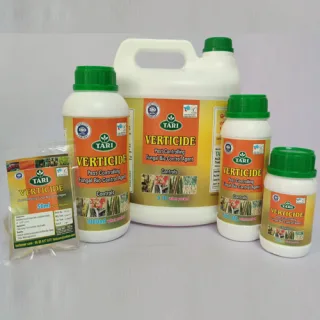

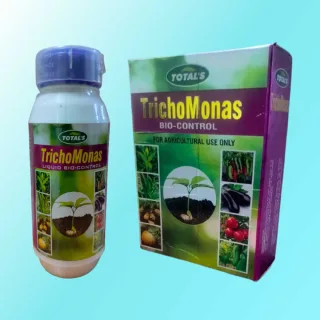
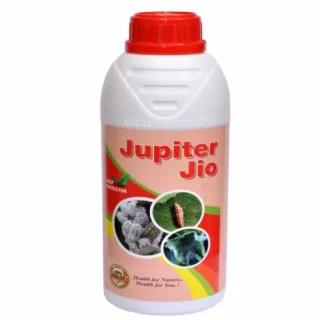
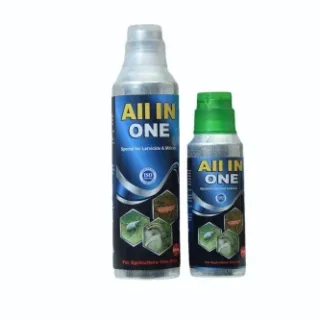
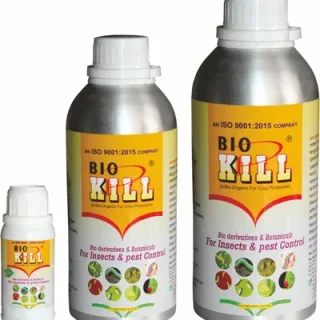
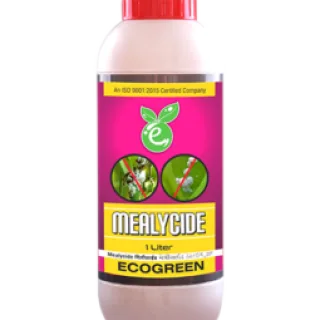
Biopesticides offer a distinctive set of benefits that make them increasingly important in modern crop protection. The most strategically valuable is resistance management: because biopesticides typically act through biological mechanisms and novel modes of action that differ from synthetic chemistry, they help break the cycle of resistance that builds when the same chemical groups are used repeatedly — making them a vital tool for keeping pest populations controllable over the long term. Second, biopesticides are highly target-specific: many affect only the intended pest or pathogen while sparing beneficial insects, pollinators, and natural predators, helping preserve the natural balance that suppresses pests within an integrated programme. Third, they leave low residues and break down quickly, supporting compliance with the strict maximum residue level (MRL) requirements of premium and export markets and producing safe, clean food. Fourth, biopesticides generally have short or zero pre-harvest intervals, allowing application close to harvest — a major practical advantage in high-value horticulture and continuous-harvest crops. Fifth, they have a favourable environmental and operator-safety profile, reducing risks to soil, water, and workers. Sixth, biopesticides integrate seamlessly into IPM programmes, often used in rotation or combination with other tools to deliver durable, sustainable control. As regulatory pressure on synthetic chemistry increases and market demand for residue-free produce grows, biopesticides are positioned as a future-proof, resistance-smart pillar of crop protection.
Frequently asked questions
What is a biopesticide?
A biopesticide is a crop protection product based on living organisms or naturally occurring substances, used to control insect pests, diseases, nematodes, and weeds through biological rather than synthetic chemical action. Biopesticides fall into three main classes: microbial biopesticides, which use a bacterium, fungus, or virus as the active agent; biochemical biopesticides, naturally occurring substances such as pheromones that control pests through non-toxic mechanisms; and plant-incorporated protectants. Common examples include Bacillus thuringiensis for caterpillars and Trichoderma for soil-borne disease. Biopesticides are highly target-specific, leave low residues, and are central to integrated pest management and resistance management.
What are the main types of biopesticides?
Biopesticides are grouped into three internationally recognised classes. Microbial biopesticides use a living microorganism as the active agent — for example Bacillus thuringiensis against caterpillars, the entomopathogenic fungi Beauveria bassiana and Metarhizium against insects, Trichoderma and Pseudomonas against soil-borne diseases, and NPV viruses against specific caterpillar pests. Biochemical biopesticides are naturally occurring substances that control pests through non-toxic means, such as insect pheromones that disrupt mating and plant-derived compounds that repel pests. Plant-incorporated protectants are protective substances plants produce themselves through introduced genetic material. By function, biopesticides are also described as bio-insecticides, biofungicides, and bionematicides depending on the target they control.
How do biopesticides work?
Biopesticides work through specific biological mechanisms rather than broad chemical toxicity. Microbial biopesticides act by infecting and killing the target pest — for instance, Bacillus thuringiensis produces proteins that disrupt the gut of caterpillars that ingest it, while entomopathogenic fungi infect insects through their cuticle. Biocontrol agents for disease, such as Trichoderma, work by outcompeting, parasitising, or suppressing pathogens and by triggering the plant's own defences. Biochemical biopesticides like pheromones interfere with pest behaviour, such as disrupting mating so populations cannot build. Because these mechanisms are highly specific to the target, biopesticides typically spare beneficial insects and natural enemies, which is central to their value in integrated pest management.
What is the difference between a biopesticide and an organic pesticide?
The two overlap but are defined differently. A biopesticide is defined by its biological origin and mode of action — it is based on living organisms or naturally occurring biological substances, such as microbial agents, pheromones, or plant-incorporated protectants. An organic pesticide is defined by its suitability for certified organic farming — it includes natural products permitted under organic standards, which covers many biopesticides but also botanical products such as neem and mineral products such as copper and sulphur that are not biological agents. In short, many biopesticides are used in organic farming, but not all organic pesticides are biopesticides, and not every biopesticide is necessarily certified for organic use. Always check a product's specific certification status for your standard.
What is the difference between a biopesticide and a chemical pesticide?
A biopesticide is based on living organisms or natural biological substances and controls pests through specific biological mechanisms, while a chemical pesticide is a synthetic compound that usually acts faster and across a broader range of pests. Biopesticides are highly target-specific, gentler on beneficial insects, leave low residues, and often have novel modes of action useful for resistance management — but they can act more slowly and reward precise, well-timed application. Synthetic chemical pesticides offer fast, broad, reliable knockdown but carry higher residue and resistance concerns. Many farms combine the two within integrated pest management, leading with biopesticides and reserving synthetic options for high pest pressure where they are genuinely needed.
Are biopesticides effective?
Yes, biopesticides are effective when matched correctly to the target and applied well, though they work differently from synthetic pesticides. Because they are target-specific and often act more slowly, they perform best applied early — at or before the onset of pest pressure — and within an integrated pest management programme rather than as a last-resort rescue treatment. Their effectiveness depends on correct pest identification, selecting the right biological agent, applying at the right rate and timing, and respecting the storage and environmental conditions that keep living organisms viable, since many are sensitive to heat and UV light. Used this way, biopesticides deliver reliable control of insects, diseases, and nematodes across many crops.
How do biopesticides help with resistance management?
Biopesticides are a key tool in resistance management because they typically act through biological mechanisms and modes of action that differ fundamentally from synthetic chemical groups. Pest resistance develops when the same chemical mode of action is used repeatedly, selecting for pests that survive it. By rotating or combining biopesticides — with their novel, often multi-site biological modes of action — into the spray programme, farmers reduce the selection pressure on any single chemical group, slowing the development of resistance and prolonging the useful life of all the tools in the programme. This makes biopesticides valuable not only for their own control but for protecting the effectiveness of the conventional products used alongside them within an integrated strategy.
How do I apply biopesticides?
Biopesticides are usually applied as foliar or soil treatments, but because they contain living organisms or biological compounds they require more care than synthetics. Apply early, at the first sign of pest pressure or preventively, since many act more gradually. Many microbial biopesticides are sensitive to heat and ultraviolet light, so applying in the cooler, lower-light parts of the day — early morning or evening — improves survival and effectiveness. Ensure thorough coverage of target areas, including leaf undersides. Respect the storage conditions on the label, as viability can decline if products are stored warm or for too long, and check tank-mix compatibility. Always follow the product label for rate, timing, and re-application interval for your crop and pest