
Water Pumps
33 products
- Price on requestGet best price
- Water Pumps
10 inch / 250mm Borewell Submersible Pumpsets
Maheshwari Pipe Fittings Company (MAHESHWARI TEXMO) · Bhopal, Madhya Pradesh
Price on requestGet best price - Water Pumps
EAHM SERIES
Maheshwari Pipe Fittings Company (MAHESHWARI TEXMO) · Bhopal, Madhya Pradesh
Price on requestGet best price - Price on requestGet best price
- Water Pumps
Roll over image to zoom in 2 HP Honda Petrol Water Pump WB 20X
Insight AgroTech · Wardha, Maharashtra
Price on requestGet best price - Price on requestGet best price
- Price on requestGet best price
- Price on requestGet best price
- Price on requestGet best price
- Price on requestGet best price
- Water Pumps
ABC – Aquatex Borewell Compressor Pumps
Maheshwari Pipe Fittings Company (MAHESHWARI TEXMO) · Bhopal, Madhya Pradesh
Price on requestGet best price - Water Pumps
Submersible Pump
India Machinery And Parts Canon Generator Authorised Dealer · Bhagalpur, Bihar
Price on requestGet best price - Water Pumps
Water Pumpsets
India Machinery And Parts Canon Generator Authorised Dealer · Bhagalpur, Bihar
Price on requestGet best price - Price on requestGet best price
- Water Pumps
Kirloskar KDI-520+ 5HP Three Phase Monoblock Pumps
Tulsi Pumps & Power Pvt Ltd : Best Energy Generation Company in Varanasi · Varanasi, Uttar Pradesh
Price on requestGet best price - Water Pumps
24V Solar Water Pump
Tulsi Pumps & Power Pvt Ltd : Best Energy Generation Company in Varanasi · Varanasi, Uttar Pradesh
Price on requestGet best price - Water Pumps
1 HP Self-Priming Water Pump – Red Color
KISAN MACHINERY RAIPUR ( HEAVYTECH AGRO MACHINERY PVT LTD) · Raipur, Chhattisgarh
Price on requestGet best price - Water Pumps
HTP sprayers with engine SPS-60L
SAROVER POWER PRODUCTS PVT. LTD. · Bhopal, Madhya Pradesh
Price on requestGet best price - Price on requestGet best price
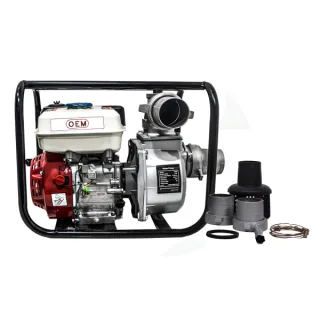
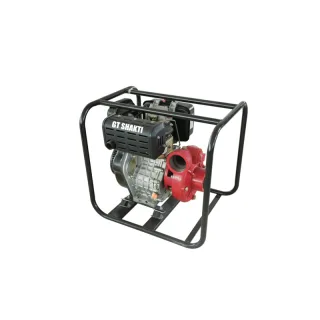
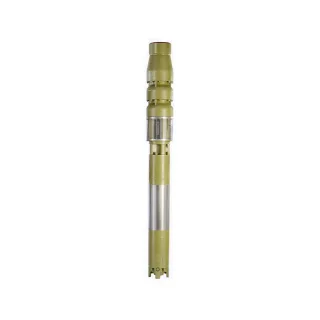
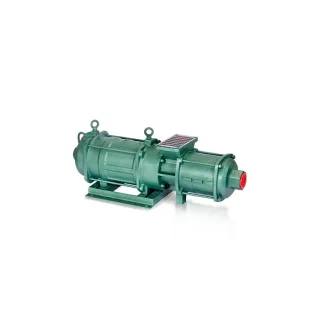
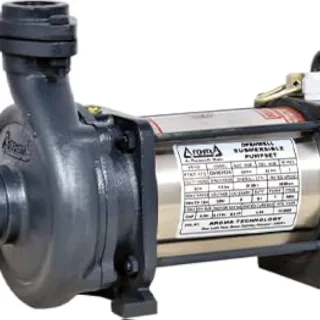
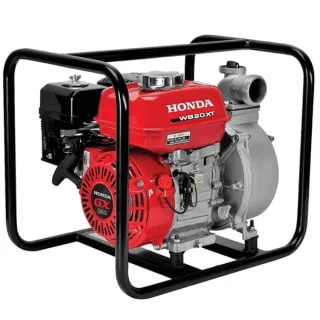
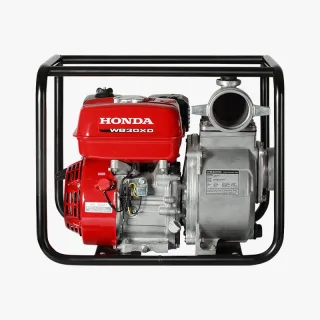
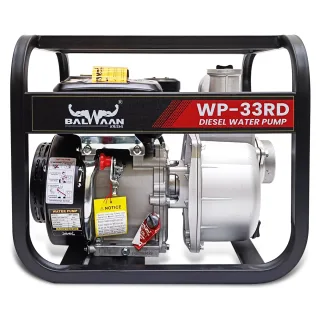
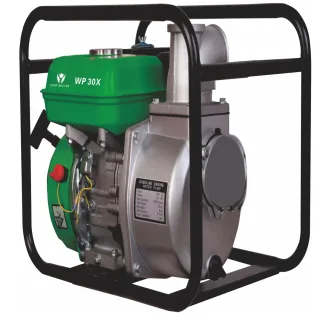
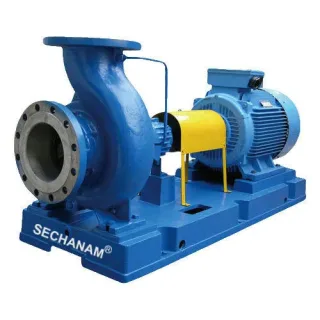
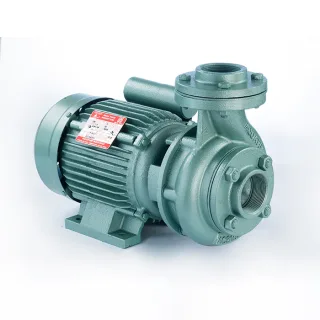
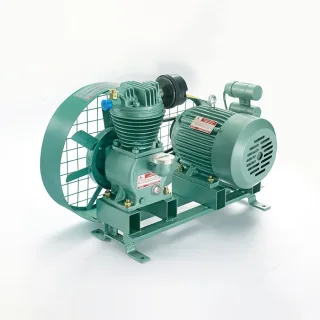
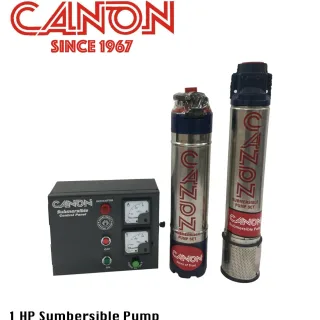
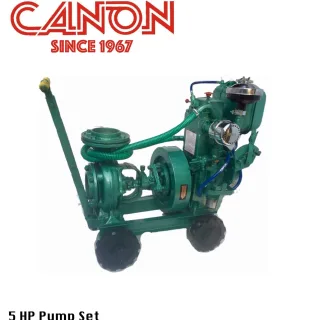
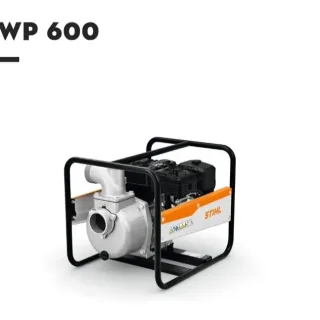
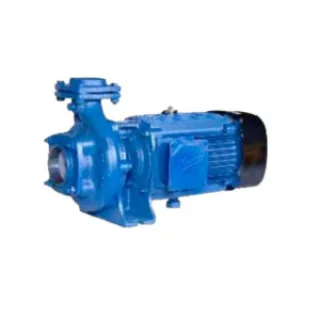
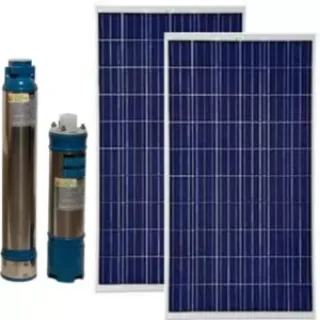
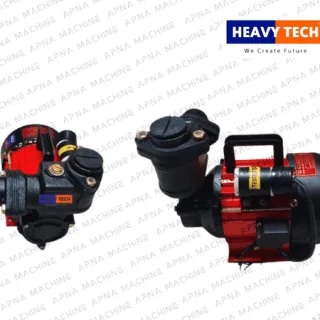
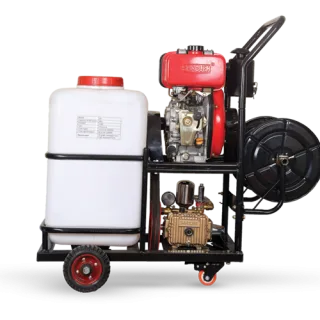
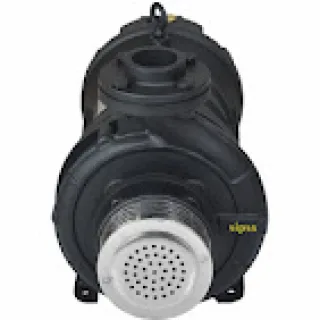
A water pump is a mechanical device that moves water from a source — such as a borewell, open well, river, pond, or storage tank — to the point where it is needed, by converting the energy from an electric motor, diesel engine, or solar panel into the pressure and flow that drives water through pipes. Agricultural water pumps are grouped primarily by their design and installation. Submersible pumps are sealed units installed below the water level inside a borewell or deep well, pushing water up from depth — they are the standard choice for borewell and deep-well applications. Centrifugal pumps are surface-mounted and draw water from shallow sources using suction, making them popular for open wells, rivers, canals, and tanks. Monoblock pumps combine the motor and pump in a single unit for compact, economical surface use. Self-priming pumps can draw water from slightly below their installation level without manual priming. Pumps are also categorised by their power source: electric pumps run on grid or generator power, solar pumps run on photovoltaic panels for independent, fuel-free operation, and diesel or petrol engine pumps provide portable, grid-independent power for remote or temporary use. The two key performance specifications are flow rate — the volume of water the pump delivers per hour — and head, the vertical height the pump can push water to, which must match the depth of the water source and the elevation of the delivery point.
Frequently asked questions
What type of water pump is best for farming?
The best pump type depends on the water source, depth, and power available. For borewells and deep wells, a submersible pump is the standard choice — it sits below the water line inside the well and pushes water upward reliably at depth. For open wells, rivers, canals, and tanks, a centrifugal or monoblock pump mounted at the surface is more practical and economical. Where grid electricity is unreliable or unavailable, a solar water pump provides independent, fuel-free operation. Diesel engine pumps are suited to temporary, portable, or remote applications. There is no single best type — the right pump matches the water source, the required flow, and the available power.
What is the difference between a submersible and a centrifugal pump?
A submersible pump is designed to operate fully submerged inside a borewell or deep well. The motor and pump are sealed in one unit that sits below the water level, pushing water upward — making it the right choice for deep water sources where suction cannot reach. A centrifugal pump is mounted on the surface and draws water from the source through a suction pipe, using a spinning impeller to generate flow. Centrifugal pumps work well with open wells, rivers, and tanks where the water surface is close to ground level. In short, submersible pumps push from below, while centrifugal pumps pull from above, and the choice depends on water source depth.
How does a solar water pump work?
A solar water pump uses photovoltaic solar panels to convert sunlight into electricity, which powers an electric pump motor that draws and delivers water. During daylight hours, the solar panels generate direct-current (DC) electricity that a controller feeds to the pump. Some systems include a battery bank to store energy for pumping during cloudy periods or after sunset, while many agricultural solar pumps operate on a direct-drive basis during daylight without batteries, pumping water into a storage tank for use later. Solar pumps pair well with drip and micro-irrigation systems, which operate at lower flow and pressure, and eliminate ongoing fuel and electricity costs — making them increasingly popular where grid power is unreliable or expensive.
What size water pump do I need for my farm?
The right pump size depends on the flow rate and head your operation requires. Flow rate is the volume of water the pump must deliver per hour, determined by how much water your crops, livestock, or systems need and how many hours per day you pump. Head is the total vertical height the pump must push water from the source level to the delivery point, plus any friction losses in piping. A borewell 60 metres deep with delivery 5 metres above ground requires a pump rated for at least 65 metres of head. Share your water source depth, required flow, and delivery distance with the supplier for an accurate sizing recommendation — this is the most important step in the purchase.
What is pump flow rate and head?
Flow rate and head are the two key performance specifications that define what a pump can do. Flow rate is the volume of water the pump delivers per unit of time, commonly expressed in litres per hour or cubic metres per hour. Head is the vertical height (in metres) the pump can push water to, measured from the water surface to the highest delivery point. When choosing a pump, you need a model whose rated flow and head meet or exceed what your farm requires. Under-specifying flow means not enough water; under-specifying head means the pump cannot lift water to where it needs to go. Both must be matched to your specific water source and layout.
Is a solar water pump better than a diesel pump?
Solar and diesel pumps each have advantages, and the better option depends on your situation. Solar pumps have higher upfront cost but dramatically lower running costs because they use free sunlight, and they operate independently with virtually no fuel, oil, or generator maintenance — making them the cheaper option over a pump's lifetime where sunlight is available. Diesel pumps cost less upfront and work regardless of sunlight, making them practical for portable, temporary, or emergency use and in locations with very low sunlight. For permanent installations with adequate sunshine, a solar pump typically pays for itself within a few years through eliminated fuel costs. Many farms use a solar pump as the main system with a diesel backup for contingency.
Can a solar water pump run at night?
Standard direct-drive solar pumps operate only during daylight hours because they draw power directly from solar panels, which produce electricity only when the sun is shining. To provide water at night or during cloudy weather, there are two common strategies. The first is to pump water into an elevated storage tank during the day and gravity-feed it to the field or livestock as needed. The second is to add a battery storage system that stores solar energy during the day and releases it to power the pump after dark. Battery systems add cost and complexity, so for most agricultural applications, pumping into a storage tank during daylight is the more practical and cost-effective solution.
How much does a farm water pump cost?
Water pump prices vary widely depending on the pump type, capacity, power source, and quality. Small monoblock and centrifugal pumps for surface water and moderate-depth open wells sit at the lower end. Submersible pumps rated for deep borewells cost more, with price increasing as well depth and required horsepower increase. Solar water pumps carry a higher upfront cost due to the solar panels and controller, but save substantially on running costs over their lifetime. Diesel engine pumps sit in the mid range for purchase price but carry ongoing fuel and maintenance costs. The most reliable way to get accurate pricing is to send a free inquiry through Farm Associate and receive quotes directly from multiple verified suppliers for your specific requirements.