Price on request
Get best price
Irrigation
65 products
- Price on requestGet best price
- Price on requestGet best price
- Irrigation
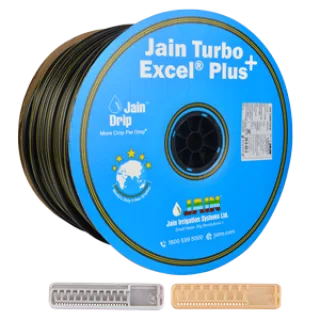
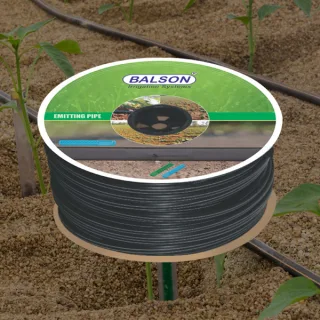
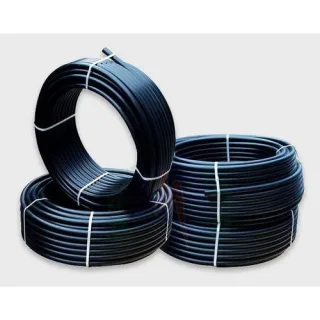
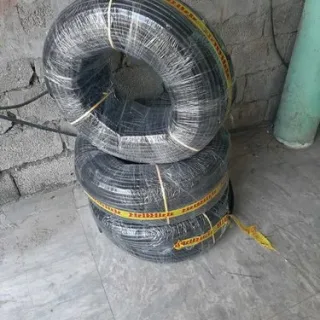
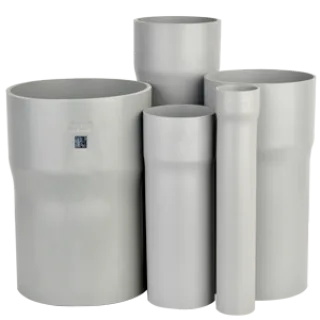
Agricultural Drip Irrigation Pipe System
CHOUDHARY GREENHOUSE & AGRO AGENCY · Jaipur, Rajasthan
Price on requestGet best price - Price on requestGet best price
- Price on requestGet best price
- Water Pumps
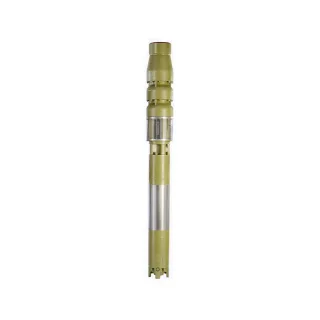
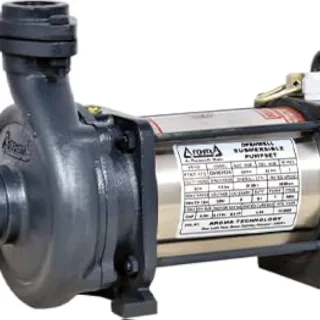
10 inch / 250mm Borewell Submersible Pumpsets
Maheshwari Pipe Fittings Company (MAHESHWARI TEXMO) · Bhopal, Madhya Pradesh
Price on requestGet best price - Water Pumps
EAHM SERIES
Maheshwari Pipe Fittings Company (MAHESHWARI TEXMO) · Bhopal, Madhya Pradesh
Price on requestGet best price - Price on requestGet best price
- Price on requestGet best price
- Water Pumps
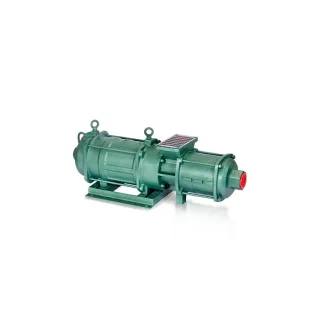
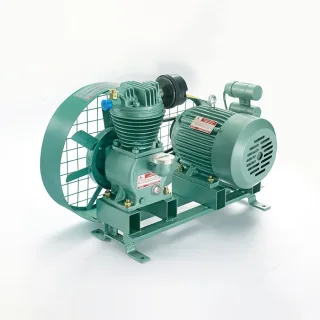
ABC – Aquatex Borewell Compressor Pumps
Maheshwari Pipe Fittings Company (MAHESHWARI TEXMO) · Bhopal, Madhya Pradesh
Price on requestGet best price - Price on requestGet best price
- Price on requestGet best price
- Price on requestGet best price
- Water Pumps
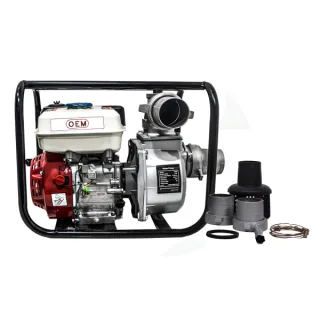
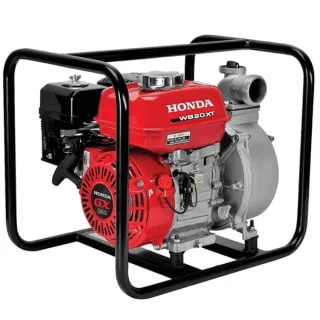
Roll over image to zoom in 2 HP Honda Petrol Water Pump WB 20X
Insight AgroTech · Wardha, Maharashtra
Price on requestGet best price - Price on requestGet best price
- Price on requestGet best price
- Price on requestGet best price
- Price on requestGet best price
An irrigation system is a network of equipment that delivers a controlled supply of water to crops, supplementing or replacing natural rainfall to meet the plant's water requirements throughout the growing season. A complete system typically includes a water source and pump, a filtration unit, mainline and sub-main pipes, distribution lines, and the delivery devices that apply water to the field — such as drip emitters, micro-sprinklers, or sprinkler heads. Irrigation systems are grouped into several main types. Drip irrigation delivers water slowly and directly to the root zone through a network of tubing and emitters, achieving the highest water-use efficiency. Sprinkler irrigation distributes water over the crop canopy in a rainfall-like pattern, suiting a wide range of field crops. Micro-irrigation covers low-volume systems including drippers and micro-sprinklers ideal for orchards, vegetables, and high-value crops. Surface and flood irrigation move water across the field by gravity. Many modern systems also integrate fertigation — injecting fertilizers into the irrigation water — and smart controllers that automate watering based on soil moisture and weather data, maximising both crop performance and water savings.
Frequently asked questions
What is an irrigation system?
An irrigation system is a network of equipment that delivers a controlled supply of water to crops, supplementing or replacing rainfall to meet plant water needs through the growing season. A complete system usually includes a water source and pump, filtration, mainline and distribution pipes, and delivery devices such as drip emitters, micro-sprinklers, or sprinkler heads. Irrigation systems give farmers reliable control over water, protecting yields during dry periods, improving crop uniformity, and enabling production of high-value crops regardless of unpredictable rainfall. The main types are drip, sprinkler, micro-irrigation, and surface or flood irrigation.
What is drip irrigation and how does it save water?
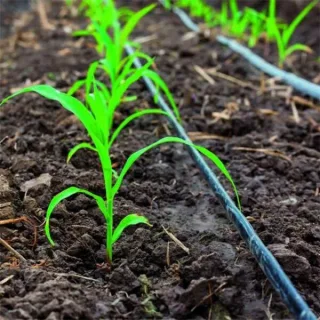
Drip irrigation delivers water slowly and directly to the plant's root zone through a network of tubing and emitters, rather than spraying or flooding the whole field. Because water is applied precisely where the plant needs it and at a slow rate, very little is lost to evaporation, wind drift, or runoff — which is how drip systems achieve the highest water-use efficiency of any irrigation method. Drip irrigation can reduce water consumption by 30–60% compared with flood irrigation while improving crop uniformity. It is especially well suited to row crops, vegetables, orchards, and any situation where water is scarce or expensive.
What is the difference between drip and sprinkler irrigation?
Drip irrigation applies water slowly and directly to the root zone through emitters, minimising evaporation and achieving the highest water efficiency — ideal for row crops, vegetables, and orchards, and for situations where water is limited. Sprinkler irrigation distributes water over the crop canopy in a rainfall-like spray pattern, covering larger areas more quickly and suiting broad-acre field crops, pastures, and uniform fields. Drip uses less water and reduces weed growth between rows, while sprinklers are often simpler to move across large open areas and can help with frost protection and cooling. The best choice depends on crop type, field layout, and water availability.
Which irrigation system is the most water efficient?
Drip irrigation is generally the most water-efficient system, because it delivers water directly to the root zone at a slow rate, minimising losses to evaporation, wind, and runoff. Well-designed drip systems can reach water-use efficiencies of 90% or higher, compared with around 75% for sprinkler systems and 50% or less for traditional flood irrigation. Micro-irrigation systems, which include drippers and micro-sprinklers, are also highly efficient and well suited to orchards and high-value crops. Pairing any efficient irrigation method with smart controllers and soil-moisture sensors further improves water savings by applying water only when the crop actually needs it.
What type of irrigation is best for vegetables?
Drip irrigation is usually the best choice for vegetable crops. It delivers water precisely to the root zone of each plant, keeping foliage dry — which reduces fungal disease pressure — while maximising water efficiency. Drip also integrates well with fertigation, allowing precise nutrient delivery alongside water, which suits the intensive nutrient demands of vegetable production. For some leafy or closely spaced vegetable crops, micro-sprinklers may also be appropriate. The ideal layout depends on crop spacing, soil type, and water availability, so it is worth discussing your specific vegetable crop and field conditions with an irrigation supplier to design the most effective system.
How much does an irrigation system cost?
Irrigation system costs vary widely depending on the type of system, the area to be covered, water source and pumping requirements, and the level of automation. Basic drip irrigation kits for small plots sit at the lower end of the range, while complete drip or sprinkler systems for large fields — including pumps, filtration, piping, and controllers — represent a more significant investment. Micro-irrigation and smart, automated systems add cost but deliver higher efficiency and labour savings over time. Because requirements vary so much by farm, the most reliable way to get accurate pricing is to send a free inquiry through Farm Associate and receive quotes directly from multiple verified suppliers for your specific needs.
Can an irrigation system be powered by solar energy?
Yes, solar-powered irrigation is increasingly popular, particularly in areas where grid electricity is unreliable, unavailable, or expensive. A solar irrigation system uses photovoltaic panels to power the water pump, drawing water from a well, borehole, river, or storage tank during daylight hours. Solar pumps pair especially well with drip and micro-irrigation systems, which operate at lower pressure and flow rates and therefore require less power. While the upfront cost of a solar pump is higher than a conventional pump, it dramatically reduces ongoing fuel and electricity costs and provides reliable, independent operation. Many irrigation suppliers on Farm Associate offer solar pumping options.