
Price on request
Get best price
Sprinkler
2 products
- Sprinkler
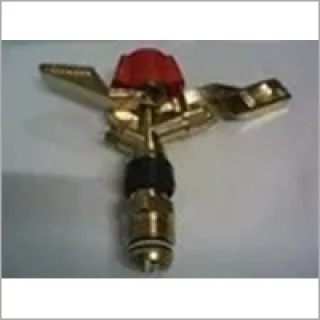
Automate Saaras 3/4″ Plastic Sprinkler | HT-46
Rajagro Udaipur - Store for Agriculture & Gardening Tools · Udaipur, Rajasthan
Price on requestGet best price
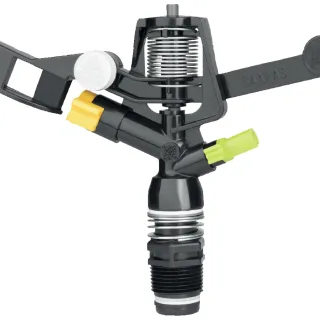
Sprinkler irrigation systems are widely used in agriculture to distribute water evenly across crop fields, orchards, nurseries, gardens, and open farming areas. These systems work by spraying water through sprinkler heads in a controlled pattern, helping farmers maintain proper soil moisture without flooding the field. A well-planned sprinkler setup supports better water use, uniform crop growth, and easier irrigation management across different soil types and crop stages.
On Farm Associate, buyers can explore sprinkler irrigation options suitable for field crops, vegetables, fruit crops, fodder crops, lawns, and protected cultivation areas. Farmers and farm managers can compare different sprinkler types, coverage patterns, pressure requirements, pipe compatibility, and supplier options before making a purchase decision. This category helps connect global farm buyers with irrigation suppliers offering practical sprinkler solutions for modern agriculture.
Frequently asked questions
What is a sprinkler irrigation system?
A sprinkler irrigation system is a farm watering method that sprays water over crops in a rainfall-like pattern. Water moves through pipes under pressure and exits through sprinkler nozzles to cover the crop area evenly. This system is useful for field crops, vegetables, orchards, nurseries, and fodder crops. Farmers use sprinklers to improve water distribution, reduce uneven irrigation, and manage soil moisture more efficiently.
How does sprinkler irrigation work?
Sprinkler irrigation works by pumping water through a pipe network and releasing it through sprinkler heads. The sprinkler breaks the water into droplets and spreads it over the field in a circular or defined spray pattern. The system requires proper pressure, nozzle selection, and layout planning to achieve uniform coverage. Correct spacing between sprinklers helps avoid dry areas and overwatered patches.
Which crops are suitable for sprinkler irrigation?
Sprinkler irrigation is suitable for many crops, including vegetables, cereals, pulses, oilseeds, fodder crops, fruit crops, nurseries, and lawns. It works well where crops need controlled and uniform watering. It is especially useful during germination and early growth stages when light and even moisture is important. Farmers should choose sprinkler type and spray intensity based on crop height, spacing, and water requirement.
What are the main benefits of sprinkler irrigation?
The main benefits of sprinkler irrigation are uniform water distribution, better soil moisture control, reduced water wastage, and flexible field application. It helps farmers irrigate areas where flood irrigation is difficult or inefficient. Sprinklers can also reduce labour needs and improve irrigation scheduling. When designed correctly, they support healthier crop growth and better use of available water resources.
Is sprinkler irrigation better than flood irrigation?
Sprinkler irrigation is more controlled than flood irrigation in many farming conditions. It applies water in measured spray patterns instead of allowing water to flow across the field surface. This helps reduce runoff, uneven watering, and excess water use. Flood irrigation can still suit some crops and soil types, but sprinklers are often preferred where water efficiency and uniform coverage are important.
What should farmers check before buying a sprinkler system?
Farmers should check field size, crop type, water source, pump pressure, soil type, and required coverage area before buying a sprinkler system. They should also compare nozzle size, sprinkler radius, pipe compatibility, operating pressure, and maintenance needs. Supplier support and spare part availability are also important. A properly matched system gives better water distribution and longer service life.
Can sprinkler irrigation save water?
Sprinkler irrigation can save water when the system is designed and used correctly. It applies water more evenly than uncontrolled surface methods and helps reduce over-irrigation. Water savings depend on pressure, nozzle quality, wind conditions, operating time, and field layout. Farmers should avoid irrigation during strong wind and adjust scheduling according to crop stage and soil moisture.