
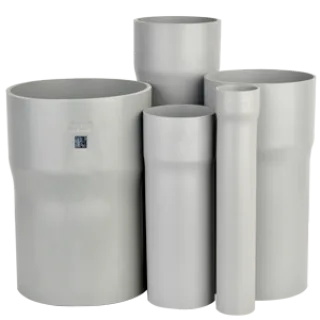
Price on request
Get best price
Pipe
12 products
- Price on requestGet best price
- Price on requestGet best price
- Price on requestGet best price
- Pipe
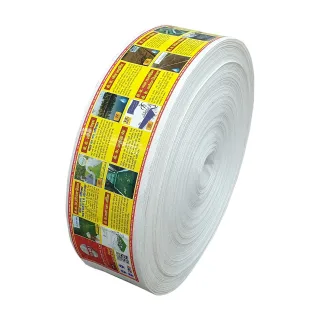
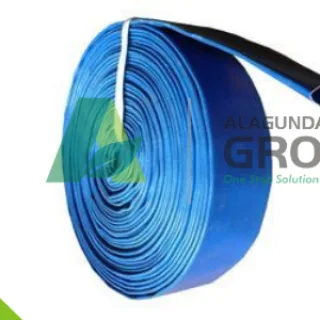
V.K. Sarvottam Heavy Duty HDPE Lapeta Pipe (60 Meter)
V.K. Packwell Private Limited · Kanpur, Uttar Pradesh
₹3,292Get best price - Price on requestGet best price
- Pipe
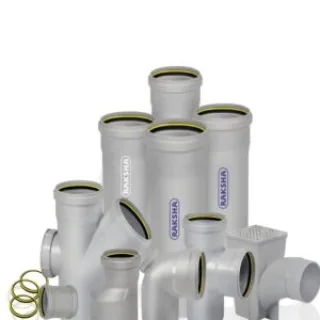
Pressure Pipes
Tulsi Pumps & Power Pvt Ltd : Best Energy Generation Company in Varanasi · Varanasi, Uttar Pradesh
Price on requestGet best price - Price on requestGet best price
- Pipe
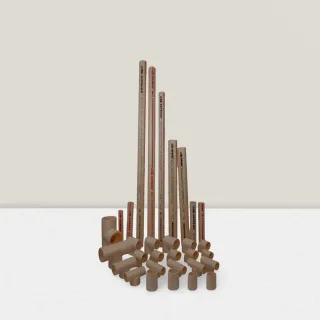
UPVC Pipes Fittings and Solvent Cement
TEXMO PIPES AND PRODUCTS LIMITED · Burhanpur, Madhya Pradesh
Price on requestGet best price - Price on requestGet best price
- Price on requestGet best price
- Price on requestGet best price
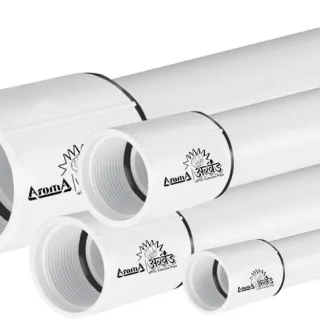
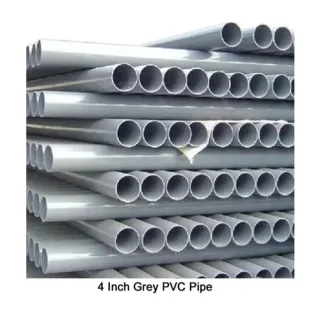
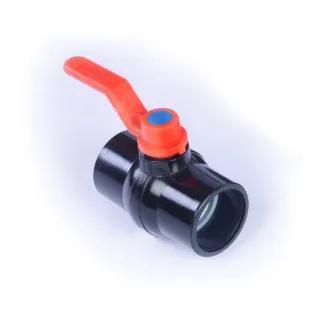
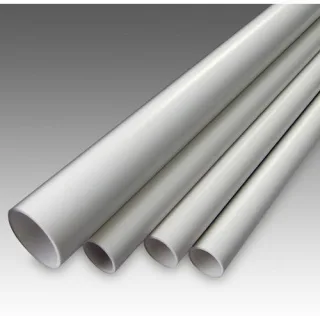
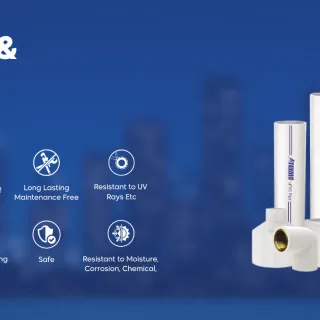
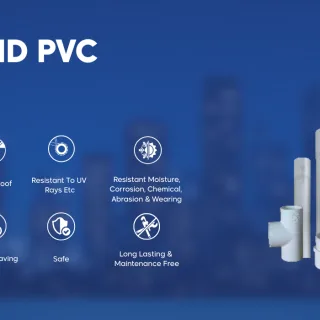
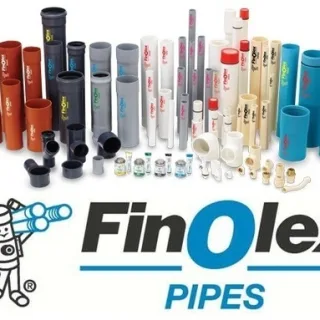
Agricultural pipes are tubes manufactured from a range of materials and sized to convey water, nutrient solutions, and drainage flows across a farm or within an irrigation system. They are the physical network that connects the water source and pump to the fields, beds, or livestock points where water is needed. Pipes are categorised primarily by material. PVC (polyvinyl chloride) pipes are rigid, lightweight, and chemically resistant, available in a wide range of diameters and pressure classes, and are one of the most widely used pipe materials in farm irrigation and water supply. HDPE (high-density polyethylene) pipes are semi-flexible, joined by heat welding for leak-free connections, and excel in underground and long-distance applications because of their resistance to cracking, corrosion, and soil chemicals. GI (galvanised iron) pipes are strong and rigid, used for high-pressure mainlines, borewell riser pipes, and structural supports such as greenhouse frames. Drip lines and lateral pipes are specialised small-diameter tubing with built-in emitters or takeoff points, designed to distribute water along crop rows in drip and micro-irrigation systems. Beyond the pipe itself, every installation requires fittings — elbows, tees, reducers, couplings, end caps, and valves — to join sections, change direction, split flow, and control the system. The right pipe and fittings combination is selected based on the application, operating pressure, burial depth, diameter needed for the required flow, and the expected service life.
Frequently asked questions
What type of pipe is best for farm irrigation?
The best pipe material depends on the specific part of the irrigation system. PVC is widely used for above-ground and shallow-buried mainlines and sub-mains because of its low cost, chemical resistance, and availability in many diameters and pressure classes. HDPE is preferred for underground and long-distance runs because its flexibility, heat-welded joints, and resistance to cracking and corrosion deliver superior durability and leak-free performance below ground. GI pipe is used for high-pressure mainlines and borewell riser pipes. Drip lines and laterals are specialised small-diameter pipes designed for the final water-distribution stage. Most farm irrigation systems use a combination of materials, selecting each for the section it serves best.
What is the difference between PVC and HDPE pipe?
PVC pipe is rigid, lightweight, and joined with solvent-cemented or push-fit connections. It is cost-effective, widely available, and suited to above-ground and moderate-depth buried installations. HDPE pipe is semi-flexible, joined by heat fusion welding that creates a seamless, leak-free joint as strong as the pipe itself. HDPE resists cracking, handles ground movement, and withstands soil chemicals better than PVC, making it the preferred choice for deep burial, long-distance, and high-reliability underground piping. PVC is generally cheaper per metre, while HDPE offers longer service life and lower failure risk underground. The choice depends on whether the pipe will be buried, the operating pressure, and how long you need it to last.
What size pipe do I need for irrigation?
Pipe size depends on the flow rate the system must carry and the acceptable friction loss. A pipe that is too small restricts flow, increases pressure loss, and forces the pump to work harder, wasting energy. A pipe that is too large adds unnecessary material cost. As a general principle, mainlines carrying the full pump output need a larger diameter, while sub-mains and laterals distributing water to individual rows or zones are progressively smaller. The correct size is determined by a hydraulic calculation based on flow rate, pipe length, elevation changes, and the target pressure at the delivery point. Share your flow and layout with the pipe or irrigation supplier for a specific sizing recommendation.
What is pipe pressure rating?
Pipe pressure rating — often expressed in bars, kilograms per square centimetre (kg/cm²), or pounds per square inch (PSI) — indicates the maximum internal pressure the pipe can safely withstand during continuous operation. Agricultural pipes are manufactured in several pressure classes to suit different applications: low-pressure classes for gravity-fed and low-head systems, medium-pressure classes for most drip and sprinkler irrigation, and high-pressure classes for mainlines from powerful pumps and borewell riser pipes. Selecting a pipe with a pressure rating that exceeds the maximum system pressure — including any water-hammer surges — is critical to avoiding pipe failure. The pressure class is typically marked on the pipe itself and stated in the product specifications.
Can PVC pipe be used underground?
PVC pipe can be used underground in many agricultural applications, provided the burial depth, soil conditions, and pipe class are suitable. Standard PVC pipes perform well at shallow-to-moderate burial depths where soil loading is not extreme and where the ground does not shift or settle significantly. For deeper burial, heavy traffic loads, or ground that shifts — and for long-distance mains where a leak-free joint is critical — HDPE pipe is generally the better choice because its flexibility absorbs ground movement and its welded joints are stronger than PVC cement joints under stress. If using PVC underground, select the correct pressure class, protect the pipe from stones and sharp objects in the backfill, and ensure the burial depth provides adequate cover.
What pipe is best for a borewell?
Borewell riser pipes and casing pipes must withstand high pressure, the weight of the water column, and the corrosive conditions inside the well. For the riser pipe that connects the submersible pump to the surface, GI (galvanised iron) pipe is the traditional choice for its strength and pressure resistance. HDPE riser pipe is increasingly popular because it resists corrosion, is lighter and easier to install, and provides a long service life without the rusting issues of metal pipe. The casing pipe that lines the borewell itself is typically made from PVC or steel. The right choice depends on the well depth, pump pressure, water chemistry, and local installation practices — discuss your borewell specifications with the pipe supplier for a specific recommendation.
How long do agricultural pipes last?
The lifespan of agricultural pipes depends on the material, the quality of manufacture, and the installation conditions. Quality PVC pipes typically last 15 to 25 years or more when installed correctly and protected from UV exposure and mechanical damage. HDPE pipes are among the longest-lasting, with expected service lives of 50 years or more underground in many applications, thanks to their resistance to cracking, corrosion, and chemical degradation. GI pipes last 10 to 20 years depending on water quality and corrosion conditions. Drip lines and laterals are thinner and typically have shorter lives, often 3 to 10 years depending on wall thickness and UV exposure. Investing in quality pipe and correct installation extends service life and reduces replacement cost.
What fittings do I need for farm piping?
The fittings you need depend on your pipe layout and how the system branches, turns, and connects. Common fittings include elbows (to change pipe direction at 45° or 90°), tees (to split flow into two directions), reducers (to transition between different pipe diameters), couplings and unions (to join straight pipe sections), end caps (to close off pipe ends), and valves (to control and shut off flow at specific points). Fittings must match the pipe material, diameter, and connection type — PVC fittings for PVC pipe, HDPE fittings for HDPE pipe, and so on. Plan fittings alongside the pipe itself, as they affect both system performance and total cost.