Price on request
Get best price
Harvester
26 products
- Price on requestGet best price
- Potato Harvester
Potato Digger Machine
RAMA JANDU AGRICULTURE WORKS - Potato Grader Manufacturer/Potato Bed Planter Manufacturer · Moga, Punjab
Price on requestGet best price - Potato Harvester
Automatic Potato Digger & Bag Loader
RAMA JANDU AGRICULTURE WORKS - Potato Grader Manufacturer/Potato Bed Planter Manufacturer · Moga, Punjab
Price on requestGet best price - Price on requestGet best price
- Potato Harvester
2 Row Potato Harvester with Centre Discharge
Sabin Enterprises · Mumbai, Maharashtra
Price on requestGet best price
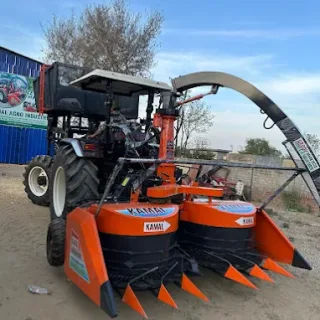
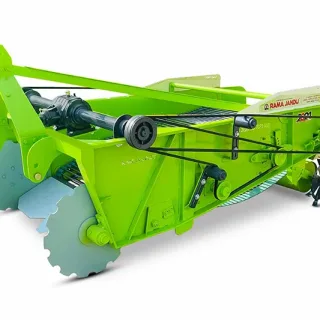
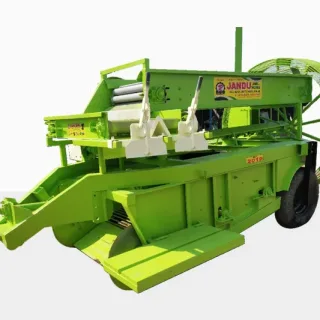
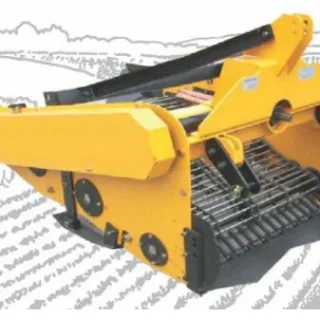
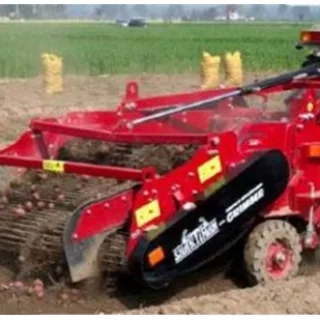
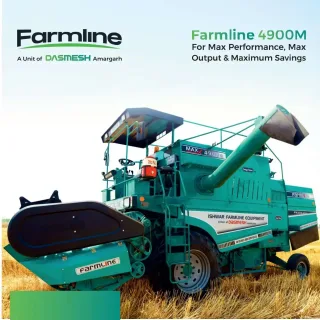
A harvester is an agricultural machine designed to gather mature crops from the field efficiently, performing one or more of the core harvesting operations: cutting (reaping), threshing (separating grain from the plant), and cleaning (separating grain from chaff and straw). The most widely recognised type is the combine harvester, a self-propelled machine that performs reaping, threshing, and cleaning in a single continuous pass across the field — dramatically reducing the labour and time required compared with manual harvesting. Beyond the combine, several other harvester types serve specific needs: multi-crop harvesters can be configured for different grain and pulse crops by changing settings or attachments; crop-specific harvesters are purpose-built for crops such as rice, sugarcane, potatoes, or forage; and compact or mini harvesters are designed for smaller plots, terraced fields, and specialty crops where a full-size combine is impractical. Harvesters are powered either as self-propelled units with their own engine and cab or as tractor-mounted and tractor-drawn implements that draw power from a tractor's power take-off, giving farms of every scale an option suited to their operation.
Frequently asked questions
What is a harvester?
A harvester is an agricultural machine that gathers mature crops from the field, performing one or more core operations: cutting (reaping), threshing (separating grain from the plant), and cleaning (separating grain from chaff). The most common type is the combine harvester, which performs all three in a single self-propelled pass. Other types include multi-crop harvesters, crop-specific machines for rice, sugarcane, or forage, and compact harvesters for small plots. Harvesters dramatically reduce the labour, time, and crop losses associated with manual harvesting, making them one of the most valuable machines on a productive farm.
How does a combine harvester work?
A combine harvester performs three operations in one continuous pass, which is how it gets its name — it "combines" reaping, threshing, and winnowing. First, the header at the front cuts the standing crop and feeds it into the machine. Inside, a threshing drum separates the grain from the straw and husks. The grain is then cleaned through a series of sieves and a fan that blows away the lighter chaff, while a separate system discharges the straw back onto the field or into a baler. The clean grain collects in an onboard tank, which is periodically unloaded into a trailer. This integrated process replaces what was once several separate manual or machine operations.
What is the difference between a harvester and a thresher?
A harvester — specifically a combine harvester — cuts the standing crop in the field and separates the grain in a single self-propelled pass, handling reaping, threshing, and cleaning together. A thresher is a separate machine that only performs threshing: it separates grain from crop material that has already been cut and brought to it. Threshers are common where crops are harvested by hand or where a combine is not economically viable, while combine harvesters suit larger-scale mechanised operations. Many farms use a thresher in combination with manual or small-machine cutting, whereas a harvester consolidates the entire process into one machine.
What types of harvesters are available?
Harvesters fall into several categories based on crop and configuration. Combine harvesters are the most common, used for cereals, pulses, and oilseeds, performing cutting, threshing, and cleaning in one pass. Multi-crop harvesters can be adjusted or fitted with different attachments to harvest a range of crops with one machine. Crop-specific harvesters are purpose-built for crops such as rice (paddy harvesters), sugarcane, potatoes, or forage. Compact and mini harvesters serve small plots, terraced fields, and specialty crops where full-size machines are impractical. Harvesters are also categorised by power source — self-propelled units with their own engine, or tractor-mounted and tractor-drawn implements.
What size harvester do I need for my farm?
The right harvester size depends on your acreage, crop type, and the harvest window available in your region. Smallholdings and fragmented or terraced plots are often best served by compact, mini, or tractor-mounted harvesters that are economical and manoeuvrable. Mid-sized farms typically need a medium-capacity self-propelled or tractor-mounted machine that can clear their fields within the optimal window. Large commercial farms require high-capacity self-propelled combine harvesters with wide headers and large grain tanks to harvest extensive acreage quickly. As a rule, match harvester throughput to the area you must clear before weather or crop maturity causes losses, and consult the supplier for a recommendation based on your specific conditions.
Can one harvester be used for multiple crops?
Yes — multi-crop and combine harvesters can be configured to harvest several different crops, though this usually requires adjusting machine settings such as drum speed, sieve size, and fan speed, and sometimes changing the header or attachments. A single combine harvester can commonly handle wheat, rice, soybean, maize, and other cereals and pulses with the appropriate setup. However, some crops — such as sugarcane, cotton, or certain root and forage crops — require purpose-built harvesters and cannot be processed by a standard grain combine. When buying a harvester intended for multiple crops, confirm with the supplier exactly which crops the machine supports and what changeover is required between them.