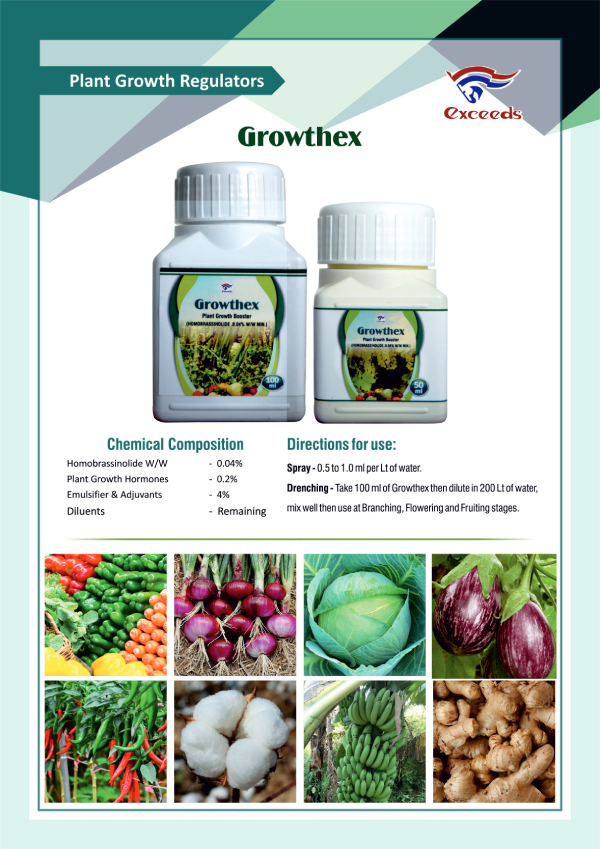
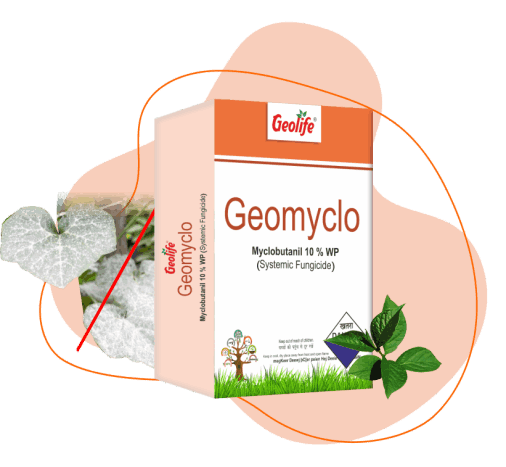
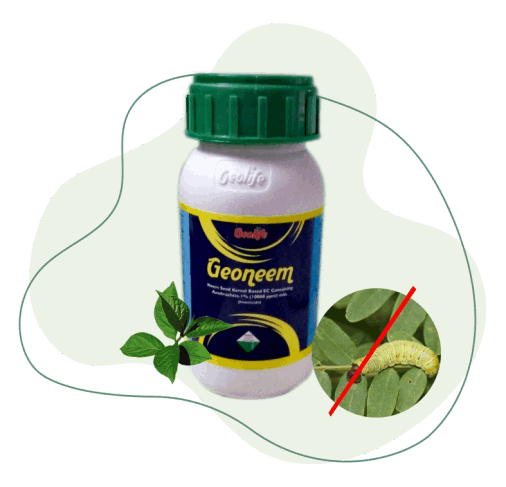
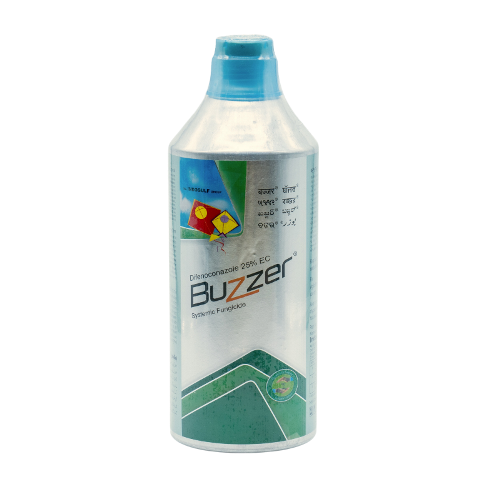
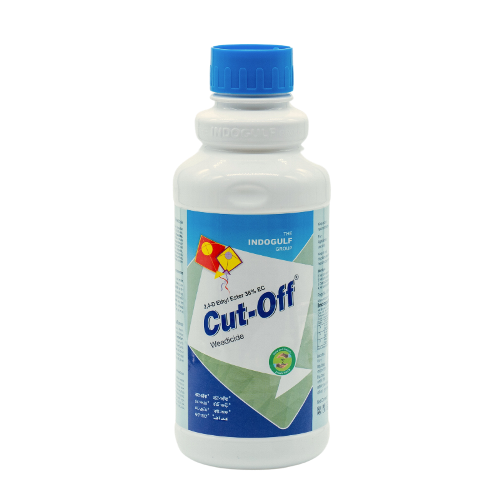
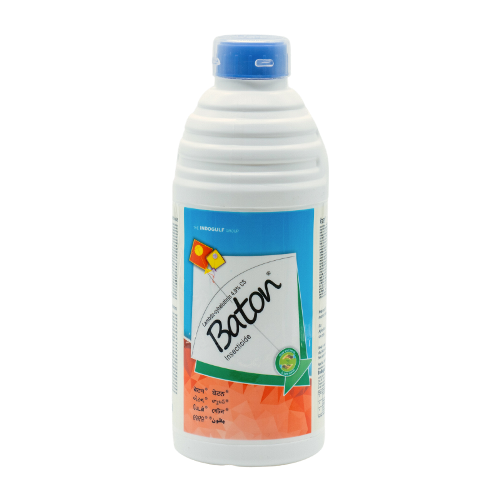
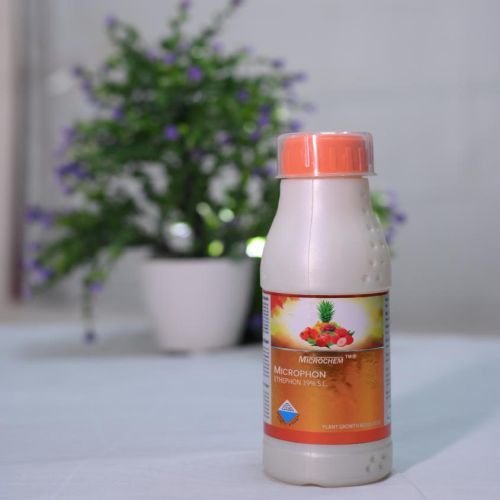
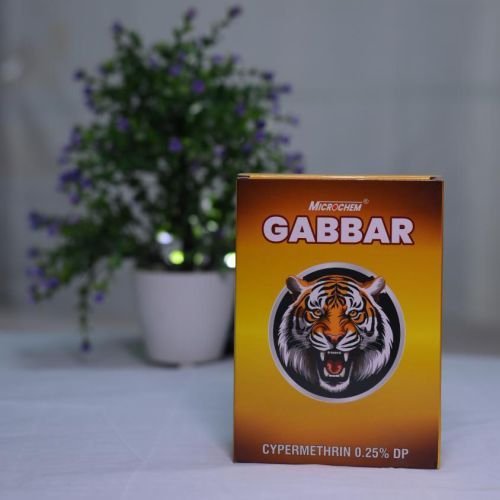
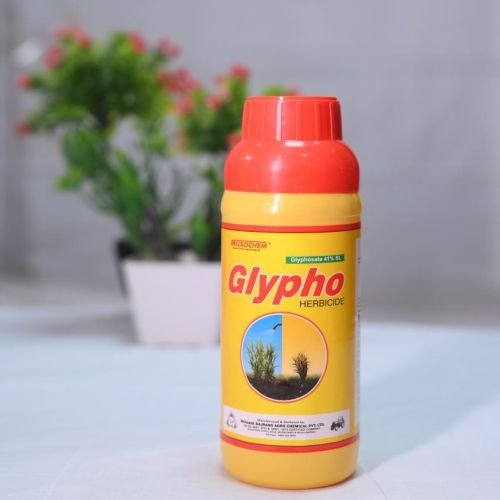
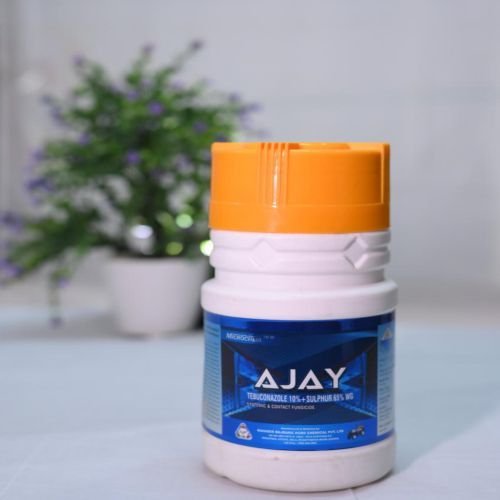
Crop protection products are chemical or biological inputs used to manage and eliminate the organisms that damage agricultural crops. They are broadly divided into several functional categories based on the type of threat they address. Insecticides target insect pests — including sucking insects such as aphids, whiteflies, and thrips, as well as chewing insects that damage leaf, stem, and fruit tissue. Fungicides protect crops against fungal diseases such as powdery mildew, downy mildew, rust, blight, and root rot that can devastate yield and quality. Herbicides manage weed competition that robs crops of nutrients, water, and light — available in pre-emergent formulations applied before weed germination and post-emergent formulations applied to actively growing weeds. Nematicides and soil fumigants address root-damaging soil organisms. Bio-pesticides are a growing category of crop protection inputs derived from living organisms — such as bacteria, fungi, and plant extracts — that control pests and diseases with minimal environmental impact and a favourable residue profile for food safety and export markets. Together, these product types form an integrated toolkit for managing crop health across the entire growing season.
Crop Protection Products — Compare Verified Agricultural Suppliers & Get Free Quotes

Ziko Fungi is a premium organic fungicide designed to protect crops from a wide range of fungal diseases while promoting healthy growth and...
AD
Aditya Crop Care
VerifiedFrequently Asked Questions
Crop protection products are agricultural inputs used to control pests, diseases, and weeds that damage or destroy crops during the growing season. They include insecticides (for insect pest control), fungicides (for fungal diseases), herbicides (for weed management), nematicides (for soil nematodes), and bio-pesticides (derived from natural organisms). Together, these products form a crop health management toolkit that farmers apply at specific growth stages to protect yield, maintain produce quality, and prevent losses that would otherwise significantly reduce farm income. Both chemical and biological formulations are available, and many farms use a combination of both within an integrated pest management programme.
These three terms describe crop protection products by the type of organism they target. A pesticide is the broad category covering all products that control harmful organisms — it includes insecticides, fungicides, herbicides, nematicides, and more. A fungicide is a specific type of pesticide used to prevent or cure fungal diseases such as powdery mildew, blight, rust, and rot in crops. A herbicide is used to kill or suppress unwanted weed plants that compete with crops for water, nutrients, and light. Understanding which product class addresses your specific problem is the first step in selecting the right crop protection input for your farm.
A bio-pesticide is a crop protection product derived from natural materials — typically living microorganisms such as bacteria, fungi, or viruses, or plant-derived compounds. Examples include Trichoderma-based soil fungicides, Bacillus-based insecticides, and botanical extracts that repel or kill insect pests. Bio-pesticides generally have a narrower spectrum of activity than synthetic chemical pesticides, meaning they target specific pests or diseases rather than a broad range of organisms. They typically carry lower toxicity to non-target organisms, shorter pre-harvest intervals, and are preferred in IPM programmes, organic farming, and export supply chains with strict MRL requirements. Chemical pesticides tend to act faster and provide broader coverage but require more careful resistance management.
The timing of crop protection applications depends on the product type, the pest or disease targeted, and the crop growth stage. Preventive fungicides are typically applied before disease pressure builds — often at key growth stages identified by local disease forecasting models. Insecticides are best applied at first detection of pest populations above economic threshold levels, before damage becomes significant. Pre-emergent herbicides are applied before weeds germinate, while post-emergent herbicides are applied when weeds are actively growing at a specific leaf stage. Always follow the product label for crop-specific timing, application rate, and spray interval guidance, and consult your supplier's agronomic team for site-specific advice.
Crop protection products directly protect yield by preventing losses that would otherwise occur from pest, disease, and weed pressure. In unprotected crops, studies across major food crops show yield losses ranging from 20% to over 50% under moderate to severe pest and disease pressure. Effective crop protection programmes prevent a significant portion of these losses from being realised at harvest. In this sense, crop protection does not "create" extra yield — it preserves the yield potential the crop was already capable of achieving. The return on investment from well-timed, correctly selected crop protection inputs is consistently among the highest of any agricultural input decision.
Integrated pest management (IPM) is a crop protection strategy that combines multiple approaches — cultural practices, biological control, monitoring, and targeted chemical or bio-pesticide applications — to manage pest and disease pressure while minimising reliance on synthetic chemistry. Crop protection products are a core tool within IPM, but their application is guided by pest monitoring and economic thresholds rather than calendar-based spray programmes. Within an IPM framework, bio-pesticides are often prioritised in the early stages of a pest outbreak, with synthetic chemicals reserved for situations where biological options have been insufficient. IPM is increasingly required by supermarket supply chains, export certifications, and sustainable farming standards.