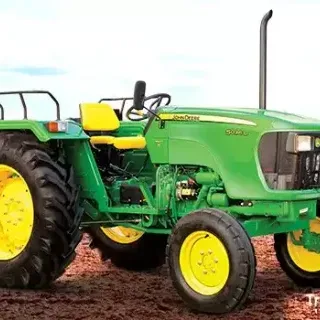
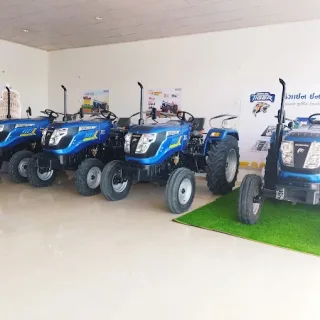
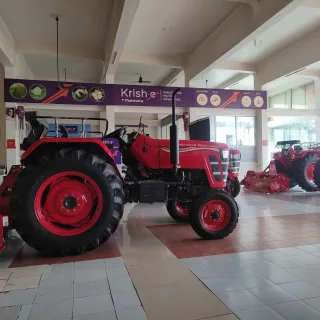
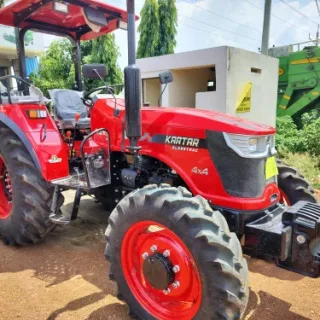
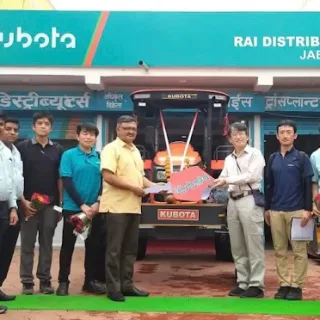
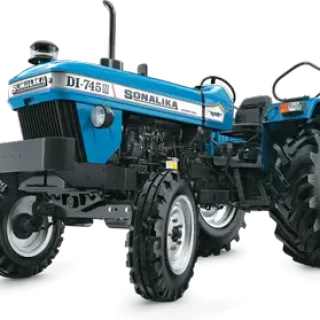
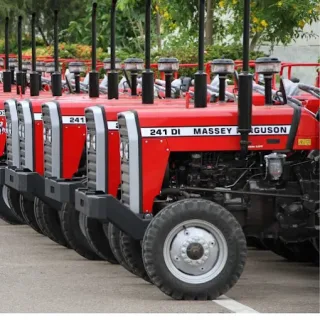
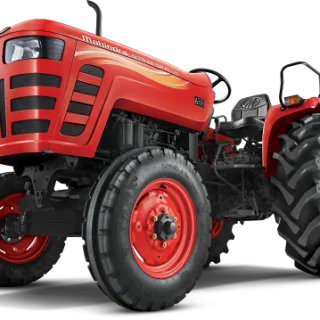
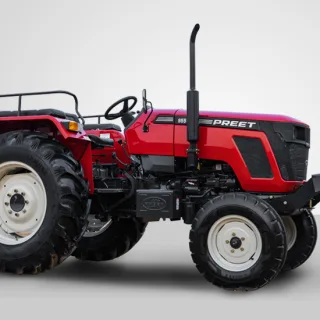
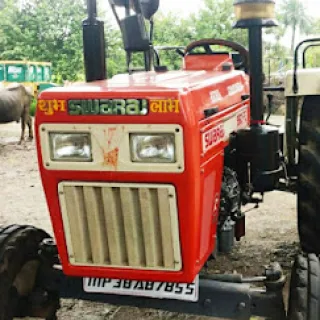
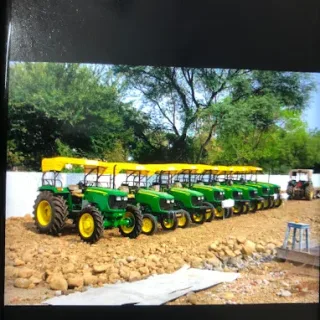
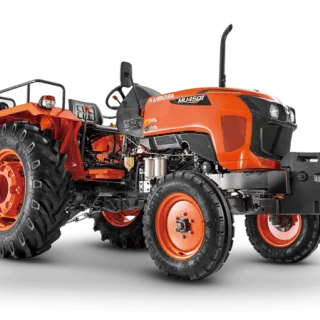
A utility tractor is a versatile agricultural machine designed for daily farm work, field operations, land management, transport, and implement-based tasks. It provides dependable power for farmers who need one tractor to handle multiple jobs such as tillage, hauling, mowing, loading, spraying support, trailer pulling, material movement, livestock work, and general farm maintenance. Utility tractors are widely used in crop farms, mixed farms, orchards, nurseries, livestock units, and rural properties.
This category helps farmers, contractors, growers, equipment dealers, farm service providers, and agricultural buyers explore utility tractors for different work requirements. Buyers compare utility tractors based on power range, transmission type, hydraulic capacity, lifting ability, tyre type, implement compatibility, ground clearance, fuel efficiency, operator comfort, safety features, service support, and supplier reliability.
A clear utility tractor category page helps users understand how utility tractors support farm productivity, which features matter during selection, and how to compare suppliers confidently. The content is globally positioned and suitable for practical agricultural equipment sourcing.
Frequently asked questions
1. What is a utility tractor?
A utility tractor is a multipurpose agricultural tractor used for field work, hauling, mowing, loader tasks, tillage, trailer pulling, livestock support, and general farm maintenance. It is designed to handle many daily and seasonal farm operations with suitable implements and attachments. Utility tractors are useful for crop farms, livestock units, orchards, nurseries, mixed farms, and rural properties. They provide practical power without being limited to one specific task. Buyers should choose a utility tractor based on land size, workload, implement needs, and supplier support.
2. How is a utility tractor used in farming?
A utility tractor is used in farming for soil preparation, hauling, mowing, trailer pulling, loader work, spraying support, crop transport, feed movement, manure handling, orchard maintenance, nursery operations, and general land management. Farmers use it throughout the season because it can support many different tasks. With suitable implements, it can prepare fields, move materials, maintain farm areas, and support harvest logistics. The exact use depends on power range, hydraulic capacity, tyres, and attachment compatibility. Proper matching improves performance and safety.
3. Why are utility tractors important in agriculture?
Utility tractors are important in agriculture because they help farmers complete many jobs with one machine. Farms need regular movement of inputs, crops, feed, tools, equipment, and materials, along with field preparation and maintenance work. A utility tractor reduces manual labor, improves work speed, and supports multiple operations through compatible attachments. It is especially useful for mixed farms, livestock units, orchards, and medium-duty field operations. A reliable utility tractor helps reduce delays and keeps farm work organized during busy seasons.
4. How do farmers choose a utility tractor?
Farmers choose a utility tractor by reviewing farm size, soil condition, field layout, workload, power requirement, implement compatibility, tyre type, hydraulic capacity, and service availability. Buyers should decide whether the tractor will be used mainly for tillage, hauling, mowing, loader work, trailer pulling, livestock support, or mixed farm tasks. The tractor should handle daily work without being underpowered or oversized. Buyers should also compare maintenance access, operator comfort, spare parts, supplier reliability, and delivery options before making an inquiry.
5. What tasks can a utility tractor perform?
A utility tractor can perform soil preparation, tillage, mowing, hauling, trailer pulling, loader work, land leveling, spraying support, crop transport, feed movement, manure handling, orchard work, nursery operations, livestock support, and general farm maintenance. Its task range depends on tractor power, hydraulic performance, hitch compatibility, tyre selection, and available implements. Utility tractors are commonly selected when farmers need flexibility across multiple jobs. Buyers should identify the main tasks before selecting a tractor category to avoid future performance or compatibility issues.
6. What is the difference between a utility tractor and compact tractor?
A utility tractor is generally selected for broader farm work, higher workload, and heavier implement use than a compact tractor. A compact tractor is smaller and easier to maneuver in tight areas such as gardens, small orchards, nurseries, and limited-space properties. Utility tractors usually offer more working capacity for hauling, tillage, loader tasks, and mixed farming. Both categories are useful, but the right choice depends on land size, work intensity, implement requirement, and field conditions. Buyers should match the tractor to actual daily use.
7. Which features matter in a utility tractor?
Important utility tractor features include engine power, transmission system, hydraulic capacity, lifting ability, hitch compatibility, tyre type, ground clearance, fuel efficiency, braking support, operator comfort, safety features, and maintenance access. Buyers should also check whether the tractor can operate required implements such as trailers, loaders, mowers, tillage tools, and other attachments. Field condition matters because wet, uneven, or sloped land needs suitable traction and stability. A practical utility tractor should match current tasks, future needs, and service availability.
We use necessary cookies to run this site. With your permission we also measure visits (our own statistics) to learn which pages help buyers. Privacy policy