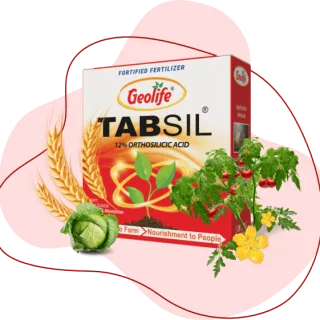
Choosing the right silicon product begins with understanding your crop and how you intend to apply it. First, consider whether your crop is a strong silicon accumulator — rice, sugarcane, wheat, and many grasses take up and benefit from silicon especially strongly, while many broadleaf and horticultural crops also respond well, particularly under disease or drought pressure. Next, match the product form to your application method and goal: soluble silicic acid and stabilised monosilicic acid products are highly plant-available and well suited to foliar application and fertigation for a fast response; potassium silicate provides silicon together with potassium and is popular for foliar and hydroponic use; calcium silicate and slag-based products act as slower-release soil amendments that build soil silicon levels over time and can also correct soil acidity. Consider the plant-availability and silicon concentration of the product, since not all silicon sources are equally soluble or readily taken up — a higher proportion of plant-available silicon means more efficient use. Check compatibility with your existing nutrition and spray programme, as silicon products can vary in pH and tank-mix behaviour. For foliar silicon, correct formulation and timing are important to ensure uptake. Finally, compare verified supplier profiles, product specifications, and ratings on Farm Associate to source genuine, well-documented silicon products from reputable suppliers with the technical support to help you apply them effectively.
Frequently asked questions
What is silicon in agriculture?
In agriculture, silicon refers to plant-available forms of the element — chiefly silicic acid — that crops can absorb through their roots and leaves. Although silicon is abundant in soil, most of it is locked in forms plants cannot use, which is why silicon fertilizers supply it in a soluble, available form. Once absorbed, silicon is deposited in plant cell walls and leaf tissue, where it forms a reinforcing, glass-like layer that strengthens the plant and improves its resistance to disease, pests, drought, and lodging. Silicon is classed as a beneficial element rather than an essential nutrient, but many crops perform markedly better when it is available.
What does silicon do for plants?
Silicon strengthens plants and improves their resilience to stress. After uptake, it is deposited in cell walls and leaf surfaces, where it forms a solid reinforcing layer. This strengthens stems and leaves — reducing lodging and physical damage — and creates a physical barrier that makes it harder for fungal diseases and insects to attack the plant. Silicon also improves tolerance to drought, heat, salinity, and soil toxicity by helping the plant manage water and stress more efficiently. The overall effect is a stronger, healthier, more resilient crop that can better withstand the pressures that reduce yield and quality, often with reduced reliance on chemical inputs.
Is silicon an essential plant nutrient?
Silicon is generally classified as a beneficial element rather than an essential plant nutrient. The distinction is that plants can complete their life cycle without silicon, so it does not meet the strict definition of an essential nutrient like nitrogen, phosphorus, or potassium. However, extensive research shows that many crops perform significantly better when supplied with plant-available silicon — with stronger tissue, better disease and pest resistance, and improved stress tolerance. For certain crops known as silicon accumulators, such as rice and sugarcane, silicon is so beneficial that it is treated as a near-essential input in high-yield production systems. Its beneficial status does not diminish its practical value to farmers.
Which crops benefit most from silicon?
Crops known as silicon accumulators benefit most strongly, because they take up and deposit silicon in large amounts. These include rice, sugarcane, wheat, barley, maize, and many other grasses and cereals, where silicon improves standability, disease resistance, and yield. Beyond the accumulators, many horticultural and broadleaf crops also respond well to silicon — including cucurbits (cucumber, melon, squash), tomatoes, grapes, strawberries, and ornamentals — particularly under disease pressure such as powdery mildew, or under drought and heat stress. While almost any crop can gain some benefit, the strongest and most reliable responses are seen in accumulator crops and in high-value horticulture grown under stress conditions.
How does silicon improve disease resistance?
Silicon improves disease resistance mainly through a physical mechanism. After the plant absorbs silicon, it deposits it in and beneath the leaf surface and in cell walls, forming a hard, reinforced barrier. This barrier makes it physically harder for fungal pathogens to penetrate the plant tissue and establish infection — providing protection against diseases such as powdery mildew, rice blast, and various leaf spots. Silicon is also believed to stimulate the plant's own natural defence responses, helping it react faster and more effectively to attack. The result is reduced disease incidence and severity, which can lower the need for fungicide applications and support integrated and sustainable crop protection programmes.
Does silicon increase crop yield?
Silicon can increase crop yield, particularly under stress conditions and in silicon-accumulating crops. It does this indirectly by protecting yield potential: stronger stems reduce lodging and harvest losses, improved disease and pest resistance protect the crop from damage, and better drought and heat tolerance keep the crop productive under stress. In silicon accumulators such as rice and sugarcane, silicon application has been associated with measurable yield increases in many studies, especially in soils low in plant-available silicon. The size of the yield benefit depends on the crop, the existing soil silicon level, and the degree of stress the crop faces — with the greatest gains seen where silicon is deficient and stress pressure is high.
How do I apply silicon to crops?
Silicon can be applied to crops in several ways depending on the product form and goal. Soluble silicon products such as silicic acid and potassium silicate are commonly applied as foliar sprays for a fast response, or through fertigation and hydroponic systems to supply silicon at the root zone. Slower-release soil amendments such as calcium silicate are incorporated into the soil before or at planting to build soil silicon levels over time. For foliar applications, correct formulation, dilution, and timing are important to ensure good uptake and avoid leaf scorch. Always follow the product label for the recommended rate, method, and timing for your specific crop, and seek supplier guidance where needed.
What is the best form of silicon for plants?
The best form of silicon depends on your crop, application method, and objective. Soluble silicic acid and stabilised monosilicic acid are the most readily plant-available forms, making them highly efficient for foliar sprays and fertigation where a quick, effective response is needed. Potassium silicate is widely used for foliar and hydroponic application and supplies potassium alongside silicon. Calcium silicate and slag-based products are slower-release soil amendments that build soil silicon over time and can also help correct soil acidity. There is no single best form for every situation — the right choice balances plant availability, your application system, cost, and any additional nutrients the product supplies.
We use necessary cookies to run this site. With your permission we also measure visits (our own statistics) to learn which pages help buyers. Privacy policy