
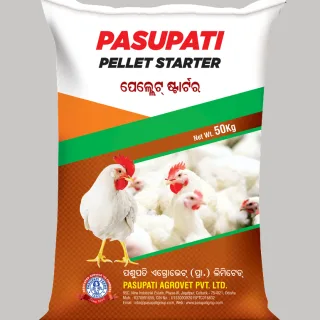
Price on request
Get best price
Poultry Feed Supplements
2 products
- Price on requestGet best price
Frequently asked questions
1. What are poultry feed supplements?
Poultry feed supplements are nutritional support inputs added to regular poultry feed or water to help improve nutrient balance and flock performance. They are used along with complete feed, clean water, hygiene, and good farm management. These supplements can support minerals, vitamins, amino acids, digestion, feed efficiency, growth, egg production potential, and immunity depending on the nutrient focus. They are not replacements for balanced feed or veterinary care. Buyers should select supplements based on bird type, age, feeding system, nutrient need, and supplier guidance.
2. Why are poultry feed supplements important?
Poultry feed supplements are important because birds need balanced nutrition during growth, laying, breeding, seasonal stress, feed changes, and high production demand. Regular feed quality can vary, and some nutrients may become insufficient under farm conditions. Supplements help fill selected nutritional gaps when used correctly. Better nutrition supports growth consistency, feed utilization, egg shell quality, immunity, and flock uniformity. Farmers should use supplements as part of a complete feeding program, not as a substitute for poor feed quality, hygiene, or management.
3. How do poultry feed supplements support bird nutrition?
Poultry feed supplements support bird nutrition by supplying specific nutrients that may be low or inconsistent in regular feed. Depending on the supplement category, they can support mineral balance, vitamin intake, amino acid supply, gut function, feed efficiency, energy use, or general flock condition. This helps birds maintain daily body functions and production performance. The benefit depends on correct selection, proper dosage, base feed quality, water access, and farm management. Buyers should review flock stage and feeding practices before choosing a supplement.
4. Do poultry feed supplements support egg production?
Poultry feed supplements support egg production potential when layer birds have nutritional gaps and the supplement is used correctly within a balanced feeding program. Egg production depends on genetics, age, light management, health, feed quality, water intake, housing comfort, and nutrient balance. Supplements can support minerals, vitamins, calcium balance, and general bird condition needed for laying performance and shell quality. They do not work alone or replace complete feed and management. Farmers should select layer-focused support according to flock requirement and feeding guidance.
5. How do farmers choose poultry feed supplements?
Farmers choose poultry feed supplements by checking bird type, age, growth stage, laying status, feed quality, water quality, flock condition, farm environment, and production goal. They should compare nutrient focus, feeding method, dosage guidance, palatability, packaging, storage requirement, safety details, and supplier reliability. A supplement should solve a practical nutrition need rather than be selected only by price. Farmers should also avoid overuse and follow recommended feeding directions. Clear flock details help suppliers guide buyers toward suitable supplement categories.
6. What nutrients are important for poultry birds?
Poultry birds need energy, protein, amino acids, minerals, vitamins, clean water, and balanced feeding schedules for good performance. Amino acids support growth and body development. Minerals support bones, metabolism, egg shell quality, and body functions. Vitamins support immunity, growth, reproduction, and general health. Energy and protein support daily activity and production. Supplements may focus on one or more of these areas, but overall ration balance remains important. Farmers should evaluate the full feeding program before adding supplements to avoid unnecessary or unbalanced use.
7. When should poultry feed supplements be used?
Poultry feed supplements should be used when there is a nutritional need, feed gap, production demand, stress condition, or stage-based requirement in the flock. Common situations include early chick growth, broiler development, layer production, breeder management, seasonal stress, feed transition, or reduced feed efficiency. Supplements should be introduced according to feeding guidance and farm conditions. They should not be used blindly or in excessive quantity. Farmers should observe bird condition, base feed quality, water intake, and production goals before choosing a supplement.