
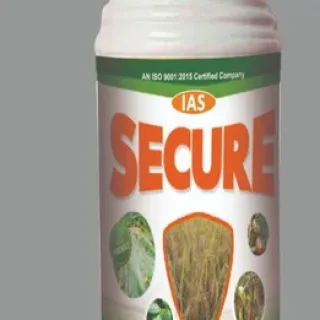
Price on request
Get best price
Organic Pesticides
1 product
Organic pesticides are pest and disease control products made from natural materials — plant, microbial, or mineral in origin — rather than from synthetic chemical processes. They are designed to manage the organisms that damage crops while breaking down quickly into harmless components and leaving minimal residue. Organic pesticides fall into several main categories. Botanical pesticides are derived from plants and plant extracts — neem is the most widely used, alongside pyrethrin from chrysanthemum flowers and various plant oils — and work by repelling, disrupting, or killing target pests. Microbial pesticides, often called bio-pesticides, use living microorganisms such as bacteria, fungi, and viruses to control pests and diseases; well-known examples include Bacillus thuringiensis for caterpillars, Trichoderma for soil-borne fungal diseases, and microbial larvicides. Mineral-based organic pesticides include products such as sulphur and copper-based fungicides and naturally occurring substances that control disease and pests. Each type targets specific pests or diseases through a specific mode of action — physical, biological, or biochemical — and is selected according to the crop and the problem being addressed. Because they are derived from natural sources and generally have a narrower spectrum of activity, organic pesticides tend to be gentler on beneficial insects and the wider environment than broad-spectrum synthetic products.
Frequently asked questions
What are organic pesticides?
Organic pesticides are pest and disease control products made from natural materials — plant, microbial, or mineral in origin — rather than from synthetic chemical processes. They control the same pests and diseases as conventional products, including insects, mites, and fungal pathogens, but break down quickly and leave minimal residue. The main types are botanical pesticides such as neem and pyrethrin, microbial bio-pesticides such as Bacillus thuringiensis and Trichoderma, and mineral-based products such as sulphur and copper. Organic pesticides are central to organic-certified production, integrated pest management, and any farming system supplying premium or export markets with strict residue requirements.
Are organic pesticides effective?
Yes, organic pesticides are effective when used correctly, though they often work differently from synthetic products. Many are more targeted, acting on specific pests rather than a broad range, and some act more slowly, so they reward early, proactive, well-timed application before pest populations build up. Used within an integrated pest management programme — combined with monitoring, cultural practices, and good timing — organic pesticides provide reliable control of insects, mites, and diseases across a wide range of crops. Their effectiveness depends on correct pest identification, matching the right product to the target, and applying at the recommended rate, coverage, and timing.
What is the difference between organic and chemical pesticides?
Organic pesticides are derived from natural sources — plants, microorganisms, or minerals — and break down quickly into harmless components with minimal residue. Synthetic chemical pesticides are manufactured compounds that often act faster and across a broader range of pests, but can leave longer-lasting residues and may affect non-target organisms. Organic pesticides tend to be more targeted, gentler on beneficial insects, and are permitted in organic farming, while synthetic pesticides offer broad, fast-acting control suited to high pest pressure. Many farms use organic pesticides as a first line of defence within an integrated programme, reserving synthetic options for situations where they are genuinely needed.
Are organic pesticides safe?
Organic pesticides are generally considered safer than synthetic alternatives because they are derived from natural materials, break down quickly, and leave minimal residue — but "organic" does not automatically mean harmless. They are still pest-control products and must be handled, applied, and stored according to their label instructions, at the correct rate, and with appropriate protective equipment. Used as directed, organic pesticides have favourable safety profiles for the applicator, the produce, beneficial insects, and the environment. As with any input, observe any pre-harvest intervals and follow the product label and local regulations to ensure safe, compliant use, particularly for crops destined for sensitive or export markets.
What is a bio-pesticide?
A bio-pesticide is a type of organic pesticide derived from living organisms — typically microorganisms such as bacteria, fungi, or viruses, or substances they produce. Common examples include Bacillus thuringiensis, which controls caterpillars and larvae; Trichoderma, used against soil-borne fungal diseases; and various microbial larvicides. Bio-pesticides work through biological mechanisms — infecting, disrupting, or outcompeting the target pest or pathogen — and generally have a narrow, targeted spectrum of activity, meaning they affect the intended pest while sparing beneficial insects. They are widely used in organic farming, integrated pest management, and export-oriented production because of their low residue and favourable environmental profile.
Can organic pesticides be used in certified organic farming?
Many organic pesticides are approved for use in certified organic farming, but approval depends on the specific product and your certification standard. Certified organic production permits a defined list of natural pest-control inputs — including many botanical products such as neem and pyrethrin, microbial bio-pesticides, and certain mineral-based products such as copper and sulphur — while prohibiting synthetic pesticides. The exact approved list varies by certification body and region. Before applying any organic pesticide to a certified organic crop, always confirm that the product carries the appropriate certification or approval for your specific standard, and verify its status with your certification body to maintain compliance and protect your certification.
How do organic pesticides fit into integrated pest management (IPM)?
Organic pesticides are a core tool within integrated pest management, a strategy that combines monitoring, cultural practices, biological control, and targeted treatments to manage pests while minimising chemical use. Within an IPM programme, organic and bio-pesticides are often the preferred first response when pest populations reach action thresholds, because they control the target pest while sparing beneficial insects and natural predators. This preserves the natural balance that keeps pest pressure in check and reduces the total number of treatments needed over a season. Reserving stronger interventions for genuine necessity, and leading with organic options, is increasingly required by sustainable farming standards and premium supply chains