
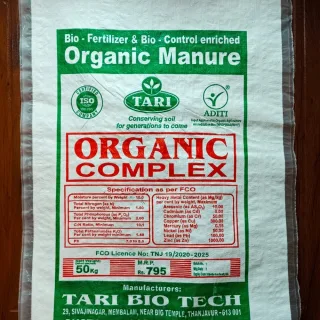
Price on request
Get best price
Organic Fertilizers
40 products
- Price on requestGet best price
- Organic Fertilizers
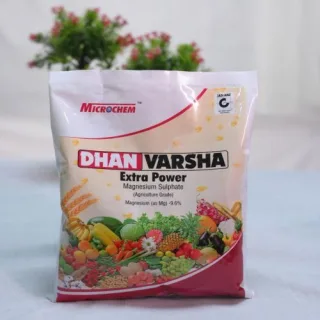
Dhan Varsha Magnesium Sulphate Fertilizer
Mahabir Bajrang Agro chemical Pvt. Ltd. · Patna, Bihar
Price on requestGet best price - Price on requestGet best price
- Price on requestGet best price
- Organic Fertilizers
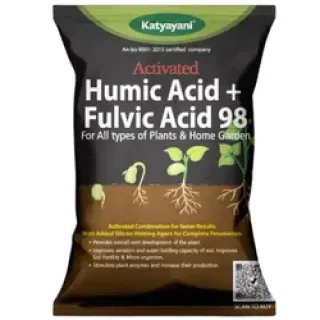
Katyayani Activated Humic Acid + Fulvic Acid 98 | Organic Fertilizer | 10 kg
Toolsvilla · Durgapur, West Bengal
Price on requestGet best price - Organic Fertilizers
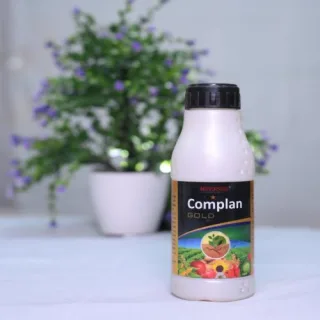
Complan Gold Liquid Organic Fertiliser
Mahabir Bajrang Agro chemical Pvt. Ltd. · Patna, Bihar
Price on requestGet best price - Organic Fertilizers
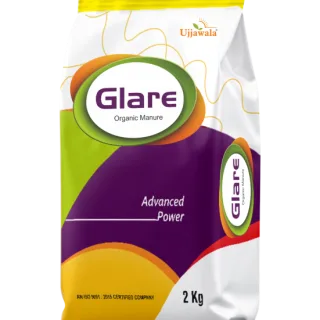
Ujjawala Glare
Ujjawala Chemical And Fertilizers company in Jaipur, chemical company in Jaipur, pesticides company in jaipur · Jaipur, Rajasthan
Price on requestGet best price - Price on requestGet best price
- Price on requestGet best price
- Price on requestGet best price
- Price on requestGet best price
- Price on requestGet best price
- Price on requestGet best price
- Price on requestGet best price
- Price on requestGet best price
- Price on requestGet best price
- Price on requestGet best price
- Price on requestGet best price
- Organic Fertilizers
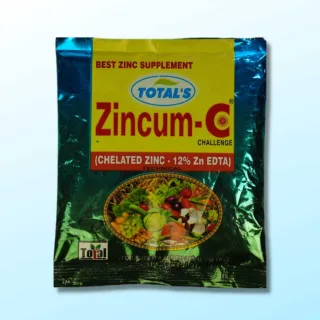
ZINCUM-C CHALLENGE (ZINC EDTA- 12%)
Total Agri Care Concern Pvt Ltd · Kolkata, West Bengal
Price on requestGet best price
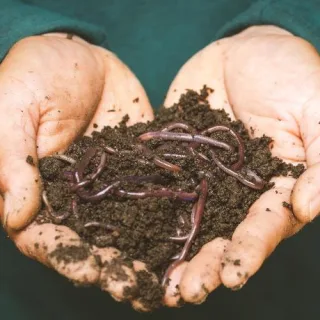

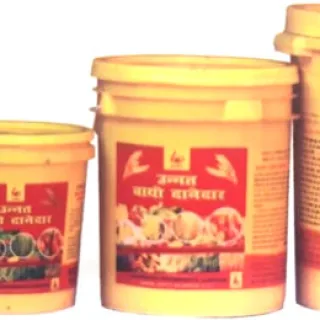
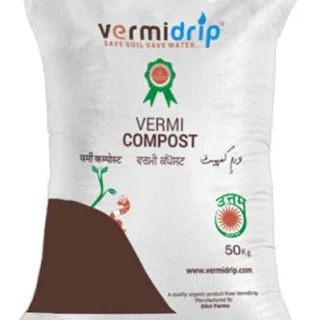
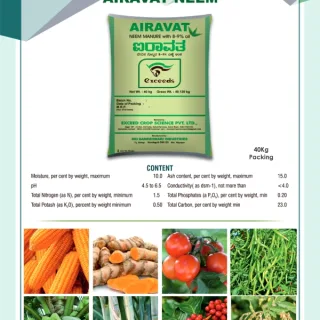
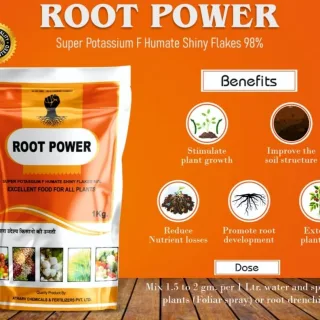
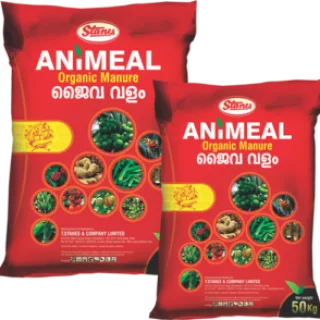
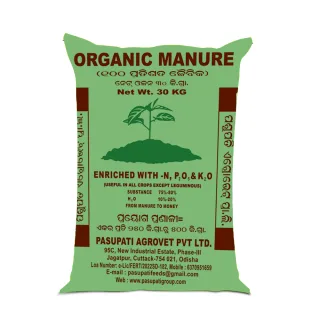
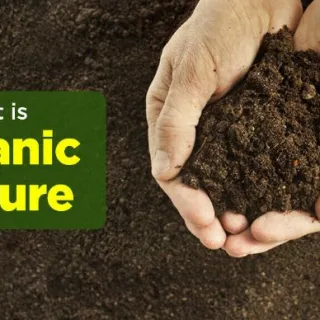
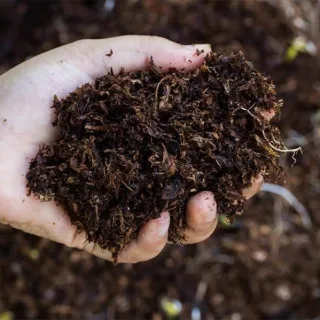
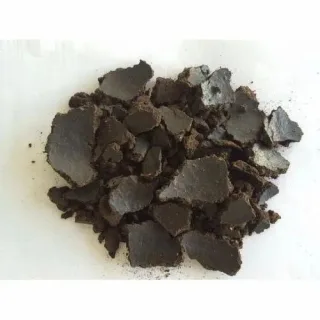
Organic fertilizers are soil and crop nutrition inputs made from natural materials of plant, animal, or mineral origin, rather than from synthetic chemical processes. They supply crops with the same essential nutrients as conventional fertilizers — nitrogen, phosphorus, potassium, and a wide range of secondary and micronutrients — but in a form bound within organic matter that must be broken down by soil microorganisms before the nutrients become available to plant roots. This natural release process is slower and steadier than synthetic fertilizers, reducing the risk of nutrient leaching and root burn. Common categories of organic fertilizer include composted plant and food waste, farmyard and poultry manure, vermicompost produced by earthworms, bone meal and blood meal from animal by-products, oilseed cakes such as neem and castor, rock-based mineral amendments, and marine-derived products such as seaweed and fish emulsion. Beyond supplying nutrients, organic fertilizers add organic matter to the soil, feed beneficial microbial and fungal communities, and improve soil structure, aeration, and moisture retention over time.
Frequently asked questions
What is organic fertilizer?
Organic fertilizer is a crop nutrition input made from natural materials of plant, animal, or mineral origin — such as compost, animal manure, vermicompost, bone meal, oilseed cakes, and seaweed — rather than from synthetic chemical processes. It supplies essential nutrients including nitrogen, phosphorus, potassium, and micronutrients in a form bound within organic matter, which soil microorganisms break down gradually to release nutrients to crop roots. Beyond feeding the crop, organic fertilizer adds organic matter to the soil, supports beneficial microbial life, and improves soil structure, water retention, and long-term fertility.
What is the difference between organic and chemical fertilizers?
Chemical (synthetic) fertilizers are manufactured to deliver nutrients in a concentrated, immediately plant-available form, acting quickly and at lower cost per unit of nutrient. Organic fertilizers are derived from natural biological materials and release nutrients slowly as soil microorganisms decompose them. The key difference is that organic fertilizers feed both the crop and the soil — building organic matter, improving structure, and supporting microbial life — while chemical fertilizers supply nutrients to the crop alone. Organic fertilizers reduce leaching and burn risk and are required for certified organic production, whereas chemical fertilizers offer faster, more precisely controlled nutrient delivery for intensive systems.
What are examples of organic fertilizers?
Common organic fertilizers fall into several groups based on their source. Plant-based options include compost, green manure, and oilseed cakes such as neem and castor. Animal-based options include farmyard manure, poultry manure, bone meal, and blood meal. Vermicompost is produced by earthworms breaking down organic waste and is prized for its balanced nutrient profile and microbial richness. Marine-derived options include seaweed extracts and fish emulsion, which supply micronutrients and natural growth promoters. Mineral-based organic amendments include rock phosphate and gypsum. Most farms use a combination of these sources to match their crops' nutrient needs and their soil's condition.
Is organic fertilizer better for soil than chemical fertilizer?
Organic fertilizer offers significant long-term soil health advantages over chemical fertilizer. By adding organic matter and feeding soil microorganisms, organic fertilizers improve soil structure, water infiltration and retention, and biological activity — building a more resilient and naturally fertile soil over time. Chemical fertilizers supply nutrients efficiently but do not add organic matter and, if used exclusively over many years, can contribute to declining soil organic carbon and microbial diversity. That said, organic fertilizers act more slowly and supply nutrients at lower concentrations. Many farms achieve the best results by combining organic fertilizers for soil-building with targeted chemical inputs for precise nutrient correction.
When should I apply organic fertilizer to my crops?
Because organic fertilizers release nutrients slowly, they are most effective when applied ahead of crop demand. Many organic fertilizers — particularly composts and manures — are best incorporated into the soil before planting or during land preparation, giving soil microorganisms time to begin breaking them down so nutrients are available when the crop needs them. For longer-season crops, additional top-dressing applications can be made during active growth. Well-decomposed materials release nutrients faster than raw inputs, so adjust timing to the maturity of the product. Always follow the supplier's application guidance for your specific crop, soil type, and the organic fertilizer source.
Does organic fertilizer increase crop yield?
Organic fertilizer increases crop yield by supplying essential nutrients and progressively improving the soil's natural fertility. In the first season, yield responses may be more gradual than with fast-acting chemical fertilizers, because nutrients are released slowly as organic matter decomposes. However, the cumulative effect of organic fertilizer use is substantial: as soil organic matter, microbial activity, and water-holding capacity improve over successive seasons, the soil becomes more productive and resilient, supporting consistent yields with reduced input dependency. For farms supplying premium and certified organic markets, organic fertilizers also enable access to higher-value pricing that improves overall profitability beyond yield alone.