
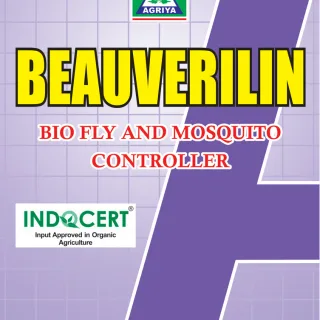
Price on request
Get best price
Insecticides
43 products
- Price on requestGet best price
- Insecticides
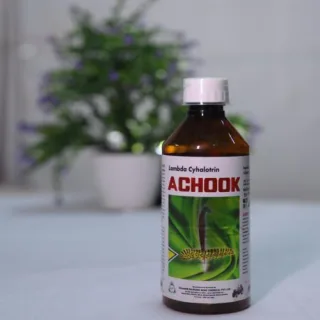
Achook Lambda Cyhalothrin 5% Ec Insecticide
Mahabir Bajrang Agro chemical Pvt. Ltd. · Patna, Bihar
Price on requestGet best price - Insecticides
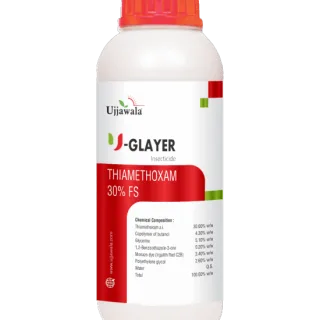
U-Glayer
Ujjawala Chemical And Fertilizers company in Jaipur, chemical company in Jaipur, pesticides company in jaipur · Jaipur, Rajasthan
Price on requestGet best price - Insecticides
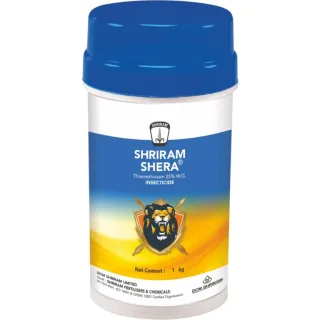
Shriram Shera
Shriram Farm Solutions - Fertiliser Centre Kheti Khad Beej Bhandar in Batala · Batala, Punjab
Price on requestGet best price - Insecticides
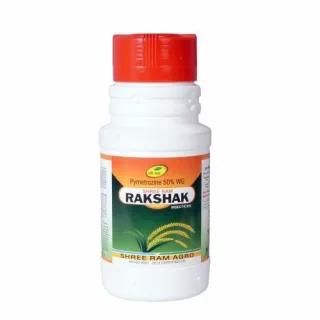
Shree Ram Rakshak (Pymetrozine 50% WG)
JAI SHREE RAM AGRO PRIVATE LIMITED · Karnal, Haryana
Price on requestGet best price - Price on requestGet best price
- Price on requestGet best price
- Price on requestGet best price
- Price on requestGet best price
- Insecticides
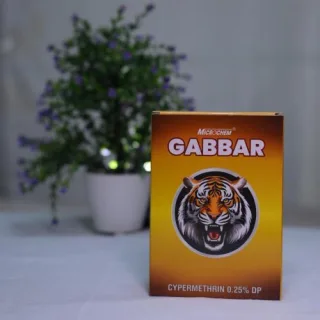
Gabbar Cypermethrin 0.25% Dp Insecticide
Mahabir Bajrang Agro Chemical Pvt Ltd · Muzaffarpur, Bihar
Price on requestGet best price - Price on requestGet best price
- Insecticides
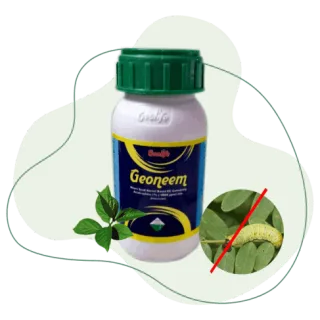
Geoneem 10000 PPM
Geolife Authorised Dealer - Sri Channaveer Agro Agencies-Nehru Guni · Kalaburagi, Karnataka
Price on requestGet best price - Price on requestGet best price
- Price on requestGet best price
- Insecticides
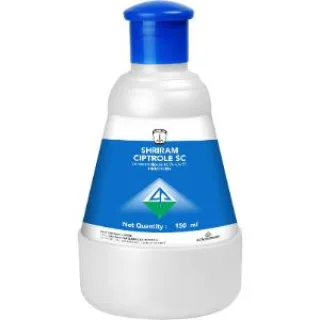
Shriram Ciptrole SC
Shriram Farm Solutions - Bharat Agriculture Seed & Fertilizer Store in Aligarh · Aligarh, Uttar Pradesh
Price on requestGet best price - Price on requestGet best price
- Price on requestGet best price
- Insecticides
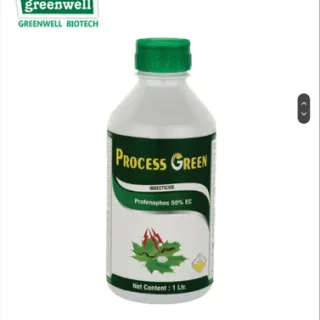
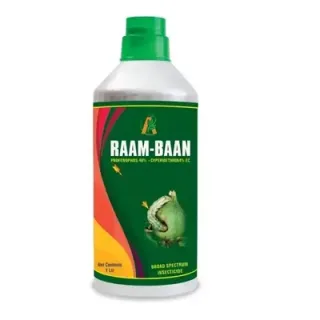
PROFENOPHOS 40% + CYPERMETHRIN 4% EC
ABHAYAM CROPSAFE PRIVATE LIMITED · Ankleshwar, Gujarat
Price on requestGet best price - Price on requestGet best price
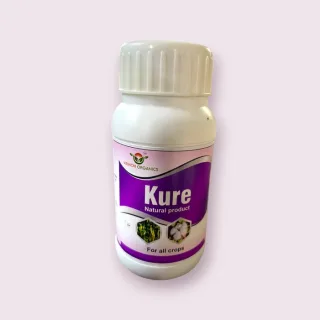
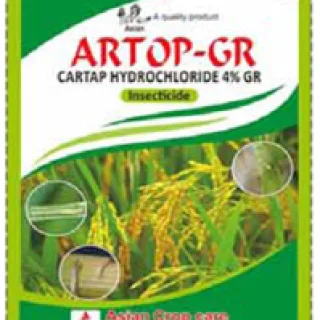
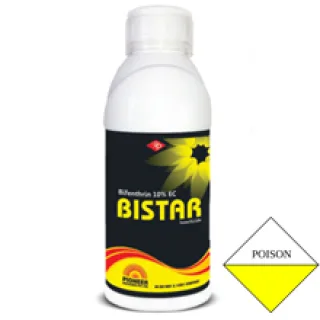
Insecticides are important crop protection inputs used to manage harmful insects that damage leaves, stems, roots, flowers, fruits, grains, and pods. Farmers use insecticides to protect crops from sucking pests, chewing pests, borers, larvae, and other insect problems that reduce plant health and yield quality. When pest pressure is not managed at the right time, crops lose growth strength, photosynthesis capacity, flowering quality, fruit setting, and marketable output.This category helps farmers, growers, agri-input buyers, crop consultants, dealers, and suppliers explore insecticides for different crop protection needs. Insecticides are used across vegetables, fruits, pulses, oilseeds, cereals, spices, plantation crops, greenhouse crops, and horticulture systems. They support timely pest management and help maintain healthier crop development throughout the growing season.
Frequently asked questions
What are insecticides?
Insecticides are crop protection inputs used to control harmful insects that damage plants and reduce yield quality. They are used against pests that feed on leaves, stems, roots, flowers, fruits, grains, and pods. Insecticides help farmers protect crop growth by reducing pest pressure during important growth stages. They are used in vegetables, fruits, field crops, plantation crops, greenhouse crops, and horticulture systems. Buyers should choose insecticides according to pest type, crop stage, application method, and responsible pest management guidance.
How do insecticides work in crops?
Insecticides work by affecting insect pests through contact, ingestion, systemic movement, biological action, or life-stage disruption. Contact insecticides act when pests come in direct contact with treated surfaces. Systemic insecticides move within plant tissues and control pests feeding on the crop. Some insect control categories target larvae, eggs, or adult insects. The working method depends on the insecticide type and pest problem. Farmers should identify the pest correctly before choosing an insecticide category for better control and safer crop protection.
When should insecticides be applied?
Insecticides should be applied when pest monitoring shows active infestation or when the crop reaches a stage that is vulnerable to pest attack. Early pest detection helps control insects before damage becomes severe. Application timing depends on pest type, crop stage, weather conditions, pest population, and crop safety requirements. Flowering and fruiting stages need careful pest management because insect damage at these stages affects yield and market quality. Farmers should follow label guidance, safety instructions, and recommended application intervals before use.
Which crops benefit from insecticides?
Vegetables, fruits, cereals, pulses, oilseeds, spices, flowers, plantation crops, greenhouse crops, and horticulture crops benefit from insecticide-based pest management. Each crop attracts different pest groups depending on season, location, crop stage, and growing conditions. Leafy crops need protection from leaf-feeding insects, fruit crops need protection from borers and sucking pests, and field crops need protection from pests that attack stems, pods, grains, and roots. Buyers should select insecticides according to the crop and the specific pest problem.
What is the difference between insecticides and pesticides?
Insecticides are a specific type of pesticide used mainly for insect pest control. Pesticides is a broader term that includes different crop protection categories such as insect control, fungal disease control, weed control, mite control, and other pest management inputs. In simple terms, all insecticides are pesticides, but not all pesticides are insecticides. Farmers should choose insecticides only when the crop problem is caused by insects. Correct identification prevents wrong input selection and improves crop protection results.
Do insecticides improve crop yield?
Insecticides improve yield protection by reducing pest damage during important crop growth stages. They do not create yield alone, but they protect the crop’s existing yield potential by controlling insects that reduce plant health, flowering, fruit setting, grain filling, and market quality. When pests are controlled at the right time, plants maintain better growth and produce more uniform harvests. The strongest results come from correct pest identification, timely application, proper coverage, and integration with good crop nutrition and field management.