
Price on request
Get best price
Fungicide
11 products
- Price on requestGet best price
- Fungicide
Ajay Tebuconazole 10% + Sulphur 65% Wg
Mahabir Bajrang Agro Chemical Pvt Ltd · Muzaffarpur, Bihar
Price on requestGet best price - Price on requestGet best price
- Fungicide
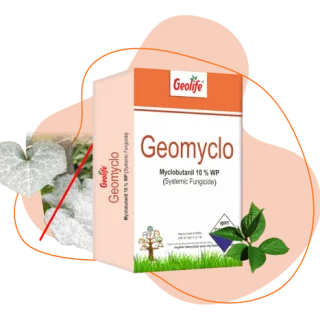
Geomyclo
Geolife Authorised Dealer - Sri Channaveer Agro Agencies-Nehru Guni · Kalaburagi, Karnataka
Price on requestGet best price - Fungicide
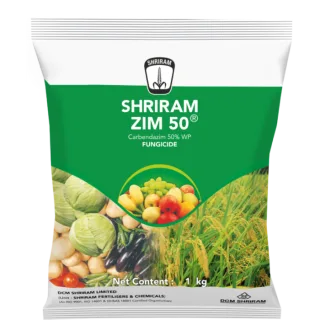
Shriram Zim 50
Shriram Farm Solutions - Bharat Agriculture Seed & Fertilizer Store in Aligarh · Aligarh, Uttar Pradesh
Price on requestGet best price - Fungicide
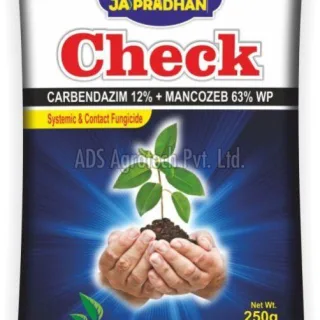
Check Granules Carbendazim Fungicide Get Best Price
ADS Agrotech Pvt. Ltd. · Ghaziabad, Uttar Pradesh
Price on requestGet best price - Price on requestGet best price
- Price on requestGet best price
- Fungicide
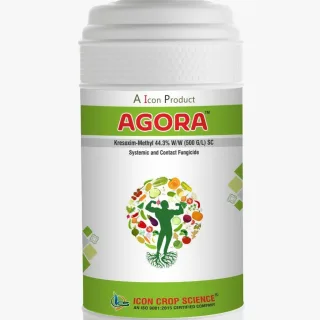
AGORA
TYRONE AGROCHEMICALS PVT LTD - Agriculture Pesticide Manufacturers - Fungicides - Herbicides Manufacturer in India · Rajkot, Gujarat
Price on requestGet best price - Price on requestGet best price


Fungicides are crop protection inputs used to manage fungal diseases that affect leaves, stems, roots, flowers, fruits, and grains. Fungal infections can reduce photosynthesis, weaken plant growth, damage marketable produce, and lower crop yield when not controlled at the right stage. Farmers use fungicides as part of an integrated disease management plan to protect crops from disease spread and support healthier crop development.
On Farm Associate, buyers can explore fungicide options suitable for vegetables, fruits, cereals, pulses, oilseeds, plantation crops, nursery crops, and protected cultivation systems worldwide. Farmers, distributors, agri-input buyers, and crop protection suppliers can compare fungicide categories, application suitability, formulation types, disease coverage, supplier availability, and enquiry options before making a purchase decision. This category helps connect global farm buyers with suppliers offering crop disease control solutions for practical field use.
Frequently asked questions
What is a fungicide used for?
A fungicide is used to prevent, suppress, or control fungal diseases in crops. It helps protect leaves, stems, roots, flowers, fruits, and grains from disease damage. Farmers use fungicides to manage problems such as leaf spots, blights, mildews, rusts, wilts, rots, and damping-off. Correct timing is important because early disease control helps stop infection from spreading and protects crop growth during sensitive stages.
How does a fungicide work on crops?
A fungicide works by stopping or slowing fungal growth on or inside plant tissues. Some fungicides stay on the plant surface and protect against new infection, while others move within plant parts to suppress disease development. The mode of action depends on the fungicide category and formulation. Farmers should select the right type based on disease stage, crop growth stage, weather condition, and application method.
Which crops need fungicide protection?
Many crops need fungicide protection, including vegetables, fruits, cereals, pulses, oilseeds, plantation crops, nursery crops, and protected cultivation crops. Disease pressure depends on crop type, season, humidity, rainfall, field history, and plant density. Crops with dense canopy or high moisture conditions often face higher fungal disease risk. Farmers should monitor fields regularly and apply fungicides when disease risk or early symptoms appear.
When should farmers apply fungicide?
Farmers should apply fungicide when disease risk is high, early symptoms appear, or the crop reaches a sensitive growth stage. Preventive application is useful when weather conditions favour fungal infection, such as high humidity, cloudy days, frequent rainfall, or prolonged leaf wetness. Curative application should begin early before the disease spreads widely. Always follow recommended timing, dosage, and application interval for the selected fungicide category.
What are the main benefits of using fungicides?
The main benefits of using fungicides are disease control, healthier plant growth, improved crop quality, and better yield protection. Fungicides help reduce leaf damage, fruit rots, grain infection, wilting, and other fungal disease effects. By protecting green leaf area, they support photosynthesis and crop development. A good fungicide program helps farmers maintain crop health from early growth to harvest.
What is the difference between preventive and curative fungicides?
Preventive fungicides protect crops before infection becomes established, while curative fungicides help suppress disease after early infection has started. Preventive products are often used when weather conditions favour disease development. Curative products are used when symptoms are already visible but still manageable. Farmers should not wait until disease is severe because late applications are less effective and crop damage may already be high.
Can fungicides be mixed with other farm inputs?
Fungicides can be mixed with some farm inputs only when compatibility is confirmed. Mixing without proper guidance can cause reduced effectiveness, crop injury, nozzle blockage, or uneven application. Farmers should check label instructions, supplier guidance, water quality, pH, and mixing sequence before tank mixing. A small compatibility test is useful before large-scale application. Safe mixing protects both the crop and the spray equipment.