
Price on request
Get best price
Fruits Seeds
8 products
- Price on requestGet best price
- Price on requestGet best price
- Fruits Seeds
Pomegranate-
Sodhai Ram & Sons | Best Agricultural Seed Store in Varanasi | Best Fertilizer Shop in Varanasi | Best Nursery in Varanasi · Varanasi, Uttar Pradesh
₹50Get best price - Price on requestGet best price
- Price on requestGet best price
- Price on requestGet best price
- Price on requestGet best price
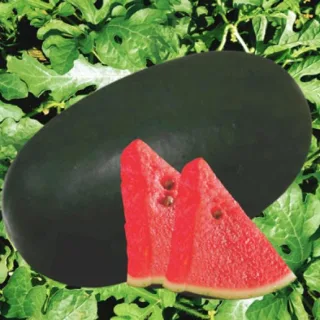
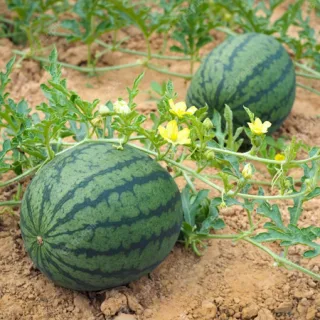
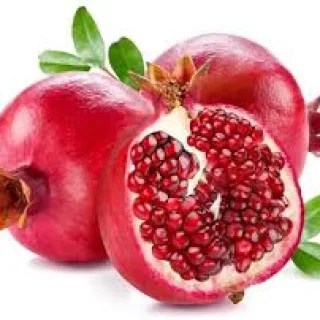
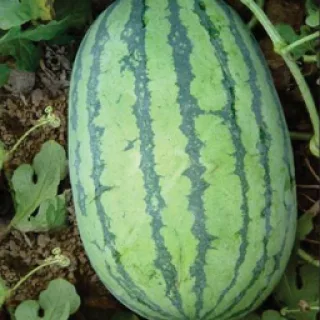
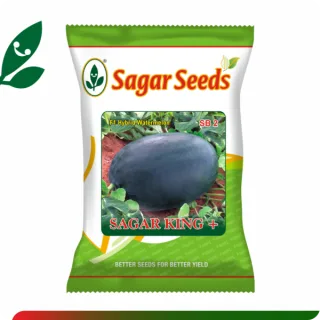
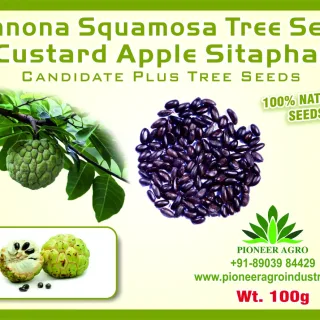
Fruit seeds are agricultural planting inputs used for raising fruit plants, nursery production, orchard development, and fruit crop establishment. They are selected for germination, seed vigor, purity, planting suitability, and long-term crop planning. Strong fruit seed selection helps growers start with healthy seedlings, uniform nursery batches, better transplanting success, and improved crop establishment.
This category helps farmers, nursery operators, growers, dealers, seed distributors, producer groups, crop consultants, and agricultural buyers explore fruit seeds for different planting and production needs. Fruit seeds are used in nursery raising, protected cultivation, orchard development, field planting, fruit crop propagation, and commercial horticulture planning. Buyers compare fruit seeds based on crop category, germination rate, seed purity, treatment status, packaging, storage condition, availability, and supplier reliability.
A clear fruits seeds category page helps users understand what fruit seeds are, why seed quality matters, how they support nursery and orchard production, and how buyers can source suitable options with confidence. The content supports global agricultural sourcing without focusing on any single country or region.
Frequently asked questions
1. What are fruit seeds?
Fruit seeds are selected seeds used to raise fruit-bearing plants for nursery production, orchard planting, field cultivation, and horticulture systems. They are meant for planting and propagation, not for direct food processing. Good fruit seeds are selected for germination, purity, seed vigor, cleanliness, and planting suitability. These qualities help growers produce healthy seedlings and establish fruit crops more successfully. Buyers should choose fruit seeds based on crop requirement, nursery method, planting season, seed quality, and supplier reliability.
2. How are fruit seeds used in farming?
Fruit seeds are used in farming to raise seedlings for orchards, farms, nurseries, protected cultivation, gardens, and commercial fruit production. Growers usually germinate seeds in a controlled nursery environment before transplanting seedlings into larger growing areas. This helps manage early plant care more efficiently and improves planting success. Fruit seeds are also used by nursery businesses, dealers, producer groups, and horticulture projects. The correct seed choice supports uniform nursery batches, stronger seedlings, and better crop establishment.
3. Why is fruit seed quality important?
Fruit seed quality is important because the future fruit plant begins with the seed. Poor-quality seeds lead to weak germination, uneven seedlings, poor root development, nursery losses, and delayed crop establishment. Quality seeds improve uniformity, seedling vigor, and nursery management efficiency. Strong seedlings also perform better after transplanting and help reduce early field gaps. Buyers should check germination rate, purity, storage condition, treatment status, and supplier reliability before sourcing fruit seeds. Good seed quality protects time, space, and input investment.
4. How do farmers choose fruit seeds?
Farmers choose fruit seeds by matching the seed to crop type, growing season, nursery method, soil condition, climate suitability, and production goal. They should also check germination percentage, seed purity, seed vigor, treatment status, seed age, packaging condition, and supplier reliability. For orchard or commercial planting, uniform seedling production is important because uneven plant growth creates long-term field management issues. Buyers should avoid choosing only by price and should compare practical quality details before making an inquiry.
5. What is fruit seed germination rate?
Fruit seed germination rate is the percentage of seeds expected to sprout under suitable growing conditions. It helps growers estimate seed requirement, nursery space, and expected seedling count. A higher germination rate supports better nursery planning, while low germination creates gaps, extra labor, and higher seed cost per usable plant. Germination can decline due to poor storage, old seed, heat, moisture exposure, or seed damage. Buyers should ask for germination information and store seeds properly before sowing.
6. How are fruit seeds different from fruit plants?
Fruit seeds are the starting material used for propagation, while fruit plants are already germinated and developed seedlings or saplings. Seeds require nursery care, germination management, watering, protection, and time before transplanting. Fruit plants are closer to field planting but usually cost more and require transport care. Seeds are useful for growers and nurseries that want to raise planting material in larger numbers. Buyers should choose fruit seeds when they have nursery capacity and choose plants when they need ready planting material.
7. When should fruit seeds be purchased for planting?
Fruit seeds should be purchased before the nursery raising or planting season begins. Early purchase gives growers enough time to check seed quality, prepare nursery beds, arrange trays or containers, plan irrigation, and manage sowing schedules. Last-minute sourcing increases the risk of limited availability, delayed nursery production, and poor selection. Seed purchased early must be stored correctly until sowing. Buyers should confirm quantity, packaging, germination details, delivery timeline, and storage guidance before the planting window starts.