
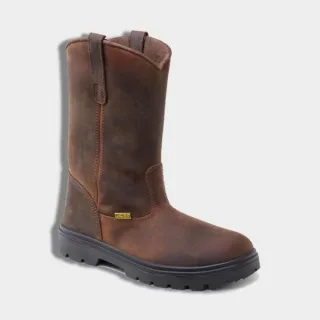
Price on request
Get best price
Farm Safety Shoes
2 products
- Price on requestGet best price
Safety shoes are essential protective footwear used to reduce foot injuries during farm work, field operations, livestock handling, warehouse work, irrigation activities, machinery use, and outdoor agricultural tasks. Workers in agriculture often face rough ground, wet surfaces, sharp objects, heavy tools, slippery areas, mud, uneven pathways, and chemical exposure risks. The right safety shoes protect feet, improve grip, and support safer movement during daily work.
This category helps farmers, farm workers, contractors, greenhouse operators, nursery managers, livestock units, warehouse teams, dealers, and agricultural buyers explore safety footwear for different working conditions. Safety shoes support worker protection in crop fields, packing areas, storage units, irrigation sites, workshops, and farm machinery zones.
Good protective footwear improves comfort, reduces accident risk, and helps workers stay productive during long working hours. Buyers can compare safety shoes by material, sole grip, toe protection, water resistance, puncture resistance, ankle support, comfort, and worksite suitability.
Frequently asked questions
1. What are safety shoes?
Safety shoes are protective footwear designed to reduce foot injuries in work environments. They protect against impact, compression, slips, sharp objects, rough surfaces, wet ground, and other workplace hazards. In agriculture, safety shoes are used in fields, nurseries, livestock areas, warehouses, workshops, and irrigation sites. They provide better grip, support, and durability than regular footwear. Buyers should choose safety shoes according to work conditions, surface type, protection needs, and daily wearing comfort.
2. Why are safety shoes important in farming?
Safety shoes are important in farming because agricultural workers face many foot injury risks during daily work. Fields often contain stones, thorns, tools, wet soil, machinery parts, sharp objects, and slippery paths. Farm workers also handle heavy bags, crates, equipment, and inputs that can fall on the feet. Safety shoes reduce these risks by providing toe protection, grip, puncture resistance, and stable support. Farms should include protective footwear as part of worker safety planning for field and worksite tasks.
3. Which safety shoes are suitable for farm work?
Safety shoes suitable for farm work should match the surface, task, and weather condition. Wet fields need footwear with strong grip and water resistance. Rough fields need durable soles and puncture protection. Storage areas and workshops need toe protection and slip resistance. Long working hours require cushioning, proper fit, and breathable construction. The right choice depends on whether the footwear is used for irrigation, harvesting, livestock work, greenhouse operations, warehouse handling, or machinery-related tasks. Compare features before selecting.
4. How do safety shoes protect workers?
Safety shoes protect workers by creating a strong barrier between the foot and workplace hazards. Reinforced toe areas reduce injury from falling objects and accidental impact. Slip-resistant soles improve grip on wet, muddy, or smooth surfaces. Strong outsoles protect against sharp objects, stones, thorns, and rough terrain. Supportive designs improve balance and reduce fatigue during long working hours. In farm environments, this protection helps workers move safely across fields, storage areas, irrigation sites, and work zones.
5. What features should farm safety shoes have?
Farm safety shoes should have slip-resistant soles, durable upper material, toe protection, comfortable cushioning, secure fit, and suitable protection against rough ground. For wet farms, water resistance and easy cleaning are useful. For fields with stones, nails, crop residue, or thorns, puncture-resistant soles provide better protection. For long working hours, lightweight design and foot support improve comfort. Buyers should also check size availability, material strength, sole grip pattern, and suitability for the intended work environment.
6. Are safety shoes useful in wet fields?
Safety shoes are useful in wet fields because they improve grip, protect feet from mud, and reduce slipping risk. Wet soil, irrigation water, and rain create unstable surfaces that make regular shoes unsafe. Safety footwear designed for wet conditions supports better traction and more confident movement. Water-resistant materials and easy-clean designs are also helpful for farm use. Buyers should choose footwear with strong outsole grip, secure fit, and suitable water protection when working in wet or muddy conditions.
7. What is the difference between safety shoes and regular shoes?
Safety shoes are designed for workplace protection, while regular shoes are mainly designed for general walking or casual use. Safety shoes include protective features such as reinforced toe areas, slip-resistant soles, durable construction, puncture protection, and stronger support. Regular shoes usually do not provide enough protection against falling objects, sharp farm materials, wet surfaces, or heavy work conditions. For farming, warehouses, workshops, and outdoor labor, safety shoes provide better protection and durability. Choose safety footwear when the task involves worksite risk.