
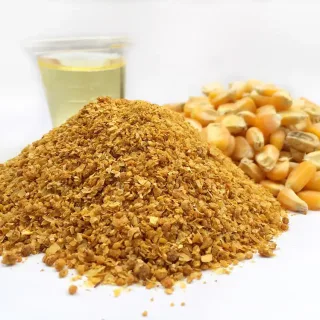
Price on request
Get best price
Dairy Feed Supplements
7 products
- Price on requestGet best price
- Price on requestGet best price
- Dairy Feed Supplements
Multi Grain Chokar
Annkoot Pashu Aahar | Cattle Feed Company · Gorakhpur, Uttar Pradesh
Price on requestGet best price - Dairy Feed Supplements
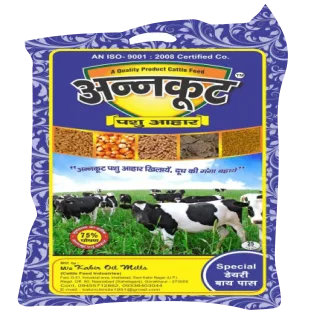
Dairy Bypass Special - High Protein Cattle Feed
Annkoot Pashu Aahar | Cattle Feed Company · Gorakhpur, Uttar Pradesh
Price on requestGet best price - Dairy Feed Supplements
Dairy Special Cattle Feed
Kapila Krishi Udyog Limited · Kanpur, Uttar Pradesh
Price on requestGet best price - Dairy Feed Supplements
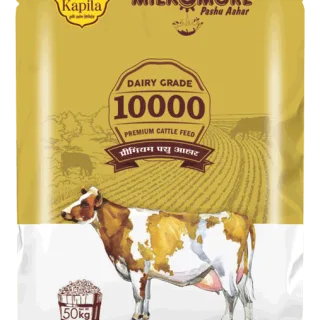
Cattle feed Milkomore 10000
Kapila Krishi Udyog Limited · Kanpur, Uttar Pradesh
Price on requestGet best price
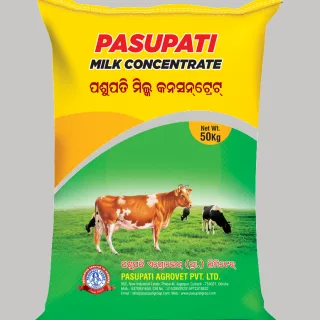
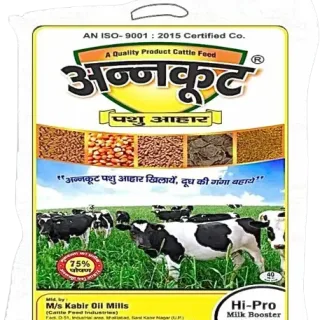

Dairy feed supplements are purpose-built feed ingredients added in small, precise quantities to a dairy cow's daily ration to correct nutritional shortfalls and support specific production goals. Unlike base feed such as silage, hay or grain, supplements are concentrated sources of minerals, vitamins, amino acids and functional compounds that are difficult to supply in adequate amounts through forage alone. Common forms include loose mineral mixes, pelleted premixes, liquid feed additives and mineral blocks, each designed for a different feeding system. Inside the rumen, mineral and vitamin supplements support enzyme activity, immune response and bone and muscle development, while additives such as rumen buffers and live yeast help stabilize rumen pH and improve fiber digestion. Because nutrient requirements shift sharply across the dry period, early lactation and peak milk stages, most dairy operations use more than one supplement formulation throughout a cow's production cycle rather than a single year-round blend.
Frequently asked questions
What are dairy feed supplements?
Dairy feed supplements are concentrated mineral, vitamin and functional feed additives added in measured amounts to a dairy cow's daily ration to correct nutritional gaps that forage and grain cannot fully cover. They typically combine macro-minerals such as calcium, phosphorus and magnesium with trace minerals like zinc, copper and selenium, along with vitamins A, D and E and, in many formulations, rumen-support compounds such as buffers or live yeast. Unlike base feed, supplements are designed to be fed in small, precise quantities matched to a cow's stage of lactation. Compare formulations from suppliers on Farm Associate to find a profile suited to a specific herd's forage analysis and production targets.
How do dairy feed supplements work?
Dairy feed supplements work by supplying nutrients in forms the rumen and digestive tract can absorb efficiently, filling shortfalls that occur when forage and grain alone don't meet a lactating cow's requirements. Minerals and vitamins support enzyme activity, immune defense and bone and tissue maintenance, while functional additives such as rumen buffers stabilize rumen pH so fiber-digesting bacteria can work effectively. Bypass fats and amino acid supplements add concentrated energy and protein that pass through the rumen largely intact, delivering nutrients directly to the small intestine for absorption. Apply supplements consistently as part of the total ration rather than intermittently, since steady intake is what produces measurable improvements in health and milk output.
When should dairy cows be given feed supplements?
Dairy cows benefit most from feed supplements during the periods of highest metabolic demand: the three weeks before calving, the fresh period immediately after calving, and peak lactation in the first 60-100 days. During the dry-to-fresh transition, anionic mineral supplements help cows mobilize calcium correctly and avoid metabolic disorders such as milk fever. In early and peak lactation, energy, protein and trace mineral supplements support the sharp rise in milk synthesis and immune demand. Mid- and late-lactation cows typically need a more moderate maintenance-level supplement. Review a herd's lactation calendar and adjust supplement type and inclusion rate at each stage rather than feeding one formulation year-round.
Which dairy herds benefit most from feed supplements?
Herds on forage-based rations with limited grain or pasture diversity benefit most from feed supplements, since forage alone rarely supplies a complete and balanced mineral and vitamin profile. High-producing dairy cows, fresh and transition cows, and herds in regions with mineral-deficient soils, low in selenium, copper or zinc for example, see the clearest response to targeted supplementation. Growing heifers and dry cows also benefit from supplements formulated for their lower-energy, mineral-focused requirements rather than a lactating-cow blend. A forage and soil mineral analysis is the most reliable way to confirm exactly which gaps a herd needs addressed before selecting a supplement program.
What is the difference between a feed supplement and a feed additive?
A feed supplement is a nutrient source, such as minerals, vitamins, amino acids or energy, added to correct a deficiency in the base ration, while a feed additive is typically included for a functional purpose such as improving rumen stability, palatability or feed preservation rather than supplying core nutrition. Rumen buffers, yeast cultures and mycotoxin binders are commonly classed as additives, whereas mineral mixes, vitamin premixes and protein concentrates are classed as supplements. In practice, many commercial products combine both functions in a single formulation. Check the guaranteed analysis on any product listing to confirm whether it is primarily nutrient-based or functional before matching it to a specific ration gap.
Do dairy feed supplements increase milk yield?
A correctly matched dairy feed supplement typically supports higher and more consistent milk yield by closing mineral, vitamin or energy gaps that otherwise limit production, with many herds reporting measurable gains in milk volume or milk components such as butterfat and protein within several weeks of consistent feeding. The size of the response depends on how large the original deficiency was, since herds with significant mineral or energy shortfalls see larger gains than herds already on a well-balanced ration. Supplements aimed at rumen stability and transition cow health tend to show their biggest impact through fewer health setbacks rather than yield alone. Run a forage test first so the supplement addresses an actual gap rather than guessing.
Can dairy feed supplements be mixed with other feed ingredients?
Most dairy feed supplements are designed to be mixed directly into a total mixed ration, concentrate feed or top-dressed onto forage, and combining a mineral or vitamin supplement with grain, silage and protein sources is standard practice on dairy farms. Care is needed when combining multiple supplement products at once, since overlapping mineral sources can push certain elements such as calcium, phosphorus or selenium above safe inclusion rates. Always check the combined guaranteed analysis of all feed components against the herd's total nutrient requirement rather than adding supplements individually without recalculating the full ration. A nutritionist or the supplier's technical documentation can confirm safe combined inclusion rates before introducing a new product.