
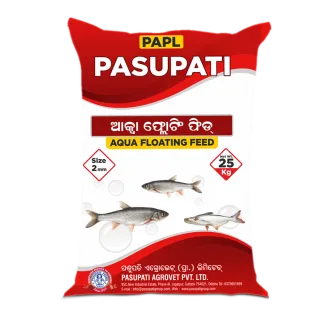
Price on request
Get best price
Aqua Feed Supplements
3 products
- Price on requestGet best price
- Aqua Feed Supplements
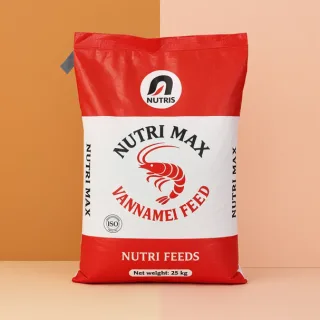
4 SIZE 32 PROTEIN VANNEMI SHRIMP AND PRAWN FEED 25 KG
Perfect Aqua Feeds India Private limited · Vijayawada, Andhra Pradesh
Price on requestGet best price
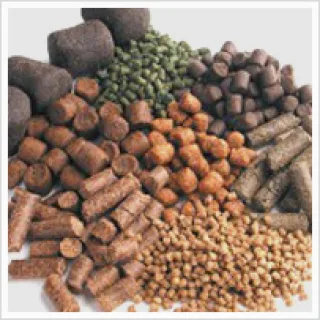
Aqua feed supplements are additives and functional ingredients incorporated into or applied alongside the base feed to improve the nutrition, health, and performance of farmed fish, shrimp, and other aquatic species. They do not replace the base diet — instead, they enhance it by supplying specific nutrients, beneficial organisms, or functional compounds that support growth, immunity, gut health, and stress tolerance. The category spans several major product types. Probiotics are live beneficial microorganisms that colonise the gut and pond or tank environment, improving digestion, nutrient absorption, and disease resistance while helping suppress pathogenic bacteria. Mineral and vitamin premixes supply the essential trace minerals (such as zinc, iron, manganese, and selenium) and vitamins (such as C, E, and the B group) that are critical for growth, skeletal development, immune function, and reproduction but may be insufficient in the base feed. Enzyme supplements improve the digestibility of feed ingredients, helping the animal extract more nutrition from each unit of feed and improving the feed conversion ratio. Immune boosters and immunostimulants strengthen the animal's natural defence system, improving resilience to bacterial, viral, and parasitic challenges. Organic acids and acidifiers inhibit pathogenic bacteria in the gut and in the feed itself, improving feed hygiene and gut health. Growth promoters and liver tonics support metabolic efficiency and organ health during intensive production.
Frequently asked questions
What are aqua feed supplements?
Aqua feed supplements are nutritional and functional additives incorporated into or applied alongside the base feed to improve the health, growth, and performance of farmed fish, shrimp, and other aquatic species. They do not replace the base diet but enhance it with specific nutrients, beneficial organisms, or functional compounds. Major types include probiotics for gut health and immunity, mineral and vitamin premixes for essential trace nutrients, enzyme supplements for improved feed digestibility, immune boosters for disease resistance, organic acids for gut and feed hygiene, and growth promoters. Feed supplements are a standard input in modern aquaculture, helping farmers improve survival, growth rate, and feed conversion efficiency.
Why are feed supplements important in aquaculture?
Feed supplements are important because intensive aquaculture places high demands on animal health, immunity, and nutrition that a standard base feed alone may not fully meet. Stocking densities, environmental stress, and disease pressure in modern fish and shrimp farming require supplemental support to maintain gut health, strengthen immune defences, and ensure complete nutrition. Supplements improve survival by reducing disease-related mortality, increase profitability by improving the feed conversion ratio, support antibiotic-free production, and help maintain water quality. In competitive, cost-sensitive aquaculture, the relatively small cost of an effective supplement programme is often repaid many times over through lower mortality and better growth.
What are probiotics used for in fish farming?
Probiotics in fish farming are live beneficial microorganisms added to the feed or the water to improve the gut health, digestion, and disease resistance of farmed fish. In the gut, probiotics help establish a healthy microbial balance that improves nutrient absorption, suppresses pathogenic bacteria, and strengthens the immune response. When applied to the water, probiotics promote beneficial microbial communities that help break down organic waste, reduce ammonia and nitrite levels, and improve overall water quality. This combination of better gut health, stronger immunity, and improved water quality makes probiotics one of the most widely used and effective aqua feed supplements, particularly as the industry moves toward antibiotic-reduced production.
Do feed supplements improve fish growth rate?
Yes, feed supplements can improve fish and shrimp growth rate through several mechanisms. Enzyme supplements improve the digestibility of feed ingredients, helping animals extract more nutrition from each unit of feed. Mineral and vitamin premixes correct deficiencies that would otherwise limit growth. Probiotics improve gut health and nutrient absorption, and immune boosters reduce the energy the animal diverts to fighting disease, leaving more for growth. The combined effect is often a measurable improvement in daily weight gain and, importantly, in the feed conversion ratio — the amount of feed needed per kilogram of body weight produced — which directly reduces feed cost and increases profitability per harvest cycle
What is FCR and why does it matter in aquaculture?
FCR stands for feed conversion ratio — the amount of feed consumed per unit of body weight gained. A lower FCR means the animal converts feed into body weight more efficiently, which directly reduces feed cost, the largest expense in most aquaculture operations. For example, improving FCR from 1.8 to 1.5 means the farm needs significantly less feed to produce the same harvest weight, a substantial saving at scale. Feed supplements such as enzymes, probiotics, and organic acids help improve FCR by enhancing digestibility, nutrient absorption, and gut health. Tracking and improving FCR is one of the most important management targets in profitable aquaculture.
How do feed supplements help reduce mortality in fish farming?
Feed supplements reduce mortality primarily by strengthening the animal's natural defences and maintaining a healthier internal and external environment. Probiotics and immune boosters improve gut health and immune function, making fish and shrimp more resistant to bacterial, viral, and parasitic disease challenges. Organic acids inhibit pathogenic bacteria in the gut and feed, reducing the microbial load. Mineral and vitamin supplements correct nutritional deficiencies that can weaken the animal's resilience. Some probiotics also improve water quality by promoting beneficial bacteria that reduce ammonia and nitrite, which are toxic to aquatic species. Together, these effects lower disease incidence and improve survival rates, which is one of the highest-impact benefits of a well-designed supplement programme.
What supplements do shrimp need?
Shrimp farming typically benefits from several key feed supplements. Probiotics are widely used to support gut health, immunity, and pond water quality — particularly critical in the high-density pond systems common in shrimp aquaculture. Mineral premixes supplying calcium, phosphorus, and trace minerals support shell formation, moulting, and overall growth. Immune boosters and immunostimulants help shrimp resist the viral and bacterial diseases that cause major crop losses. Organic acids improve gut hygiene and feed stability. Enzyme supplements enhance feed digestibility and improve FCR. For hatchery and larval stages, specialised early-nutrition and immune-support supplements are important for survival and strong early growth. The right combination depends on the species, production stage, and local disease pressure.