

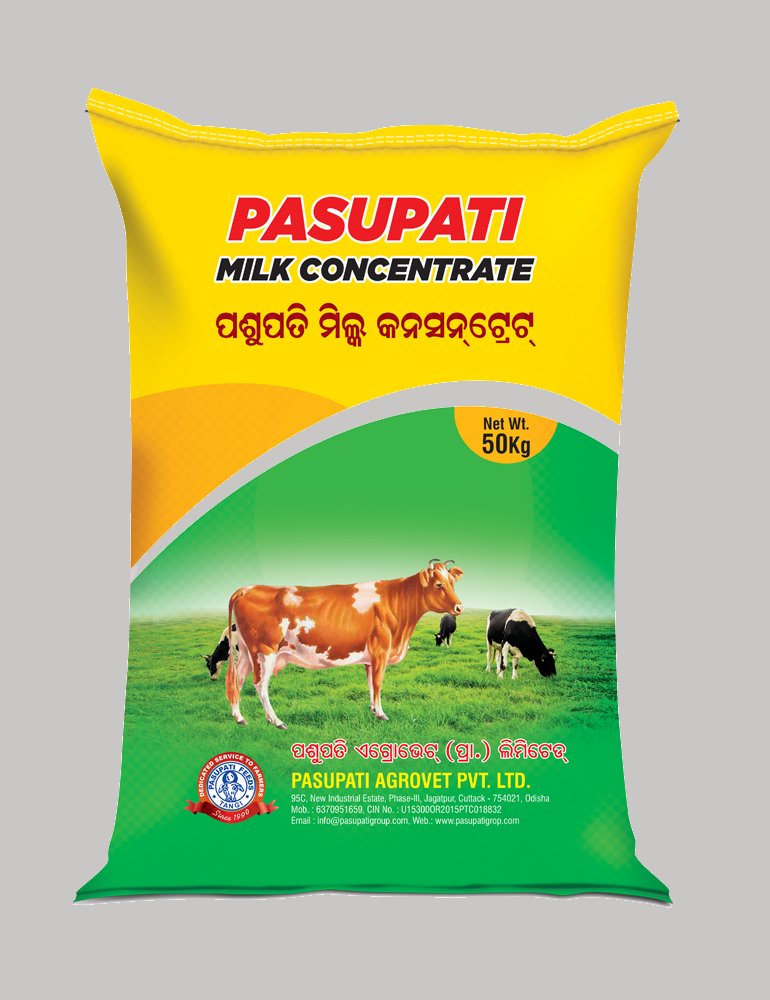


Animal feed refers to any nutritional product formulated and supplied to livestock, poultry, or farmed aquatic species to meet their dietary needs for growth, maintenance, and production. Feed types generally fall into several broad categories: complete feeds that provide balanced nutrition on their own, concentrates that supplement forage with additional protein or energy, forage and silage products that supply fiber and bulk, and specialty additives such as mineral supplements, probiotics, or performance enhancers. Feed formulations are typically built around the specific nutrient requirements of a given species and production stage, balancing protein, energy, fiber, vitamins, and minerals according to whether the animal is growing, lactating, breeding, or being finished for market. Feed is commonly supplied in pelleted, mash, crumble, or liquid forms, with the choice of form often influenced by the species, feeding equipment, and storage conditions on the farm.
Animal Feed: Nutrition Solutions for Livestock Health and Growth
Frequently Asked Questions
Animal feed is typically formulated from a combination of grains, protein sources, fiber sources, and added vitamins or minerals, with the exact mix depending on the target species and production stage. Common base ingredients include cereal grains, oilseed meals, forage or silage, and by-products from food and grain processing, supplemented with mineral premixes and sometimes additives such as probiotics. Complete feeds are formulated to meet all of an animal's nutritional needs on their own, while concentrates are designed to supplement forage already available to the animal. Compare the guaranteed analysis listed on a feed product to understand its specific protein, fat, fiber, and mineral content before purchase.
Daily feed requirements vary significantly by species, body weight, production stage, and environmental conditions, so there is no single universal amount. Growing, lactating, or breeding animals generally require more feed relative to body weight than animals in a maintenance phase. Feed intake guidelines are typically provided as a percentage of body weight or as a daily weight range specific to species and stage, and these figures are usually available from feed suppliers or agricultural extension resources. Monitoring body condition and adjusting intake based on observed performance is generally more reliable than following a fixed amount without review.
Pelleted feed is mash that has been compressed into uniform pieces, which generally reduces ingredient separation, dust, and feed waste compared to loose mash. Mash feed remains in its original loose, granular form and can be more prone to selective feeding, where animals eat preferred particles and leave others behind, potentially creating nutritional imbalances. Pelleting can also improve feed conversion efficiency in some species by making nutrients more accessible during digestion. The right choice often depends on the species being fed, available feeding equipment, and storage conditions on the farm.
Some animal feed products are certified for use in organic livestock operations, typically requiring ingredients sourced without synthetic pesticides, prohibited additives, or genetically modified inputs, depending on the applicable certification standard. Organic-certified feed formulations are generally documented with sourcing and ingredient information that can be verified against the relevant regional organic standard. Certification requirements vary by region and certifying body, so producers should confirm a specific feed product's organic status directly with the supplier before purchase. Always request certification documentation when sourcing feed intended for a certified organic operation.
Different feed products can often be combined, particularly when blending a concentrate with forage or mixing a base feed with a mineral supplement, but compatibility depends on the specific formulations involved. Combining two complete feeds is generally unnecessary and can create nutrient imbalances if not carefully calculated. When introducing a new feed or supplement, gradual transition over several days typically reduces digestive upset compared to an abrupt change. Review supplier documentation or consult a livestock nutrition resource before combining unfamiliar feed products at scale.
Feed quality has a direct and measurable effect on weight gain, since the protein, energy, and mineral content of a feed determine how efficiently an animal converts feed intake into body weight. Higher-quality, well-balanced formulations generally support more consistent and predictable weight gain compared to inconsistent or poorly matched feed. Feed conversion ratio, which measures how much feed is required per unit of weight gained, is commonly used to evaluate feed performance across different formulations. Reviewing documented nutrient analysis and feed conversion data from a supplier can help estimate expected performance before committing to a bulk order.
Animal feed should be stored in a dry, well-ventilated area protected from moisture, pests, and direct sunlight, since heat and humidity can accelerate spoilage and reduce nutrient potency over time. Feed should be kept off the ground on pallets or in sealed containers to reduce pest access and moisture absorption from flooring. Rotating stock so older feed is used before newer deliveries helps avoid feeding animals nutritionally degraded product. Feeding equipment and storage containers should be cleaned periodically to prevent mold or bacterial buildup, particularly in humid climates or wet feeding systems.