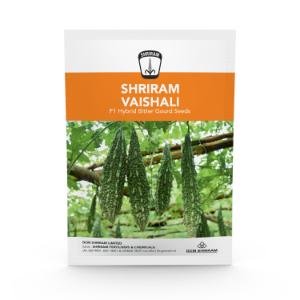
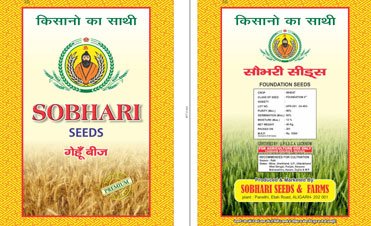


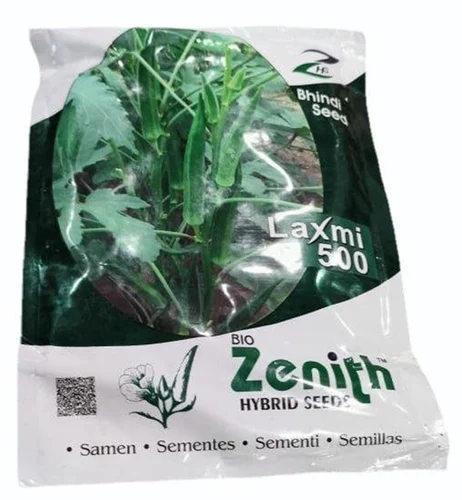
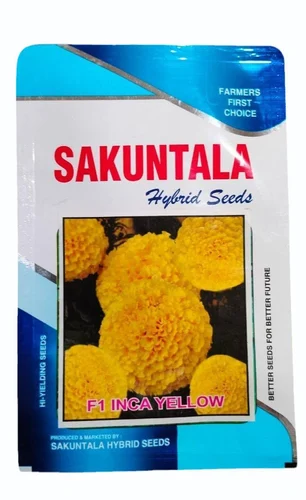
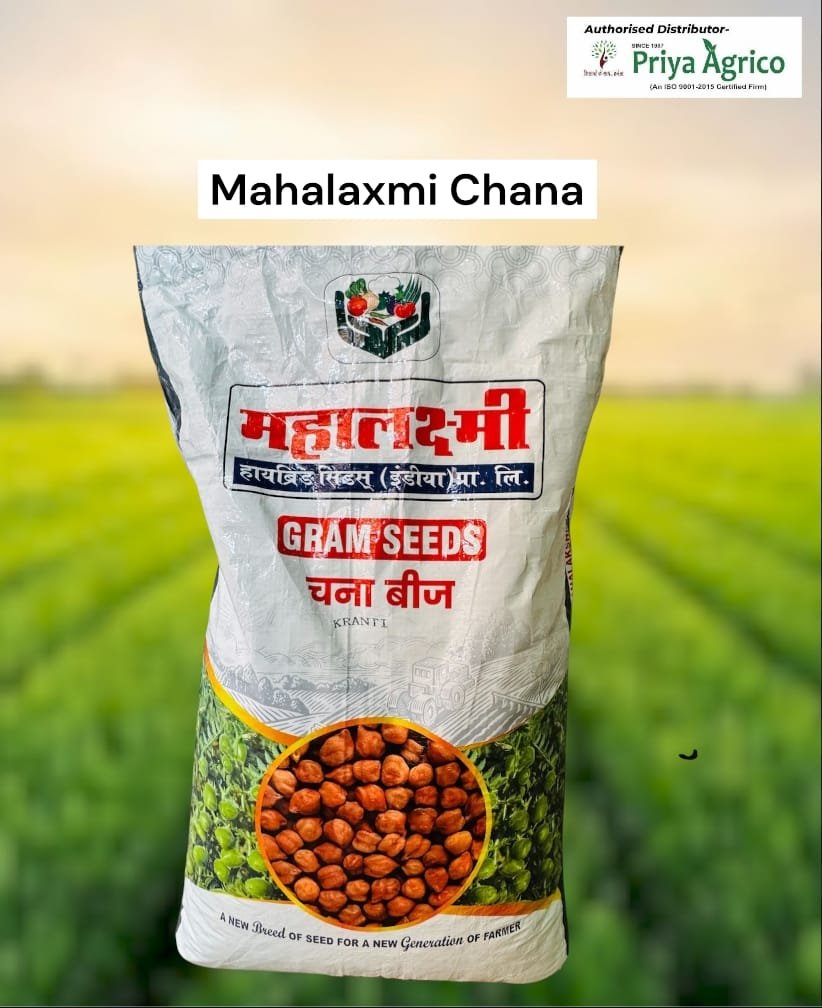
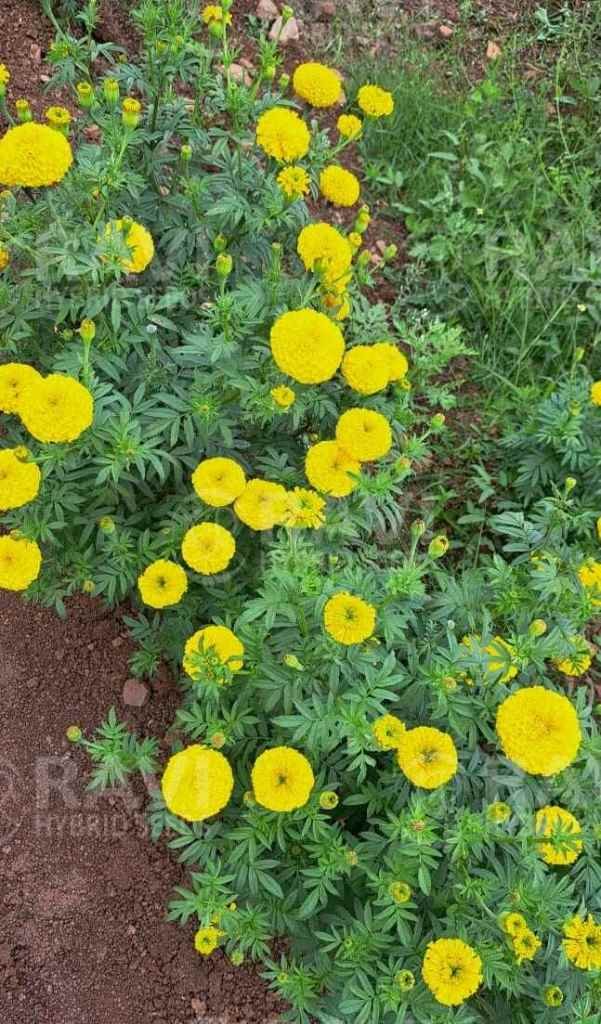
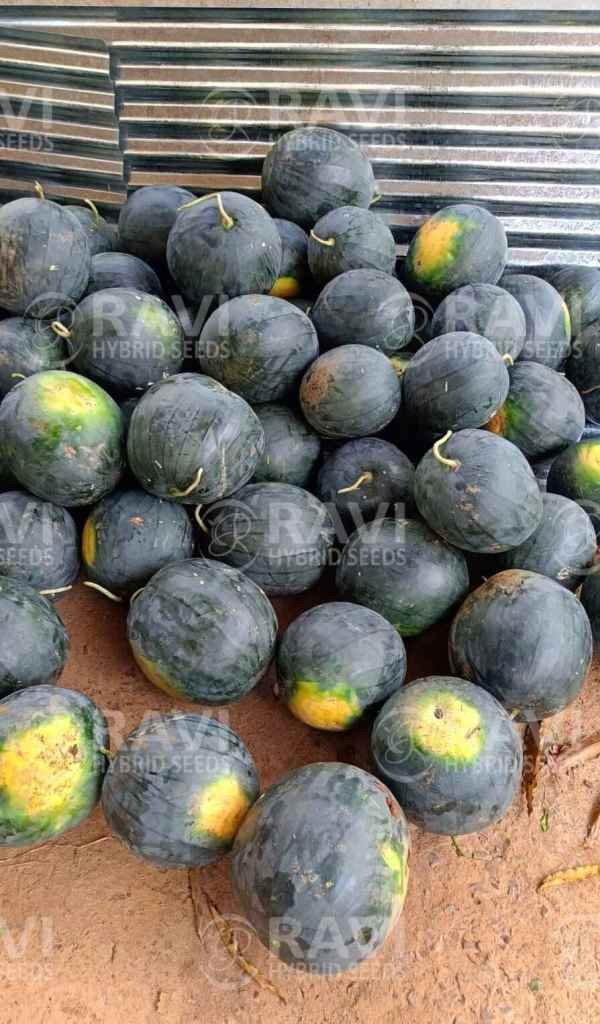
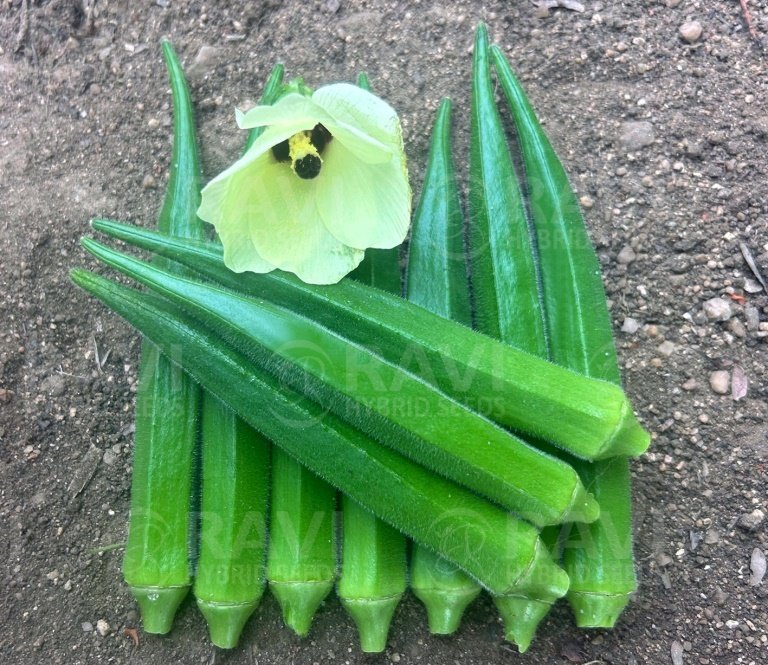

A quality seed is far more than a viable grain — it is a carefully produced input defined by several measurable characteristics that directly determine field performance. The first is genetic purity: a quality seed is true to its variety, carrying the specific traits — yield potential, disease resistance, maturity period, and produce characteristics — that the farmer is paying for. The second is germination rate, the percentage of seeds that successfully sprout under suitable conditions; a high germination rate ensures a strong, even plant stand and avoids the cost and yield penalty of gaps and replanting. The third is physical purity, meaning the seed lot is free from weed seeds, other crop seeds, soil, and inert matter that would otherwise introduce contamination and competition into the field. The fourth is vigour, the seed's ability to germinate quickly and establish strongly even under less-than-ideal field conditions. Seeds are generally classified by type: hybrid seeds, bred by crossing two parent lines for superior vigour and yield; open-pollinated and conventional varieties that can be saved and replanted; certified seeds that have passed official quality testing for purity and germination; and treated seeds coated with protectants against early-stage pests and diseases. Understanding these characteristics is the key to selecting seed that performs.
Agricultural Seeds & Crop Seeds
Frequently Asked Questions
Hybrid seeds are produced by deliberately cross-pollinating two genetically different parent plant lines to combine their best traits in the offspring. The resulting first-generation (F1) hybrid typically shows superior vigour, higher yield, better uniformity, and improved disease resistance compared with either parent — a phenomenon known as hybrid vigour. Hybrid seeds are widely used in commercial agriculture for crops such as maize, vegetables, cotton, and sunflower, where maximum productivity and uniformity are priorities. The main trade-off is that seed saved from hybrid plants does not breed true in the next generation, so farmers need to purchase fresh hybrid seed each season to maintain performance.
Hybrid seeds are created by crossing two distinct parent lines, producing offspring with superior vigour, yield, and uniformity — but seed saved from hybrids does not reliably reproduce the same traits, so new seed must be bought each season. Open-pollinated seeds are pollinated naturally and breed true to type, meaning farmers can save seed from their harvest and replant it with consistent results year after year. Hybrids generally deliver higher yields and uniformity, making them popular for commercial production, while open-pollinated varieties cost less, support seed saving, and often suit smallholder and organic systems. The right choice depends on your yield goals, budget, and whether you intend to save seed.
Certified seeds are seeds that have been produced under a controlled, inspected process and have passed official quality testing to verify their genetic purity, physical purity, and germination rate. Certification is carried out by recognised seed certification authorities and provides farmers with documented assurance that the seed is true to variety, free from contamination, and meets minimum germination standards. Buying certified seed reduces the risk of planting low-quality, mislabelled, or contaminated seed, which can lead to poor stands, reduced yield, and the introduction of weeds or disease. Certified seed is particularly important for high-value crops, large plantings, and any situation where consistent, predictable performance is essential.
Seed germination rate is the percentage of seeds in a lot that successfully sprout and produce a normal seedling under suitable conditions. It is one of the most important indicators of seed quality, because it directly determines how full and even your plant stand will be. A high germination rate — typically 85% or above for quality certified seed — ensures that most of the seed you plant establishes successfully, giving a uniform stand and full use of your land. Low germination leads to gaps, uneven crops, and the cost of replanting. Germination rate is tested under controlled conditions and is usually stated on the seed label, helping farmers calculate the correct seeding rate.
Treated seeds are seeds that have been coated or dressed with protective substances — such as fungicides, insecticides, or biological agents — before sale, to protect the seed and emerging seedling from early-stage soil-borne pests and diseases. The treatment safeguards the crop during the vulnerable germination and establishment phase, when young plants are most susceptible to damping-off, seed rots, and soil insects. Treated seed can improve emergence, stand establishment, and early vigour, particularly in cool, wet, or high-disease-pressure conditions. Treated seeds are usually coloured to clearly distinguish them from untreated seed and to indicate they are not for food or feed use. Always follow handling guidance provided with treated seed.
Quality seed is one of the most cost-effective ways to increase crop yield, because the seed sets the genetic ceiling that all other inputs work toward. Improved and hybrid varieties are bred specifically for higher yield potential, and certified seed with high germination ensures that potential is achieved through a full, even plant stand. Studies consistently show that switching from saved or low-quality seed to quality certified or improved varieties can increase yields significantly, often by 15–30% or more, depending on the crop and conditions. Quality seed also delivers better disease resistance and uniformity, which protect yield and reduce production costs across the season.
It is not advisable to save and replant seed from hybrid plants. Hybrid seeds are the first-generation (F1) cross of two parent lines, and while that first generation shows superior vigour and yield, seed saved from hybrid plants segregates in the next generation — meaning the offspring will be highly variable and will not reliably reproduce the parent hybrid's traits. The result is uneven crops with unpredictable yield and quality. To maintain consistent hybrid performance, farmers need to purchase fresh hybrid seed each season. If seed saving is important to you, open-pollinated and conventional varieties are the better choice, as these breed true and can be replanted with consistent results.